FREEHealthy 30-Minute Meals
(Instant Download)
Sign Up for instant access to your free cookbook plus our most popular quick and healthy recipes!
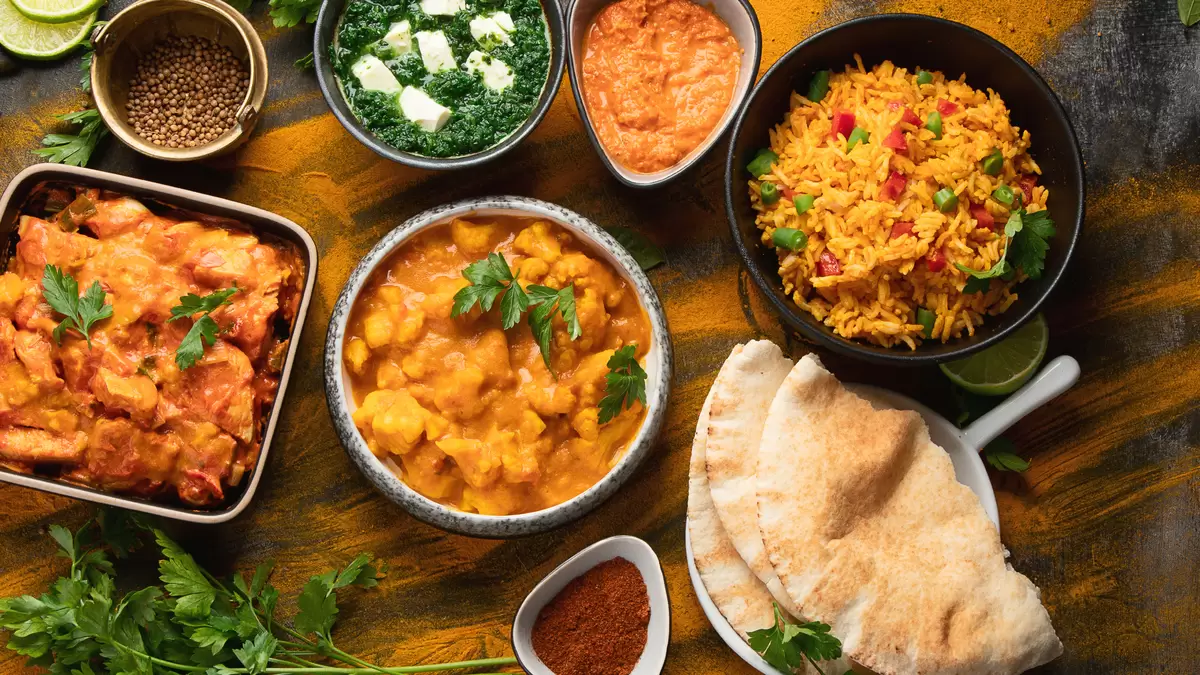
Walk past an Indian restaurant and you’ll probably smell it before you even see it. Warm spices like cumin, garlic, ginger, and turmeric fill the air, and dishes arrive at the table full of color and flavor. From lentil stews and vegetable curries to grilled meats and fragrant rice, Indian cuisine has a lot going for it, but many people still ask themselves, “Is Indian food good for you?”
This cuisine can definitely be a healthy choice, but as with all other cuisines, it depends on what you’re eating. Traditional Indian cooking includes many nutrient-rich foods like vegetables, beans, lentils, herbs, and spices. At the same time, some dishes, especially restaurant versions, can contain a lot of fat, sodium, and calories. It really depends on the ingredients and how the food is prepared.
Here’s some information from the Health eCooks dietitians about how healthy Indian food is and what makes some dishes better choices than others.
In many cases, Indian food is healthy, particularly when meals focus on whole ingredients and traditional recipes.
A typical Indian meal might include:
These foods provide fiber, vitamins, minerals, and antioxidants that support overall health. Health experts often point out that diets rich in legumes, vegetables, and spices, like those used in traditional Indian cooking, can support heart health, digestion, and blood sugar control.
Several features of Indian cuisine contribute to its nutritional benefits, including:
Of course, not every Indian dish is a light option. Some Indian favorites, especially when prepared at restaurants, are higher in calories, saturated fat, or sodium because they use large amounts of ghee, butter, oil, or salt. These ingredients add flavor but can also make dishes less healthy.
Dishes that tend to be richer include:
These foods can still be enjoyed from time to time, but they’re usually best treated as occasional indulgences rather than everyday meals.
Here are some healthy versions of popular Indian dishes, from the Health eCooks Test Kitchen.

This heart-healthy chicken features the bold flavors of traditional Indian cooking. The chicken is marinated in a blend of yogurt and spices, which helps keep it tender while adding layers of flavor. Grilling or roasting the chicken creates a slightly smoky taste that pairs well with vegetables or whole grains for a balanced meal.
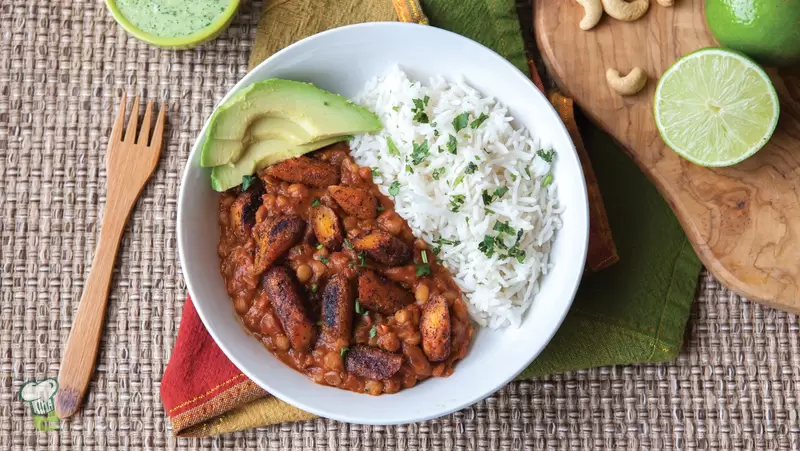
This curry bowl is a nourishing plant-based meal packed with fiber and plant protein. Red lentils cook quickly and create a creamy texture while carrots add natural sweetness and extra nutrients. Warm spices give the dish classic Indian flavor, making it a comforting option that’s satisfying and heart healthy.
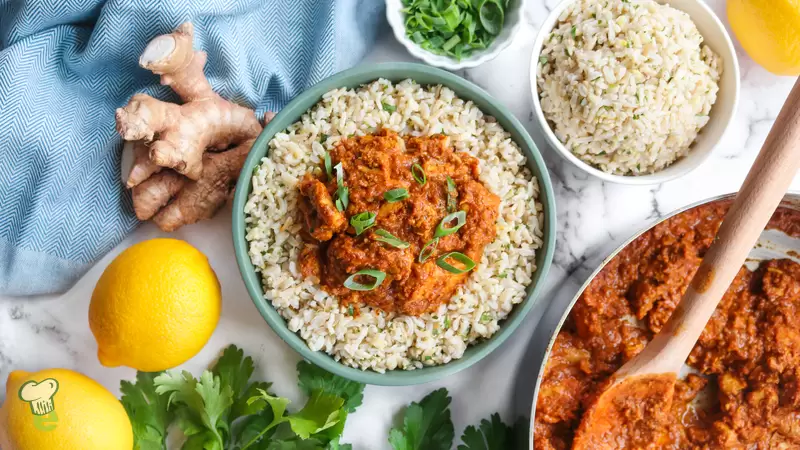
This lighter take on butter chicken delivers the familiar creamy flavor of the classic dish while keeping saturated fat in check. Tender chicken simmers in a rich tomato-based sauce with traditional spices that add warmth and depth. The result is a comforting Indian-inspired meal that tastes indulgent while still being healthy.
If you enjoy Indian food, here are a few easy ways to keep meals healthier:
Here are answers to some questions you may have about how healthy Indian food is:
Is Indian food good for weight loss?
Indian food can help you manage your weight, as long as you pay attention to portion sizes. Many Indian dishes are naturally high in fiber and protein, which help you feel full. Lentil-based dishes, vegetable curries, and grilled proteins like tandoori chicken are good options.
Is Indian food good for your heart?
Meals that feature beans, lentils, vegetables, and spices are often heart friendly. As long as you limit creamy sauces and fried foods, and keep sodium in check, you’ll find that Indian food can be very heart healthy.
What are the healthiest Indian dishes?
Some healthier Indian dishes include dal (lentil stew), chana masala, rajma (kidney bean curry), tandoori chicken, and vegetable sabzi. These meals typically offer a good mix of protein, fiber, and nutrients.
Is any Indian food unhealthy?
Most traditional Indian meals include wholesome ingredients, but there are some that contain a lot of butter, ghee, or oil, especially those that are fried. Watch out for added sodium, too, which is most commonly found in restaurant dishes and convenience meals.
Is Indian food always spicy?
While Indian cuisine uses many spices, that doesn’t necessarily mean they’re spicy. Many dishes rely more on aromatic spices than on ones that increase the heat, like chili peppers.
For the most part, Indian food is a healthy option. Traditional Indian cuisine is built around nutritious ingredients like legumes, vegetables, whole grains, and spices. These foods can support heart health, digestion, and overall wellness. But like any cuisine, there are options that are healthier than others so choose foods that benefit your health and watch portion sizes.

(Instant Download)
Sign Up for instant access to your free cookbook plus our most popular quick and healthy recipes!