FREEHealthy 30-Minute Meals
(Instant Download)
Sign Up for instant access to your free cookbook plus our most popular quick and healthy recipes!
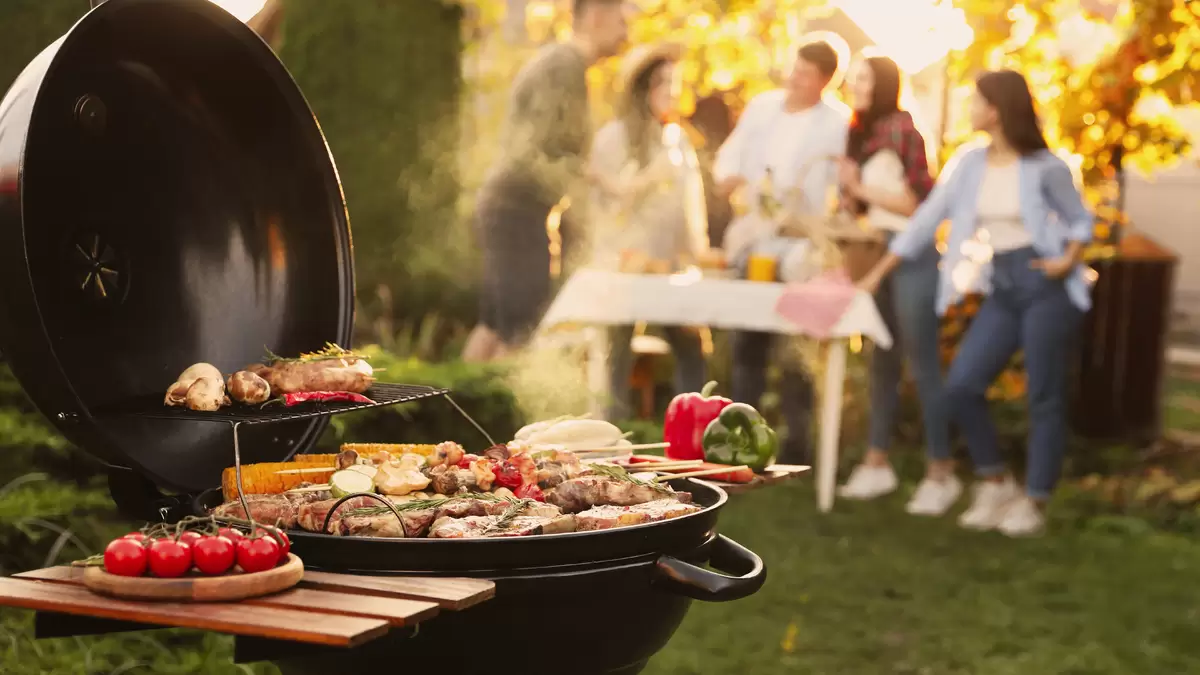
When the weather warms up, it’s hard to beat a good backyard cookout. From burgers on the grill to cold salads on the table, summer meals are all about relaxing and enjoying time with friends and family. But heat and sunshine can also make it easier for harmful bacteria to grow, which raises your risk of foodborne illness.
Here are a few simple outdoor food safety tips that can keep your summer cookouts fun, delicious and worry-free.
Wash Up Before You Start
One of the easiest ways to protect your food is to start with clean hands and surfaces. Before you prep or cook anything, wash your hands with soap and water for at least 20 seconds. This is especially important after handling raw meat, poultry, or seafood.
Make sure your tools are clean too. Use fresh plates, utensils, and cutting boards, and avoid reusing anything that touched raw meat unless it has been washed well. If you’re cooking outside, it helps to bring extras so you’re not stuck reusing items.
Keep Picnic Foods Cold
Cold dishes like potato salad, pasta salad, and dips are popular at summer gatherings, but they can spoil quickly in the heat. To keep food safe, store these items in the fridge until you’re ready to serve them. If you’re heading to a park or hosting outdoors, use a cooler packed with ice or frozen packs. Try to limit how often you open the cooler so the temperature stays low.
Don’t leave perishable foods sitting out for more than two hours. If it’s really hot outside, like above 90°F, that time drops to one hour.
Use a Thermometer When Grilling
Grilling is a summer staple, but it’s not always easy to tell when food is fully cooked just by looking at it. The safest way to check is by using a food thermometer. Here are a few key temperature guidelines to follow:
Insert the thermometer into the thickest part of the meat for the most accurate reading.
Avoid Cross-Contamination
One of the biggest risks at any cookout is cross-contamination. This happens when bacteria from raw foods spread to foods that are ready to eat. To prevent this, keep raw meat separate from fruits, vegetables, and other prepared items. Store it in sealed containers and place it at the bottom of your cooler so juices don’t drip onto other foods.
If you’re prepping ingredients, use separate cutting boards and utensils for raw meat and everything else. If you can’t, be sure to wash everything well with hot, soapy water before switching tasks.
Handle Leftovers the Right Way
Once the meal is over, it’s important to deal with leftovers quickly. Don’t let food sit out for long after everyone is done eating. Place leftovers in the refrigerator as soon as possible. If you have large portions, divide them into smaller containers so they cool faster.
Most leftovers are best eaten within three to four days. When you reheat them, make sure they’re heated all the way through before serving.
(Instant Download)
Sign Up for instant access to your free cookbook plus our most popular quick and healthy recipes!