FREEHealthy 30-Minute Meals
(Instant Download)
Sign Up for instant access to your free cookbook plus our most popular quick and healthy recipes!
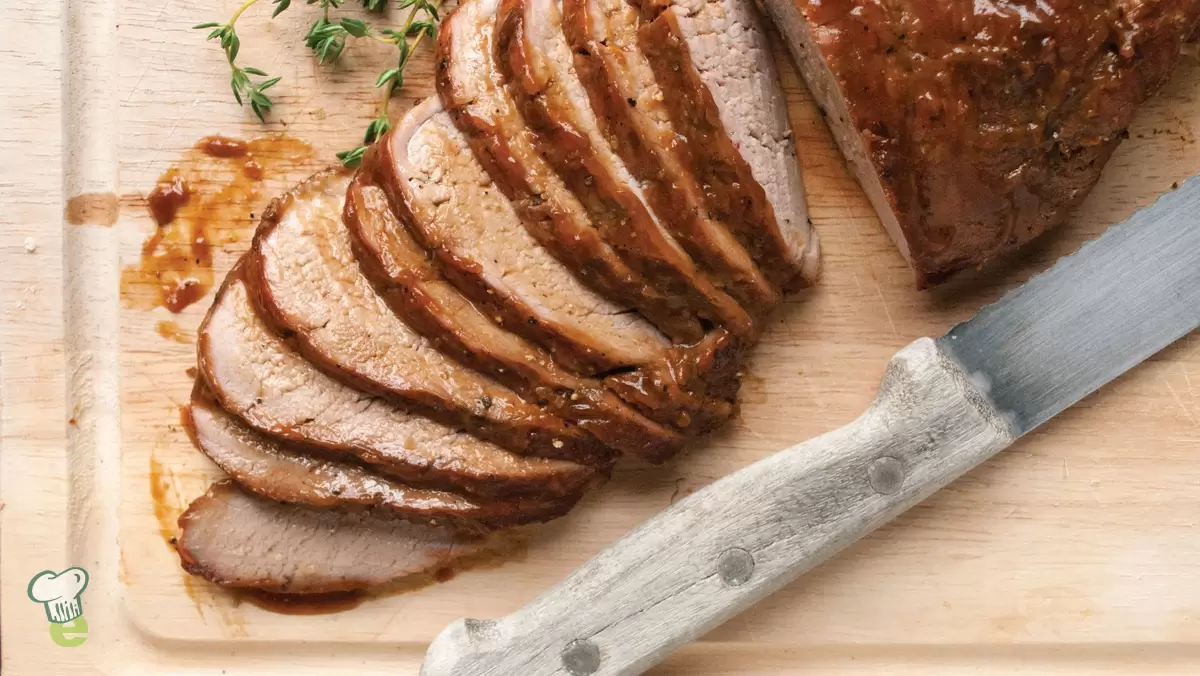
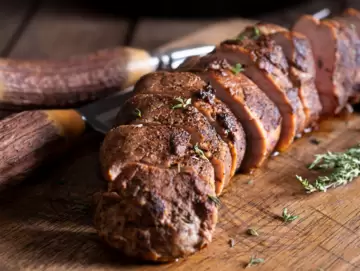
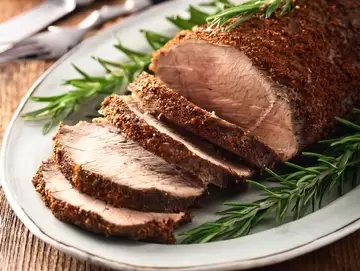
If you think pork is always dry or unhealthy, this Heart Healthy Maple Glazed Pork Loin Roast is here to change your mind. It delivers succulent flavor you won’t forget, thanks to a savory-sweet marinade of maple syrup, garlic, and teriyaki. By using a lean center-cut pork loin, this recipe keeps saturated fat low—making it a perfect dinner for heart-healthy, diabetic, and GLP-1 meal plans. Best of all, it’s naturally gluten-free and packed with 25g of protein per serving.
This recipe transforms a classic comfort food into a nutritional powerhouse. By choosing a lean center-cut loin and using a homemade low-sodium glaze, you get a high-protein, low-carb meal that fits seamlessly into a heart-smart diet. It’s an excellent option for anyone managing cholesterol or blood sugar without sacrificing taste.
(Instant Download)
Sign Up for instant access to your free cookbook plus our most popular quick and healthy recipes!
Yes. The American Heart Association certifies pork sirloin, tenderloin, and pork loin chops as heart-healthy options due to their low saturated fat content when prepared without heavy breading or frying.
Lean pork is naturally low in sodium, but the cooking method matters. This recipe uses low-sodium tamari and homemade seasoning to keep salt levels in check, making it a better choice for blood pressure management than processed meats.
Pork loin is a wider, thicker roast that is great for slow roasting, while pork tenderloin is a long, thin muscle that cooks very quickly. They are not easily interchangeable in terms of cooking time, so stick to the loin for this recipe.
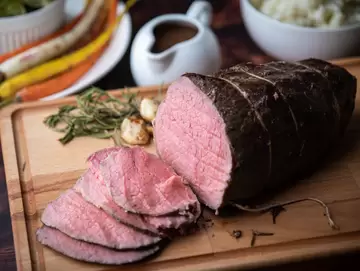
The key is not to overcook it. Use a meat thermometer and pull the roast from the oven when it reaches exactly 145°F. Let it rest for at least 5 minutes; the temperature will rise slightly, and the juices will redistribute.
If you enjoyed this roast, explore more heart-healthy pork recipes that prove you don’t have to sacrifice flavor for a balanced diet. These lean protein options are perfect for keeping your dinner rotation exciting while staying within your nutritional goals.
Complete your meal with these perfect side dishes designed to complement the savory flavors of glazed pork. From roasted vegetables to light salads, these recipes add essential fiber and color to your plate without loading up on extra sodium.
Recipe yields 8 servings
In a bowl, mix together maple syrup, tamari, teriyaki sauce, rice vinegar, garlic, salt and pepper. Pierce the pork all over with a fork, then place in a freezer bag. Pour marinade on top and massage pork roast to coat evenly. Refrigerate for at least 1 hour or overnight.
Preheat oven to 400ºF. Line a baking pan with foil. Lightly coat the foil with nonstick cooking spray. Transfer the pork loin onto the foil. Brush with the marinade and reserve the remaining marinade for later use.
Roast for about 30 to 45 minutes, uncovered, or until a meat thermometer registers 145º. Remove from oven and let stand for 5 minutes.
In a small saucepan, combine the reserved marinade and the cornstarch. Bring to a boil and then reduce to a simmer and simmer for 5 minutes. Remove the glaze from the heat and let it stand for 5 minutes, or until thickened. Brush the glaze over the pork loin.
This roast pairs beautifully with sides that soak up the extra glaze. Try it with mashed potatoes or roasted root vegetables. A crisp green salad with apples or a light vinaigrette also cuts through the savory richness of the pork.
If you don’t have tamari, you can use low-sodium soy sauce or coconut aminos for a similar umami depth.
Honey or agave nectar work well as 1:1 substitutes if you prefer a different sweetener.
Apple cider vinegar or white wine vinegar can be used in place of rice vinegar.
Arrowroot powder is a great gluten-free thickening alternative for the glaze.