FREEHealthy 30-Minute Meals
(Instant Download)
Sign Up for instant access to your free cookbook plus our most popular quick and healthy recipes!
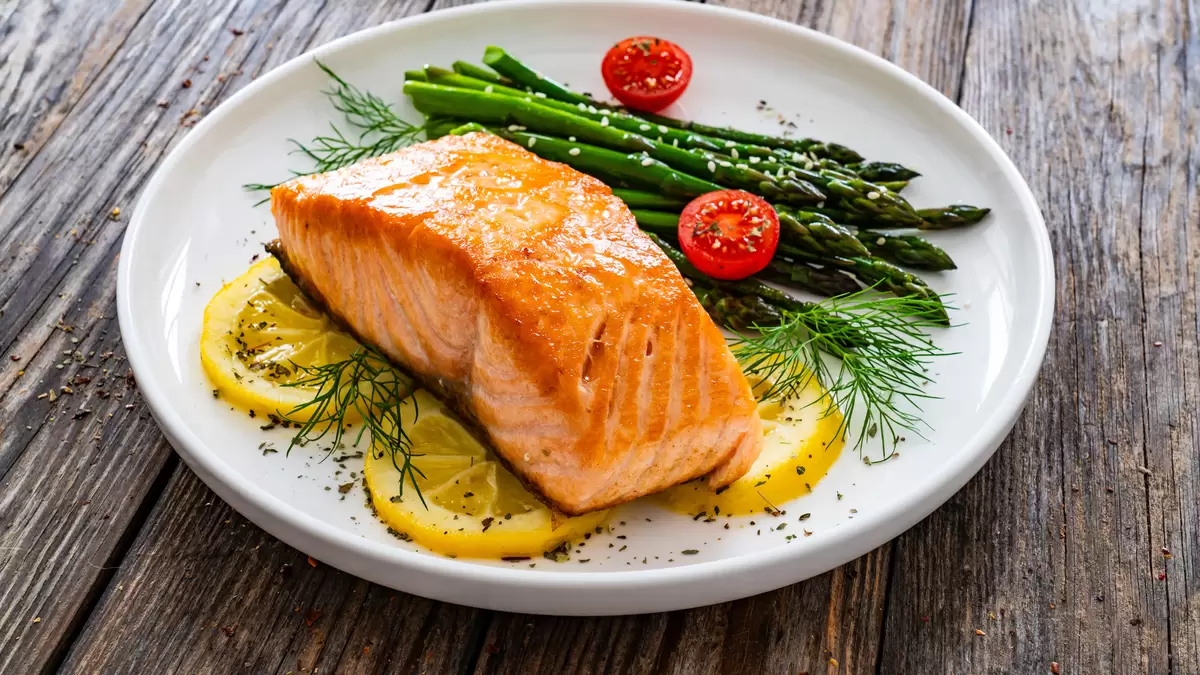
This kidney-friendly baked salmon is one of the easiest renal diet dinners you can make. Fresh Atlantic salmon fillets are seasoned with lemon juice, dill, garlic powder, and olive oil, then baked at 400°F until flaky and tender. It takes just 25 minutes to make a kidney-friendly meal.
Atlantic salmon is an excellent protein choice for kidney disease because it is naturally moderate in phosphorus, provides heart-healthy omega-3 fatty acids, and has very low natural sodium. Lemon juice and dried dill replace the need for salt, keeping total sodium at just 209 mg.
Important: Use Atlantic (farmed) salmon for this recipe. Wild varieties like sockeye and coho are higher in phosphorus (up to 350+ mg per serving) and may exceed kidney-friendly limits.
Pair with steamed green beans and white rice for a complete meal.
COMPLIANCE: K 419 <600 PASS | P 268 <300 PASS | Na 209 <400 PASS | Pro 28g PASS
Note: Always confirm with your renal dietitian that this recipe fits your individual nutrition plan based on your lab values, stage of kidney disease, and any other dietary needs.
(Instant Download)
Sign Up for instant access to your free cookbook plus our most popular quick and healthy recipes!
While wild salmon is often considered "healthier" for the general population, varieties like Sockeye and Coho are significantly higher in phosphorus. For a renal diet, farmed Atlantic salmon is preferred because it contains about 25–30% less phosphorus, making it easier to stay under the 300mg-per-meal limit.
Yes! Frozen fillets are a great, budget-friendly option. Just ensure they are fully thawed in the refrigerator overnight and patted dry with a paper towel before seasoning to ensure the olive oil and herbs stick properly.
Yes, the skin is safe to eat and contains high levels of heart-healthy omega-3 fatty acids. However, if you are strictly watching your fat or calorie intake, you can easily peel it off after baking.
You can use the " fork test." Gently press down on the thickest part of the fillet; if the flesh flakes ap art easily along the natural white lines, it is ready. The center should be opaque, n ot translucent.
Absolutely. If using fresh dill, use about 1 tablespoon of chopped fresh herbs to replace the 1 teaspoon of dried dill. Fresh dill is very low in potassium and adds a wonderful aroma to the dish.
Recipe yields 1 servings
Preheat oven to 400°F. Line a baking sheet with parchment paper.
Place salmon fillets skin-side down on the baking sheet. Drizzle with olive oil and lemon juice. Season evenly with lemon zest, dried dill, garlic powder, black pepper, and salt.
Bake 12 to 15 minutes, until salmon flakes easily with a fork and reaches an internal temperature of 145°F.
Remove from oven, let rest 2 minutes. Serve with lemon wedges and fresh dill if desired. STORAGE: Airtight container, refrigerator, up to 2 days. Reheat gently in a 300°F oven for 8-10 minutes. Avoid microwaving, which can make salmon rubbery.