FREEHealthy 30-Minute Meals
(Instant Download)
Sign Up for instant access to your free cookbook plus our most popular quick and healthy recipes!
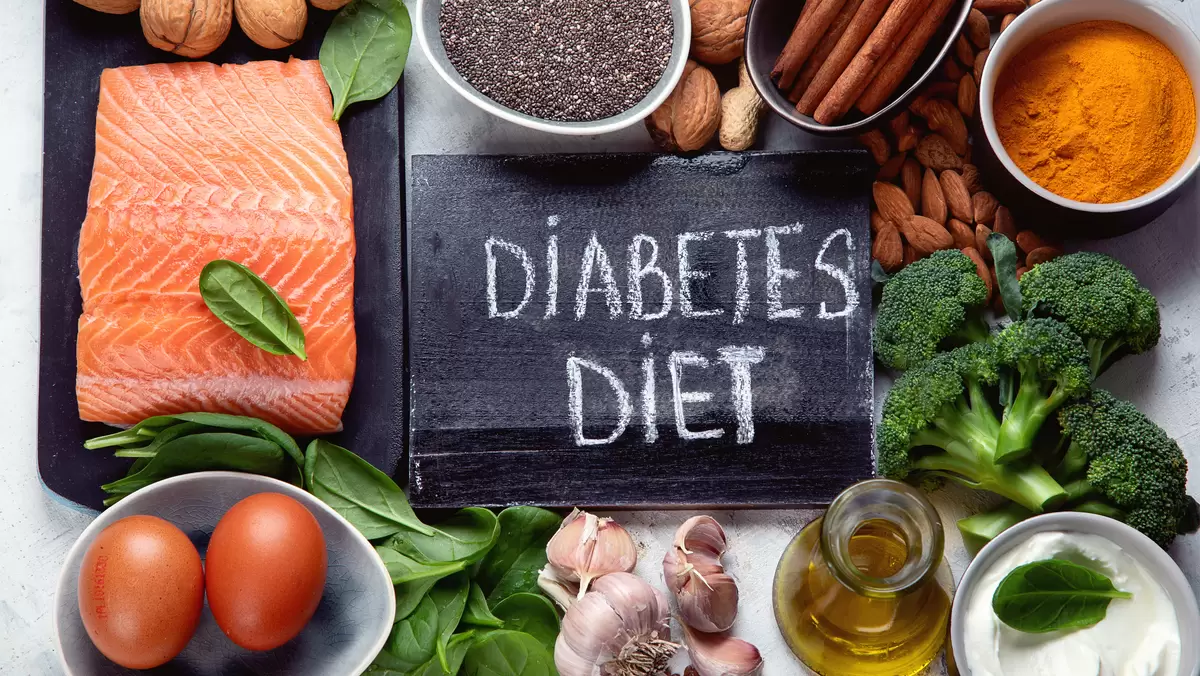
Figuring out what to eat when you have diabetes can sometimes feel overwhelming. You may wonder if you’ll have to count every bite that passes your lips or give up some of your favorite foods. But you’ll find that a healthy eating plan for diabetes is about balance and creating meals that leave you feeling satisfied, not deprived. Understanding diabetic dietary guidelines can help you take control of your health while still enjoying what you eat.
At Health eCooks, our team of registered dietitians creates recipes that follow trusted diabetic nutrition standards while still tasting like real food you’d want to serve your family. This guide breaks down what makes a recipe diabetes-friendly, highlights recommendations from the American Diabetes Association® (ADA), and shares practical tips you can use to eat healthier.
The American Diabetes Association makes it clear that there isn’t one specific “diabetic diet.” Instead, a healthy diabetes diet is personalized. It focuses on keeping blood sugar steady, protecting heart health, and promoting overall wellness.
In general, diabetic dietary guidelines encourage:
The ADA often recommends the Diabetes Plate Method. It’s simple, practical, and easy to follow. This method recommends that you fill half your plate with vegetables, one quarter with lean protein, and one quarter with quality carbohydrates such as wild rice, whole grain pasta, or fruit.
Because people with diabetes face a higher risk of heart disease, dietary guidelines for diabetics also suggest limiting saturated fat, sodium, and highly processed foods.
Additionally, the ADA suggests that various eating patterns may help people manage their diabetes, including Mediterranean style, vegetarian, vegan, low fat, low carbohydrate and DASH (Dietary Approaches to Stop Hypertension) meal plans.
A recipe isn’t diabetes-friendly just because it skips added sugar or doesn’t contain a lot of white flour. The full balance of nutrients a recipe contains must be taken into account.
Here are some features of our diabetic recipes:
At Health eCooks, our diabetic-friendly recipes are built around these principles. They emphasize whole foods, thoughtful carbohydrate portions, and ingredients that support a balanced diabetes-friendly diet.
Here are some tips for making your meals fit into a diabetes-friendly lifestyle:
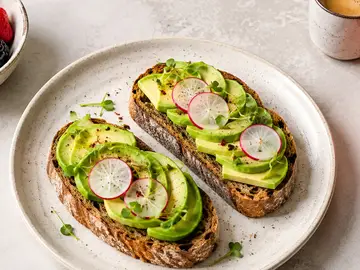
A balanced diabetes diet can still include a wide variety of satisfying meals. For example:
These meals follow diabetic dietary guidelines by combining lean protein, fiber-rich carbohydrates, and healthy fats in appropriate portions. Check out the collection of diabetes-friendly recipes on our site for more ideas.
Living with diabetes doesn’t mean you have to give up the foods you love. By following diabetic dietary guidelines, focusing on a balanced, whole-food approach, and enjoying diabetic breakfasts, lunches, dinners, snacks, and even dessert recipes that make your favorite foods healthier, you can support steadier blood sugar and long-term health.
(Instant Download)
Sign Up for instant access to your free cookbook plus our most popular quick and healthy recipes!