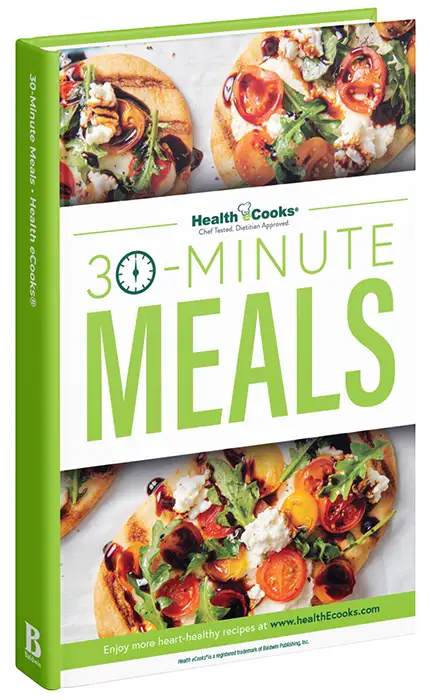
FREEHealthy 30-Minute Meals
(Instant Download)
Sign Up for instant access to your free cookbook plus our most popular quick and healthy recipes!

If you’ve ever tried to lose weight, you know how easy it is to get pulled into an all-or-nothing plan. One week it’s cutting carbs. The next it’s swearing off sugar. Maybe it’s promising to “start fresh” every Monday. While these strict plans can lead to quick results, they often don’t last. And when they fall apart, the weight tends to come back.
That frustrating cycle is common. But the good news is that long-term weight management doesn’t require extreme rules. In fact, research and health experts consistently show that small, realistic lifestyle changes are more effective than drastic diets. When your habits fit your real life, you’re far more likely to stick with them.
If your goal is healthy weight loss or maintaining your current weight, these simple, sustainable strategies can make a real difference over time.
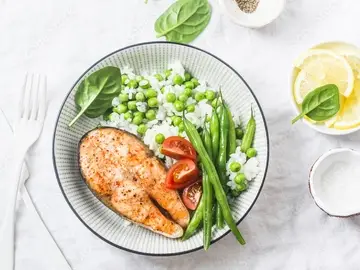
Healthy weight management isn’t about banning your favorite foods. It’s about creating balance. A helpful visual guide is to fill half your plate with vegetables or fruit. The other half can include lean protein and whole grains. This approach naturally increases fiber and protein, which helps you feel full longer.
You also want to enjoy meals that taste delicious and not restrictive. You’ll be surprised by how easy it is to make that happen when you follow recipes that focus on real food, such as these Mediterranean diet recipes or high protein recipes.
Another simple trick? Use a slightly smaller plate. This can help with portion control without the need to measure, weigh, or count every calorie. Over time, these subtle adjustments can lower your overall intake while still allowing you to enjoy satisfying meals.
Many people focus on food but forget about calories from beverages. Sugary drinks like soda, sweetened tea, energy drinks and flavored coffee drinks can add hundreds of extra calories each day. The problem is that liquids don’t fill you up the way solid food does.
You don’t have to cut them out completely. Instead, start by replacing some of them with water, sparkling water, or unsweetened tea. Even reducing just one sugary drink a day can support your weight management goals without feeling restrictive.
Eating while scrolling on your phone or watching TV makes it easy to overeat. When you rush through meals, your brain doesn’t always register fullness until it’s too late.
Try sitting down at a table, turning off screens, and slowing your pace. Take smaller bites. Pause halfway through your meal and check in with your hunger level. These mindful eating habits help your body recognize when it’s satisfied, which can naturally reduce overeating.
Exercise doesn’t have to mean intense gym sessions or long workouts. Consistent, moderate movement is incredibly helpful for weight management and overall health. Short walks after meals, light stretching in the morning, or taking the stairs instead of the elevator all count. Even breaking activity into 10-minute segments throughout the day can be effective.
The most important factor is choosing movement you enjoy. When physical activity feels manageable and even fun, it becomes part of your routine rather than another short-term effort.
Two often-overlooked pieces of healthy weight management are sleep and stress.
Lack of sleep can disrupt hormones that regulate hunger, leading to stronger cravings and increased appetite. Chronic stress can have a similar effect, making it harder to stick with healthy habits.
Aim for a consistent sleep schedule and create a calming wind-down routine before bed. To manage stress, consider simple practices like deep breathing, gentle yoga, or spending time outside. These habits support your overall health and make balanced eating easier.
The key to sustainable weight loss and long-term weight management is consistency. Small, flexible changes are easier to maintain and far less likely to lead to burnout. They also help you build a healthier relationship with food and movement. Over weeks and months, those small daily decisions add up. And that’s where real, lasting progress happens.
(Instant Download)
Sign Up for instant access to your free cookbook plus our most popular quick and healthy recipes!