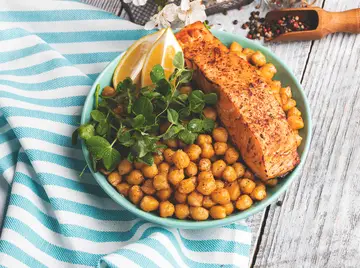
FREEHealthy 30-Minute Meals
(Instant Download)
Sign Up for instant access to your free cookbook plus our most popular quick and healthy recipes!
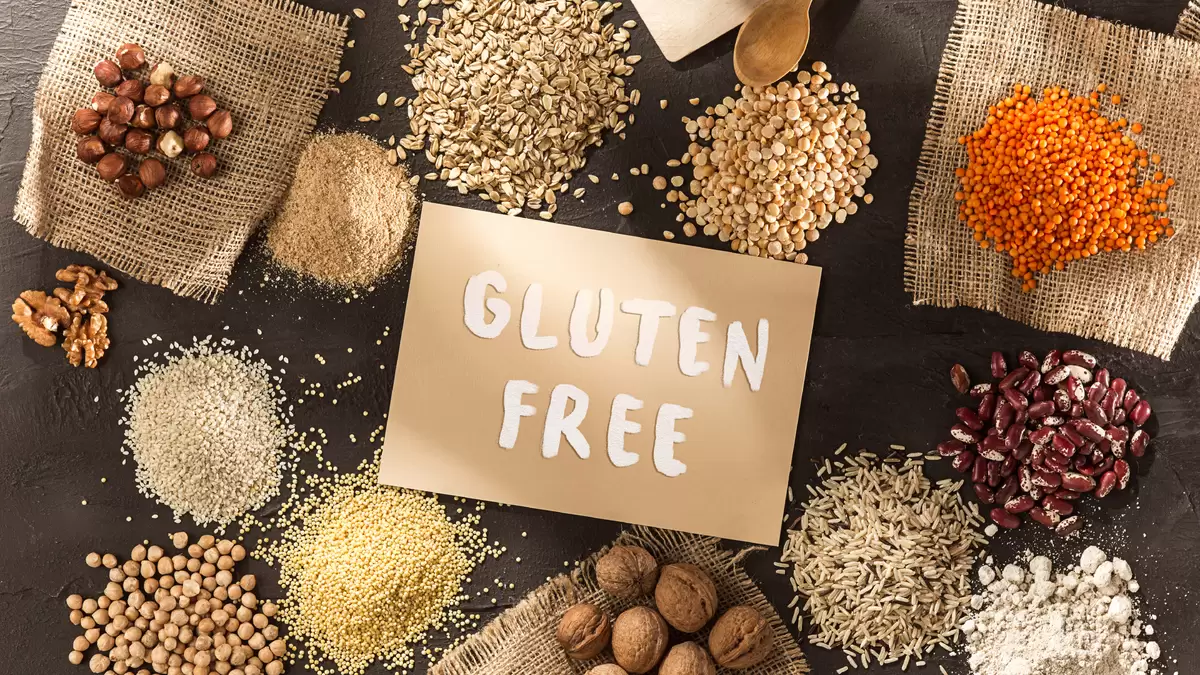
For some people, avoiding gluten isn’t just a diet trend, it’s a medical need. Understanding gluten free diet guidelines can help you make safe food choices, cook with confidence, and enjoy meals that still taste great.
A gluten free diet removes all sources of gluten, a protein found in wheat, barley, and rye. Gluten gives bread its chewy texture and helps baked goods hold their shape. But for people with celiac disease, non-celiac gluten sensitivity, or a wheat allergy, gluten can cause serious symptoms.
According to the Celiac Disease Foundation and the National Institute of Diabetes and Digestive and Kidney Diseases, even small amounts of gluten can damage the small intestine in people with celiac disease. That’s why it’s important to know where gluten is found and how to avoid it.
Here’s some valuable information from our team of registered dietitians about following a gluten free diet, what constitutes gluten free recipes, and how to ensure you get the nutrients you need when you avoid gluten-containing foods.
A gluten free diet means that you avoid all foods and ingredients that contain:
It also requires checking labels closely. Gluten can hide in soy sauce, salad dressings, soups, sauces, and processed meats. Oats are naturally gluten free, but they’re often processed in facilities that also handle wheat, so look for oats labeled “certified gluten free” to be safe.
Naturally gluten free foods include:
Following a gluten free diet doesn’t automatically make food healthier, however. Cookies made with gluten free flour are still cookies. Focus on whole, nutrient-dense foods while avoiding gluten if eating healthy is your goal.
When following gluten free diet guidelines, you need to pay attention to certain nutrients to make sure you get enough of them. Removing wheat products from your diet can lower your intake of fiber, iron, and B vitamins if you aren’t careful. Many traditional breads and cereals are fortified, but some gluten free products are not.
Here are a few simple tips to get the nutrients you need:
A well-planned gluten free diet can meet your nutrition needs, but it takes a bit more label reading and meal planning.
Cooking at home gives you more control over avoiding gluten. If you’re new to gluten free eating, start simple. Build meals around naturally gluten free foods, then experiment with substitutions as you feel more comfortable or try some of the gluten free recipes on our site.
Here are some practical tips from our dietitians:
Don’t be fooled into thinking that gluten free foods are healthier than those that contain gluten. If you don’t have celiac disease, gluten sensitivity, or a wheat allergy, there’s no strong evidence that removing gluten improves health.
Additionally, some gluten free packaged foods contain more sugar, fat, or sodium to improve taste and texture. Many gluten free recipes may also not be as healthy as you think. That’s why gluten free diet guidelines recommend focusing on whole foods first.
A gluten free diet can be safe, healthy, and enjoyable when it’s well planned. By following these gluten free diet guidelines, choosing naturally gluten free foods, reading labels carefully, and preparing simple gluten free recipes at home, you can protect your health while still enjoying the food you eat.
Here are some healthy gluten free recipes from the Health eCooks Test Kitchen that you can feel good about preparing and enjoying with your family:
(Instant Download)
Sign Up for instant access to your free cookbook plus our most popular quick and healthy recipes!