FREEHealthy 30-Minute Meals
(Instant Download)
Sign Up for instant access to your free cookbook plus our most popular quick and healthy recipes!
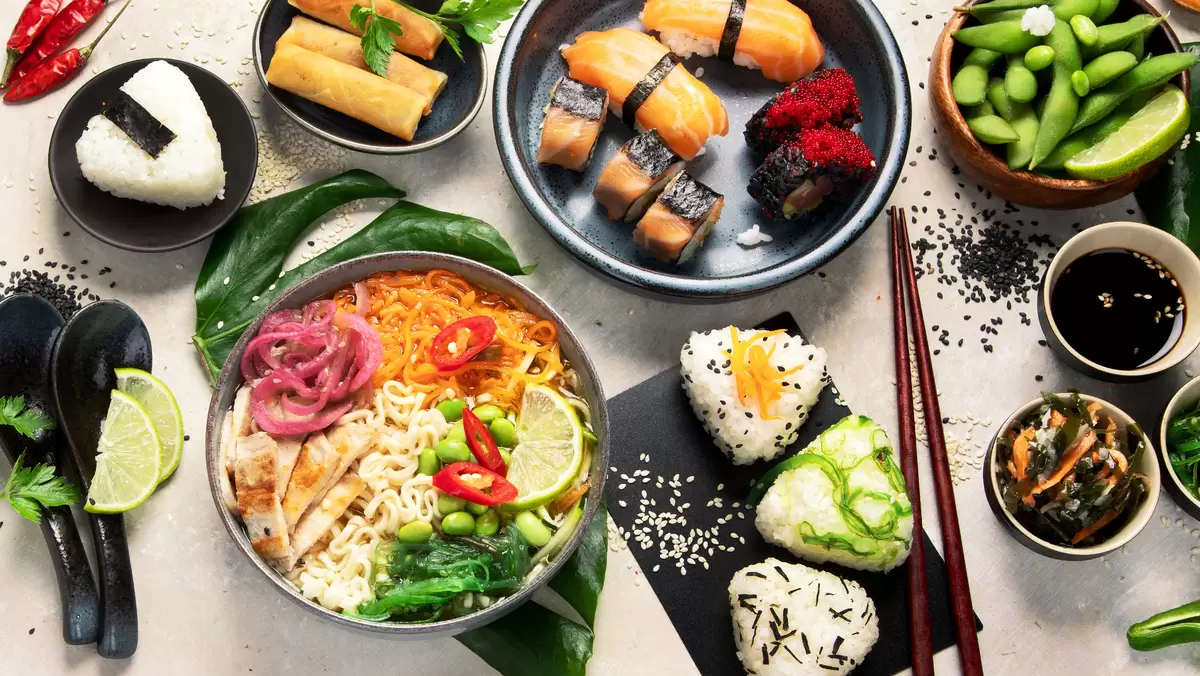
Walk into almost any Japanese restaurant and you’ll likely see a mix of dishes on the table, including fish, miso soup, sushi, vegetables, and bowls of rice. The meals often look colorful, fresh, and fairly simple, but it still leaves many people wondering, “Is Japanese food healthy?”
Traditional Japanese eating styles include plenty of fish, vegetables, and fermented foods. These foods are often linked to longer life expectancies and lower rates of certain chronic diseases. Of course, not every Japanese dish is healthy, but overall, the cuisine has a reputation for being one of the healthier ways to eat.
Here’s some insight from the Health eCooks dietitians into how healthy Japanese food is, why it’s often praised by nutrition experts, and what to consider when ordering at a restaurant or cooking it at home.
Here are a few reasons why Japanese food is good for you:
Because of these features, studies often connect traditional Japanese diets with lower rates of heart disease and longer life expectancy.
When people ask, “How healthy is Japanese food?”, the answer often depends on the type of dishes being eaten. Many traditional meals, like grilled fish with rice, miso soup, and vegetables can be very nutritious. But some modern restaurant dishes may be less healthy.
For example:
So the type of Japanese food you eat will make a difference in how healthy it is.
If you want to enjoy the benefits of Japanese cuisine, some healthy options include:
These foods are common in traditional meals and explain why Japanese food is so healthy compared to many other types of cuisines.
If you enjoy Japanese cuisine, a few simple choices can make your meal even healthier, such as:
Small adjustments like these can help you enjoy the flavors of Japanese cuisine while keeping your meal balanced, especially when you’re eating in restaurants.
Here are answers to questions people often ask about the healthfulness of Japanese food.
Is Japanese food healthy for weight loss?
Many Japanese meals include lean protein, vegetables, and broth-based soups that can help you feel full without excessive calories, making it a good option for many people trying to lose weight.
Why is Japanese food so healthy?
Traditional Japanese diets feature fresh fish, vegetables, fermented foods, and rice. These wholesome foods provide nutrients, fiber, and protein without a lot of oil, sugar, or highly processed ingredients.
Is sushi healthy?
Many types of sushi are healthy, especially simple rolls or sashimi made with fish and vegetables. Specialty rolls that include fried ingredients (like tempura), creamy sauces, cream cheese, or lots of seasoned rice may contain more fat, sodium, and calories.
Is ramen healthy?
Broth-based ramen with vegetables and lean protein can be healthy, but some versions are high in sodium and saturated fat, so it depends on the ingredients that any particular bowl of ramen contains.
Is the food at a Japanese steakhouse healthy?
Many Japanese steakhouses, where they cook in front of you (often referred to as hibachi), serve grilled meats, seafood, rice, and vegetables, which can be part of a balanced meal. However, some dishes may include large portions and may be cooked with a lot of butter or oil. Choosing lean protein, steamed rice, and vegetables, and asking for the chef to limit the amount of butter or oil, can make the meal healthier. Here’s more information about how healthy hibachi is.
Is Japanese food healthier than Chinese food?
Both cuisines can be healthy but they also both have less healthy dishes. Traditional versions of each often include vegetables, lean proteins, and simple cooking techniques. Overall, Japanese food is typically healthier than American versions of Chinese food, that may be fried or contain a lot of oil, sodium, or sugar.
For the most part, Japanese food is typically healthy, but like any cuisine, some dishes are healthier than others. Choosing fresh seafood, vegetable dishes, miso soup, and simple sushi options can help you enjoy the health benefits of Japanese food, whether you make it at home or enjoy it in a restaurant.

(Instant Download)
Sign Up for instant access to your free cookbook plus our most popular quick and healthy recipes!