FREEHealthy 30-Minute Meals
(Instant Download)
Sign Up for instant access to your free cookbook plus our most popular quick and healthy recipes!
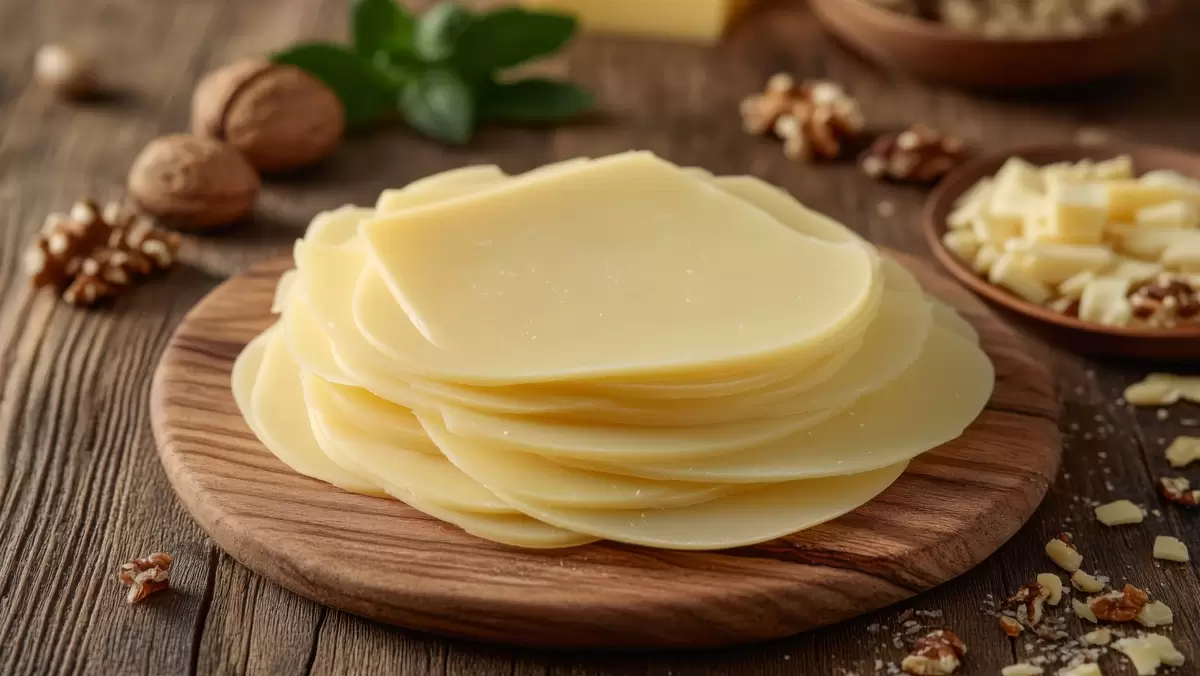
Few foods spark as much debate as cheese. Some people see it as a comfort food they can’t live without. Others worry it’s too high in fat or sodium to fit into a healthy diet. If provolone happens to be your go-to slice for sandwiches or melting over your favorite dish, you may have asked yourself, “Is provolone cheese healthy?” Or maybe you’ve wondered, “Is provolone a healthy cheese compared to cheddar, American, or mozzarella?”
Because these questions are common, our team of Health eCooks dietitians is breaking down the facts about provolone cheese and its nutritional value. From calories and protein to saturated fat and sodium, here’s what to know about how healthy provolone cheese is, and how it can fit into a balanced eating plan.
Provolone is a semi-hard Italian cheese made from cow’s milk. It has a creamy texture and mild, slightly tangy taste. There are two main types:
Both types are commonly used in sandwiches, wraps, baked pasta dishes, and melted over meats or vegetables.
To understand whether provolone fits into a healthy eating plan, it helps to look at the numbers. One ounce (about one slice) of provolone cheese typically contains:
Provolone is considered a high-protein cheese and a good source of calcium, phosphorus, vitamin B12, and zinc.
When asking, “Is provolone a healthy cheese?”, the answer depends on several factors. These are some of its health benefits:
Even though provolone has some health benefits, there are a few factors to keep in mind:
Due to its saturated fat and sodium content, moderation makes a difference when deciding if provolone belongs in a heart-healthy eating plan.
When it comes to picking the healthier cheese, one of the most common questions is whether provolone cheese is healthier than American cheese or vice versa.
In many cases, provolone has an edge. American cheese is often a processed cheese product that contains added ingredients like emulsifiers and preservatives. Provolone is typically less processed and made with simpler ingredients. While calories and saturated fat may be similar per slice, provolone generally contains fewer additives and may offer a more natural nutrient profile.
Another popular comparison is between provolone and cheddar cheese, and which is healthier.
Nutritionally, provolone and cheddar are quite similar. Both provide protein and calcium. Cheddar may have a slightly higher fat and calorie content depending on the variety, but the differences are usually small.
Many people also wonder which is healthier, provolone or mozzarella?
The two are fairly similar in calories, protein, and calcium. However, fresh or part-skim mozzarella is often slightly lower in sodium and saturated fat than provolone. That can make mozzarella a better option for those focusing on heart health, but the differences are small. Both cheeses can fit into a balanced diet when enjoyed in moderate portions.
Provolone can fit into a balanced meal plan with a few simple strategies:
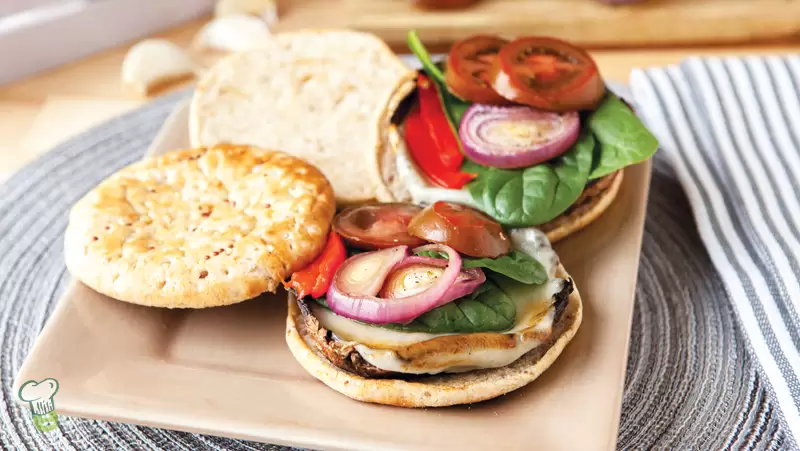
Cheese works best as a complement to a meal rather than the main focus, like in this delicious Balsamic Portobello Sandwich, which pairs provolone with balsamic-glazed portobello mushroom caps and fresh vegetables on a multigrain roll.
Here are answers to some other common questions about this popular cheese.
Is provolone cheese healthy for weight loss?
It can be included in a weight loss plan because of its protein content, which helps with fullness. However, provolone cheese is calorie-dense, so portion control is important.
Is provolone cheese good for heart health?
Small amounts can fit into a heart-conscious eating pattern, as long as you focus on keeping your overall saturated fat and sodium intake within recommended limits.
Is provolone cheese high in cholesterol?
Provolone contains cholesterol like most full-fat dairy products, but dietary cholesterol has not been shown to have much impact on blood cholesterol levels (saturated fat is a bigger culprit). Again, it’s best to enjoy provolone in moderate portions as part of a balanced diet.
Can people with lactose intolerance eat provolone?
Aged cheeses like provolone usually contain very little lactose. Many people with mild lactose intolerance tolerate it well, but if you have issues with lactose intolerance, only try a small portion to see how it affects you.
Provolone offers protein, calcium, and important nutrients. It’s less processed than some cheese options and can fit into a balanced diet when eaten in reasonable portions. Depending on your health goals, however, it’s best to keep its saturated fat, sodium, and calorie content in mind.
Enjoying a slice of provolone on a sandwich or melted over vegetables can add flavor and offer beneficial nutrients without throwing off a healthy plan. The key is to practice moderation and pair foods like provolone with other healthy choices throughout the day.
(Instant Download)
Sign Up for instant access to your free cookbook plus our most popular quick and healthy recipes!