FREEHealthy 30-Minute Meals
(Instant Download)
Sign Up for instant access to your free cookbook plus our most popular quick and healthy recipes!
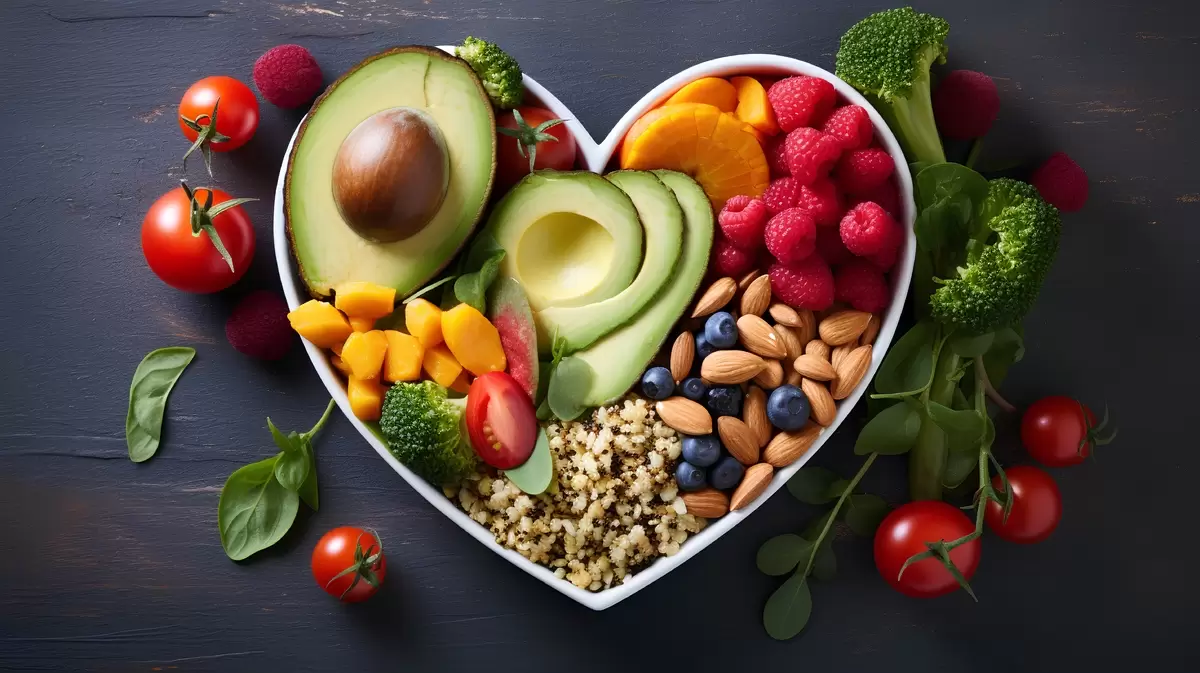
If you have high blood pressure, your doctor may have recommended that you follow the DASH diet, but it’s not the only heart-healthy way to eat. Many people also consider another popular eating style that’s good for your heart and overall wellness, the Mediterranean diet. When it comes to the DASH diet vs Mediterranean diet, you may be wondering which one is better for you.
Both eating styles are backed by strong research and focus on many of the same healthy habits, but they’re not exactly the same. Each has its own approach, benefits, and reasons why it might be a better choice. Our dietitians share information about each of these diets and how they may benefit your health, so you can decide which is right for you.
The DASH diet stands for Dietary Approaches to Stop Hypertension. It was created by researchers in the 1990s to help lower high blood pressure without medication. At its core, this diet is all about getting more nutrients that support heart health, like potassium, calcium, magnesium, and fiber, while cutting back on sodium, added sugar, and unhealthy fats.
Foods that are commonly included in the DASH diet are:
One of the biggest focuses of the DASH diet is reducing sodium intake. That means limiting processed foods, packaged snacks, and restaurant meals that tend to be high in salt and instead focusing on eating whole foods and following low sodium recipes so you can enjoy delicious meals with less salt.
The DASH diet is often recommended for people with high blood pressure because it works quickly and naturally. Many people see improvements in just a few weeks, and the benefits go beyond blood pressure. Research shows this eating pattern can also:
Because it’s flexible and doesn’t cut out entire food groups, many people also find it relatively easy to stick with long term.
When comparing heart healthy diets, the Mediterranean diet is the other major player. This “diet” is based on traditional eating patterns from countries like Greece, Italy, and Spain. It focuses on whole, minimally processed foods and emphasizes healthy fats.
Foods that are staples in the Mediterranean diet include:
Red meat and sweets are eaten only on occasion, if ever, and meals are often centered around plant-based foods, with fish and other lean protein options also star players in delicious and nutritious Mediterranean diet recipes.
The Mediterranean diet is widely known for its heart health benefits. Studies have linked it to:
It’s also often praised for being enjoyable and sustainable, since it doesn’t feel restrictive and includes a wide assortment of naturally delicious foods.
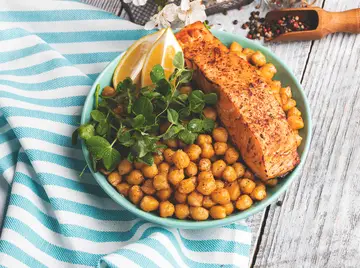
When looking at the DASH vs Mediterranean diet, there are a lot of similarities, but also a few key differences. One of the biggest differences between the two diets is how much fat is recommended. While the DASH diet limits fat intake, the Mediterranean diet encourages healthy fats, especially from olive oil and fatty fish, like salmon.
What the DASH and Mediterranean diets have in common:
The key differences between the DASH vs Mediterranean diets:
When it comes to the Mediterranean vs DASH diet, there isn’t a one-size-fits-all answer as to which is a better option. Consider this when choosing:
Both of these plans offer a simple, proven way to eat better, support your heart, and improve your overall health, and there’s no reason to choose one dietary pattern over another. Many people combine the best parts of both diets, eating more whole foods, adding healthy fats like olive oil, and keeping sodium in check.
(Instant Download)
Sign Up for instant access to your free cookbook plus our most popular quick and healthy recipes!