How to Lower Cholesterol with Food (What Really Works)

By Andrea Cohen
Published 2/24/2026
Dietitian Reviewed: Jane Schwartz, RDN, CLT
How to Lower Cholesterol with Food (What Really Works)
Photo Credit: Adobe Stock

Many people assume high cholesterol only affects those who live on fast food or eat a lot of fried meals, but that’s not always the case. If your LDL, often called “bad” cholesterol, is elevated, you may be wondering what changes you should make to your diet to help bring it down.

For years, saturated fat was seen as the main dietary culprit behind high cholesterol. Research consistently showed that eating too much saturated fat could raise LDL levels, increasing the risk for heart disease. Because of this, older dietary guidelines strongly encouraged people to cut back on foods like fatty meats, butter, and full-fat dairy.

But more recent federal dietary guidelines focus less on singling out saturated fat and more on encouraging overall healthy eating patterns. While this shift has caused some confusion, it doesn’t mean saturated fat no longer affects heart health. Instead, it highlights that cholesterol levels are influenced by your entire diet, not just one nutrient. And it puts more focus on the importance of eating real food instead of processed food, no matter what the ingredients.

Dietitians agree that these habits can have a meaningful impact on cholesterol and long-term heart health:
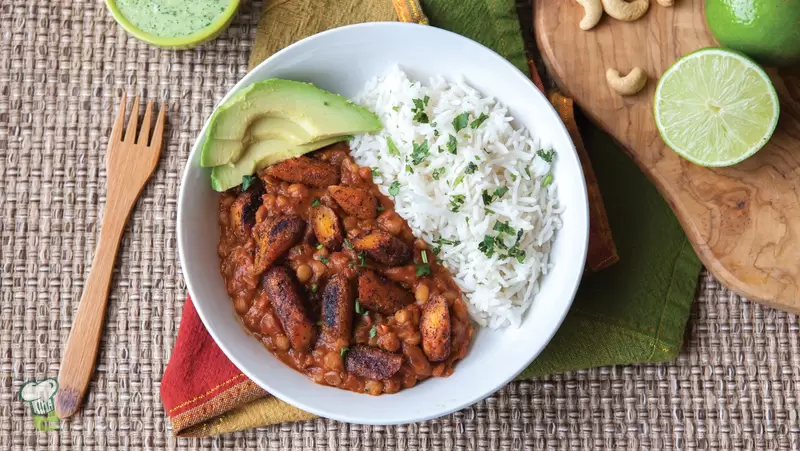
  • Cut Back on Added Sugars and Ultra-Processed Foods. Highly processed foods and refined carbohydrates play a bigger role in cholesterol problems than many people realize. Foods high in added sugars and refined grains can increase inflammation and insulin resistance, which may worsen the type of LDL cholesterol that contributes to plaque buildup in the arteries. Reducing sugary drinks, packaged snacks, and heavily processed meals can support healthier cholesterol levels.
  • Be Smart About Saturated Fat. Not all sources of saturated fat affect the body the same way. Processed meats like sausage and bacon are linked to poorer heart outcomes, while whole-food sources such as minimally processed meats or cultured dairy may be less harmful when eaten in moderation. Cholesterol issues often arise from a pattern of eating that combines high saturated fat with refined carbs and sugar, rather than from one food alone.
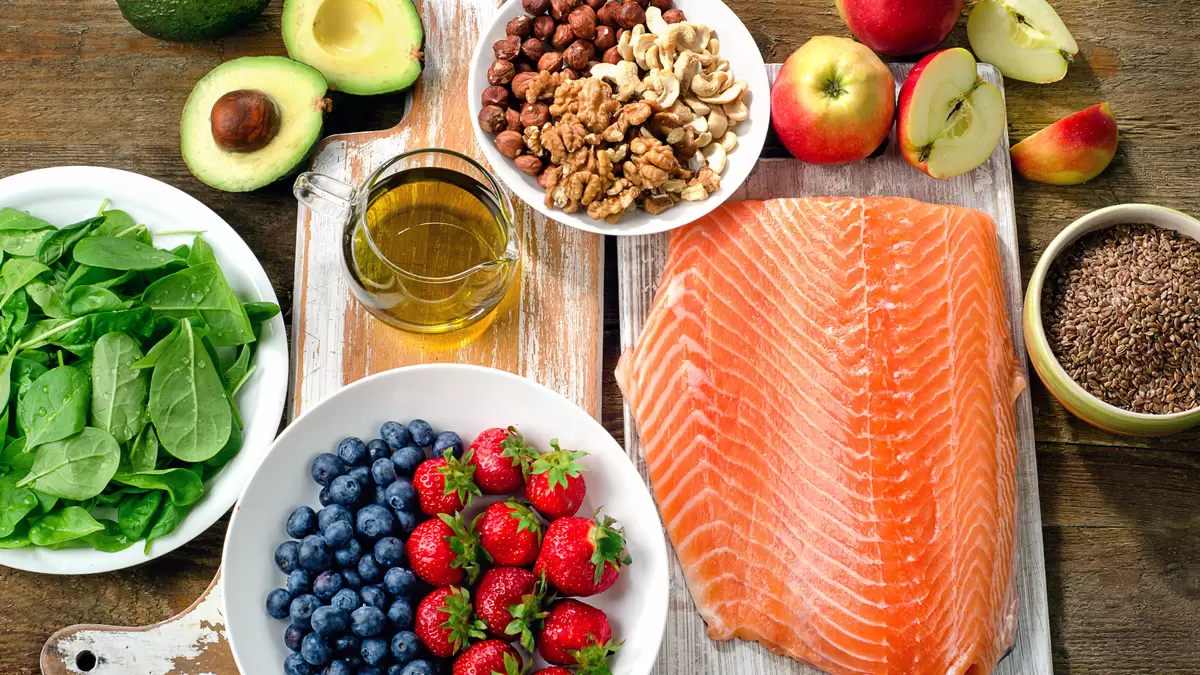
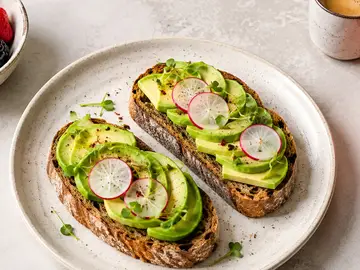
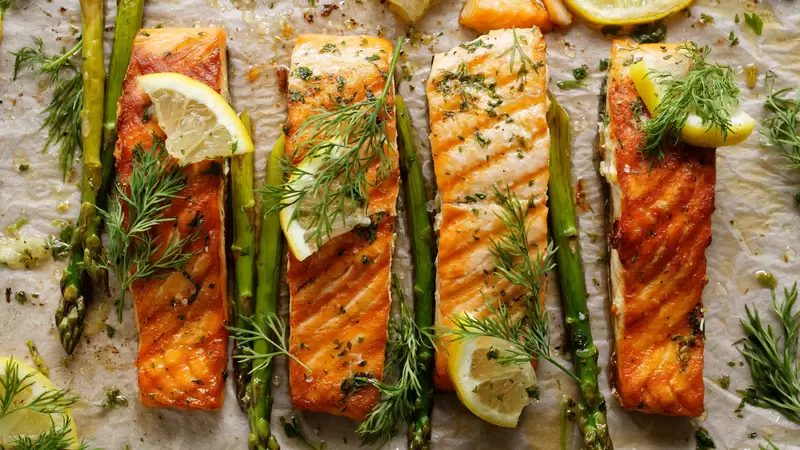
  • Choose Heart-Healthy Fats More Often. Replacing some saturated fat with unsaturated fats is an effective dietary change that can help lower LDL cholesterol. Olive oil, nuts, seeds, avocados, and fatty fish like salmon provide monounsaturated and polyunsaturated fats that support heart health. Many heart-healthy recipes on Health eCooks, such as meals made with olive oil and lean proteins like this Grilled Salmon with Asparagus, are designed by our chefs and dietitians with this balance in mind.
Grilled Salmon with Asparagus
Photo Credit: Adobe Stock
30 mins
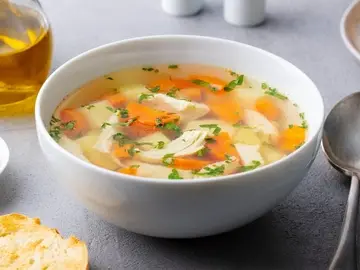
  • Increase Fiber Intake. Soluble fiber helps pull cholesterol out of the body before it can be absorbed. Foods like oats, beans, lentils, apples, and pears are especially helpful. Dishes such as bean-based soups (like our White Bean and Kale Soup), lentil entrees (like this Red Lentil Curry Bowl), and other fiber-rich recipes make it easier to boost fiber without overthinking meals.
Heart Healthy Red Lentil Carrot Curry Bowl
Photo Credit: Baldwin Publishing Staff Photographer
150 mins
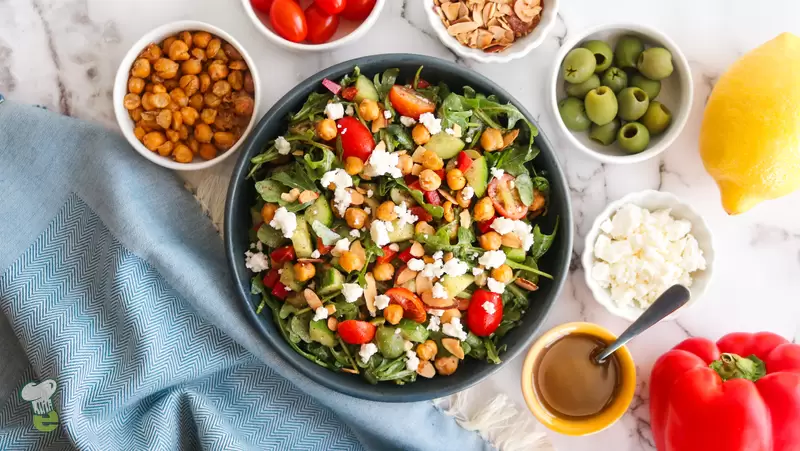
  • Fill Your Plate with Color. Eating a wide variety of fruits and vegetables provides fiber, antioxidants, and plant compounds that reduce inflammation and support healthy blood vessels. Aim to include leafy greens, berries, citrus fruits, tomatoes, and orange or purple produce regularly. Colorful, vegetable-based recipes are a core part of many low-cholesterol and heart-healthy meal plans.
Heart Healthy Mediterranean Chopped Salad
Photo Credit: Baldwin Publishing Staff Photographer
30 mins
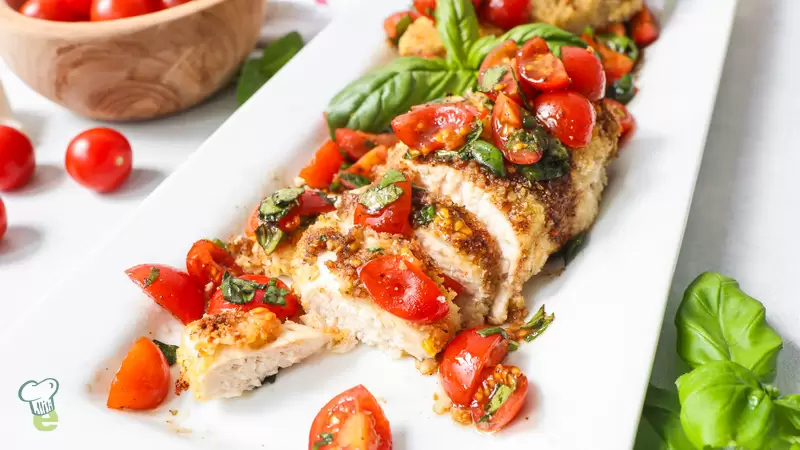
  • Build Meals Around Whole Foods. Meals centered on lean protein, vegetables, fruits and whole grains support better cholesterol levels than meals built around packaged foods. Exploring some of the low-cholesterol recipes and heart-healthy dinners on our site can help simplify meal planning while keeping nutrition goals in check.
Bruschetta Chicken
Photo Credit: Jessica Kielman, Baldwin Publishing
40 mins
  • Stay Active and Support a Healthy Weight. Regular physical activity helps lower LDL cholesterol and raise HDL, or “good,” cholesterol. For some people, even modest weight loss can lead to noticeable improvements in cholesterol numbers.

Cholesterol plays an important role in the body, but when LDL levels rise too high, the risk for heart disease and stroke increases. While nutrition advice continues to evolve, research still supports focusing on whole foods, limiting ultra-processed items, choosing healthier fats, and building balanced meals. These changes, combined with regular movement, remain a reliable way to protect your heart and improve cholesterol over time.
Latest Blog Articles