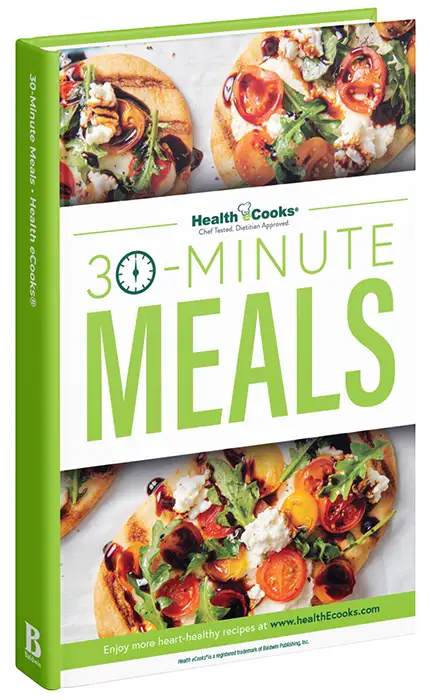
FREEHealthy 30-Minute Meals
(Instant Download)
Sign Up for instant access to your free cookbook plus our most popular quick and healthy recipes!
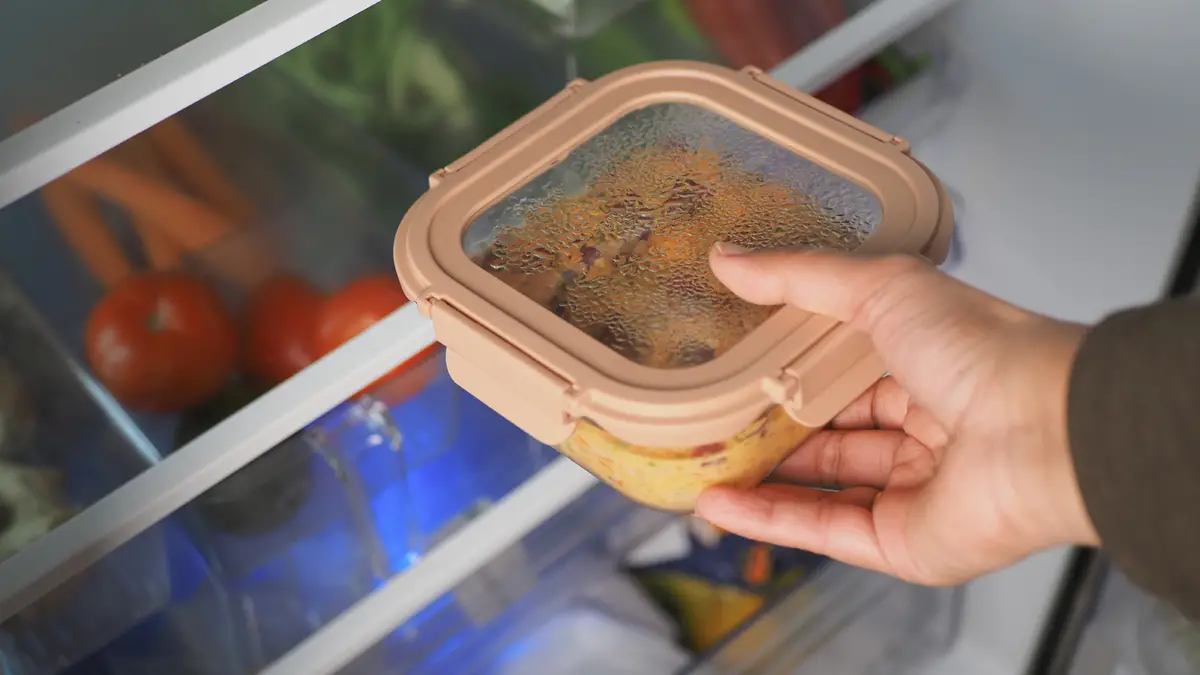
Cooking a big batch of your favorite food is one of the easiest ways to save time during a busy week, but those extra portions only pay off if they're stored the right way. Handle leftovers carelessly, and you risk turning tomorrow's lunch into a source of foodborne illness.
Luckily, keeping leftovers fresh and safe comes down to following these straightforward tips that break down exactly what to do from the moment your meal is finished to the reheating it for another meal.
Saving extra food after a meal is a smart way to cut down on waste and give yourself a head start on tomorrow's lunch or dinner. The catch is that leftovers are only worth keeping if they're handled properly.
Most foodborne illnesses linked to leftovers are traced back to the same root cause: bacteria getting the time and conditions they need to multiply. Food that sits out too long, or gets packed away incorrectly, gives harmful microorganisms exactly that opportunity.
Perhaps the most common slip-up in the kitchen is letting food linger on the counter well after everyone's finished eating. Bacteria multiply fast at room temperature, and the longer food sits out, the greater the risk. As a rule, leftovers need to go into the refrigerator within two hours of being cooked. That window shrinks to just one hour if you're eating outside and the temperature climbs above 90 degrees. If you're serving a large spread, don't wait for the whole table to finish — start packing away dishes that aren't actively being eaten so they can begin cooling right away.
There's a common myth that food needs to cool all the way down before it's safe to refrigerate. But leaving hot food out too long while it cools gives bacteria more time to grow. A better approach is to split large batches into smaller, shallow containers, which lets heat escape faster and more evenly. Once the containers are cool to the touch, place inside the fridge, leave a bit of breathing room between containers so cold air can circulate freely around each one.
For a closer look at the exact process, check out this guide on how to cool food down quickly without compromising food safety, which walks through the technique step by step with tips from Mike McCombe, Health eCooks’ Certified Food Safety Director.
Not all storage containers are created equal. Leftovers should go into clean, airtight containers or resealable storage bags. An airtight seal locks in moisture while keeping out bacteria and odors that can migrate from other foods in the fridge.
Planning to freeze instead? Reach for containers or bags rated for freezer use and squeeze out as much air as possible before sealing. This helps prevent freezer burn and better preserves flavor and texture.
It's surprisingly easy to lose track of how long something has been sitting in the fridge or freezer. The fix is simple: jot down the date on every container before you put it away.
As a general guideline, refrigerated leftovers are best eaten within three to four days. If you're not sure you'll get to them in time, move them to the freezer instead. Frozen leftovers stay safe far longer, though flavor and texture gradually declines the longer they sit. And when in doubt, throw it out. If anything looks, smells, or feels off, it's not worth the risk.
Reheating food correctly matters just as much as storing it safely. Leftovers should be reheated to an internal temperature of 165°F. Soups, sauces, and gravies should be brought all the way to a rolling boil before you serve them again. While reheating, stir food regularly so heat distributes evenly and no cold spots are left behind where bacteria could survive. If you're using a microwave, loosely cover the dish to trap steam, which helps everything heat through more evenly.
None of these food safety tips take much extra effort but following them pays off in less wasted food, easier meal planning for the week ahead, and protection for you and your family against foodborne illness.
(Instant Download)
Sign Up for instant access to your free cookbook plus our most popular quick and healthy recipes!