

FREEHealthy 30-Minute Meals
(Instant Download)
Sign Up for instant access to your free cookbook plus our most popular quick and healthy recipes!
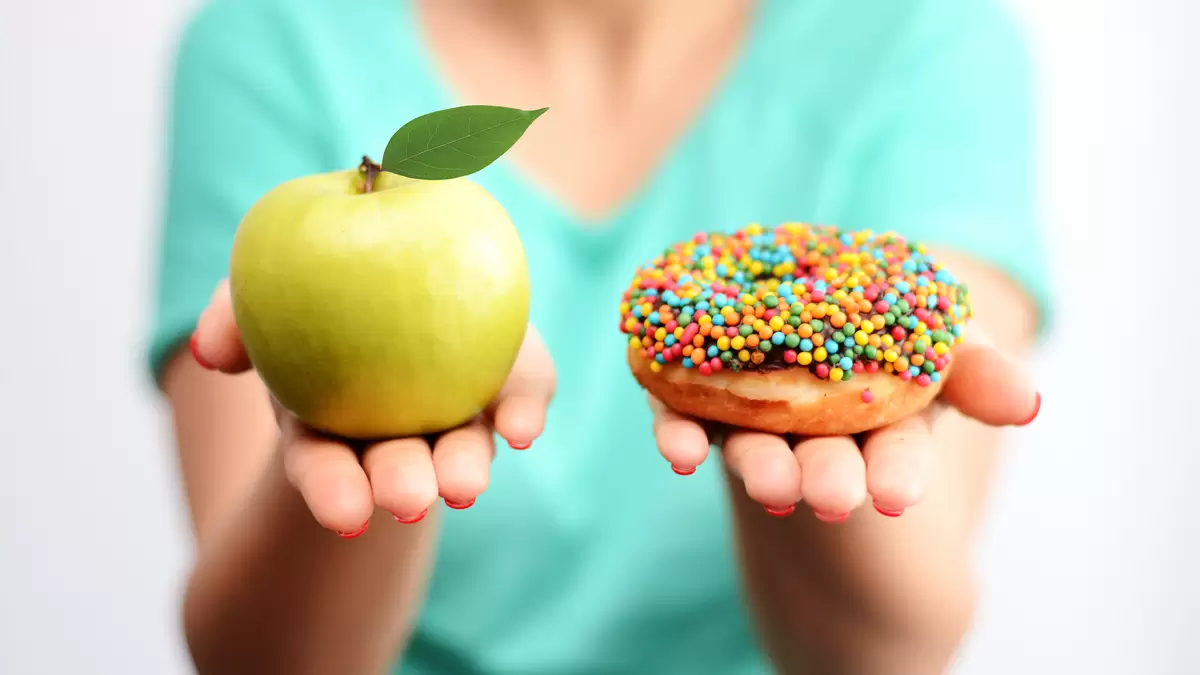
Hearing the words “you have diabetes” can instantly change how you look at food. Suddenly, meals may seem more like a math problem you need to solve, rather than being something carefree and enjoyable, with sugar often feeling like the first thing you have to factor into those equations. Desserts, treats, and even simple pleasures like fruit can start to feel off-limits.
But here’s something many people are relieved to learn—having diabetes doesn’t mean you have to swear off sugar forever. Managing blood sugar is more about understanding how different foods affect your body than about cutting out entire food groups. With the right approach, sugar can still fit into your life.
One of the biggest misunderstandings about diabetes is the idea that all sugar is equally harmful. In reality, where sugar comes from, and what it’s eaten with, plays a major role in how it impacts blood glucose. Our dietitians share some insight into different types of sugar and how they may affect your body.
Natural sugars from whole foods
Natural sugars are found in foods like fruit, milk, and plain yogurt. These foods don’t just contain sugar — they also provide fiber, protein, or fat, which slow digestion. This slower breakdown helps prevent sharp rises in blood sugar.
For example, eating a whole apple tends to raise blood sugar more gradually than drinking apple juice. The fiber in the apple makes a difference. That’s why whole fruits are often included in diabetes-friendly meals.
Added sugars
Added sugars are mixed into foods during processing or preparation. Soda, candy, cookies, and many packaged snacks fall into this category. These foods are digested quickly and don’t offer much nutritional value, which can cause blood sugar to spike.
This doesn’t mean you can never enjoy them, but they’re best limited and enjoyed mindfully rather than eaten often or in large amounts.
Refined carbohydrates
Refined carbohydrates don’t always taste sweet, but they can still have a big impact on blood sugar. Foods like white bread, white rice, regular pasta, pretzels, and many breakfast cereals break down rapidly in the body and can raise blood glucose just as quickly as added sugar.
Whole grains such as oatmeal, quinoa, brown rice, and farro digest more slowly because they contain fiber. This steadier digestion supports more stable blood sugar levels. Many diabetes-friendly recipes and meals are built around these smarter carbohydrate choices.
For many people with diabetes, sugar can still be part of a healthy eating pattern when it’s eaten in moderation and paired with other foods. Combining sweet foods with protein, fiber, or healthy fats helps slow how quickly sugar enters the bloodstream.
Portion size also matters. A few bites of dessert after a balanced meal is very different from eating something sugary on its own or eating a large portion. The overall balance of your plate often matters more than whether a single ingredient contains sugar.
Cravings happen and ignoring them completely can make healthy eating feel unsustainable. But the good news is there are ways to enjoy something sweet without sending blood sugar soaring.
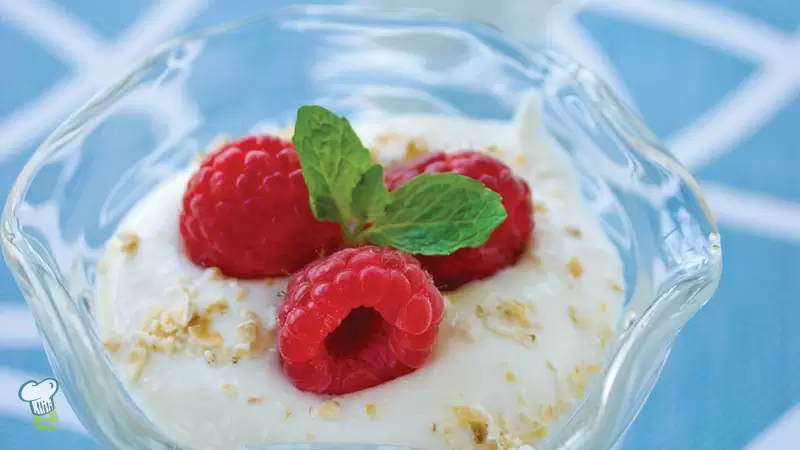
If you’re craving something sweet, here are some diabetes-friendly options:
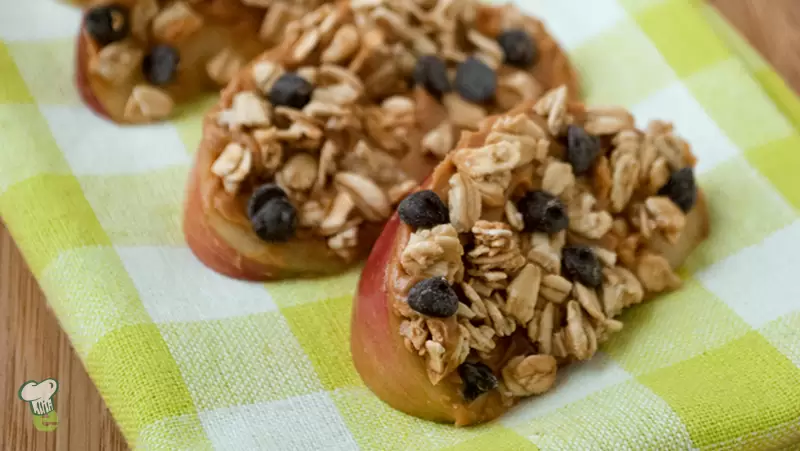
You’ll also find a variety of diabetic desserts and diabetic snack recipes on our site that are designed to be satisfying while still supporting healthy blood sugar levels.
No two people respond to food in exactly the same way. Checking your blood sugar after meals and snacks can help you understand which foods are okay for you to eat and which ones may need to be limited or avoided. A registered dietitian can also be a valuable resource. He or she can help you plan meals, balance carbohydrates, and enjoy a wider variety of foods, including those with sugar, while keeping blood sugar in a healthy range.
(Instant Download)
Sign Up for instant access to your free cookbook plus our most popular quick and healthy recipes!