FREEHealthy 30-Minute Meals
(Instant Download)
Sign Up for instant access to your free cookbook plus our most popular quick and healthy recipes!
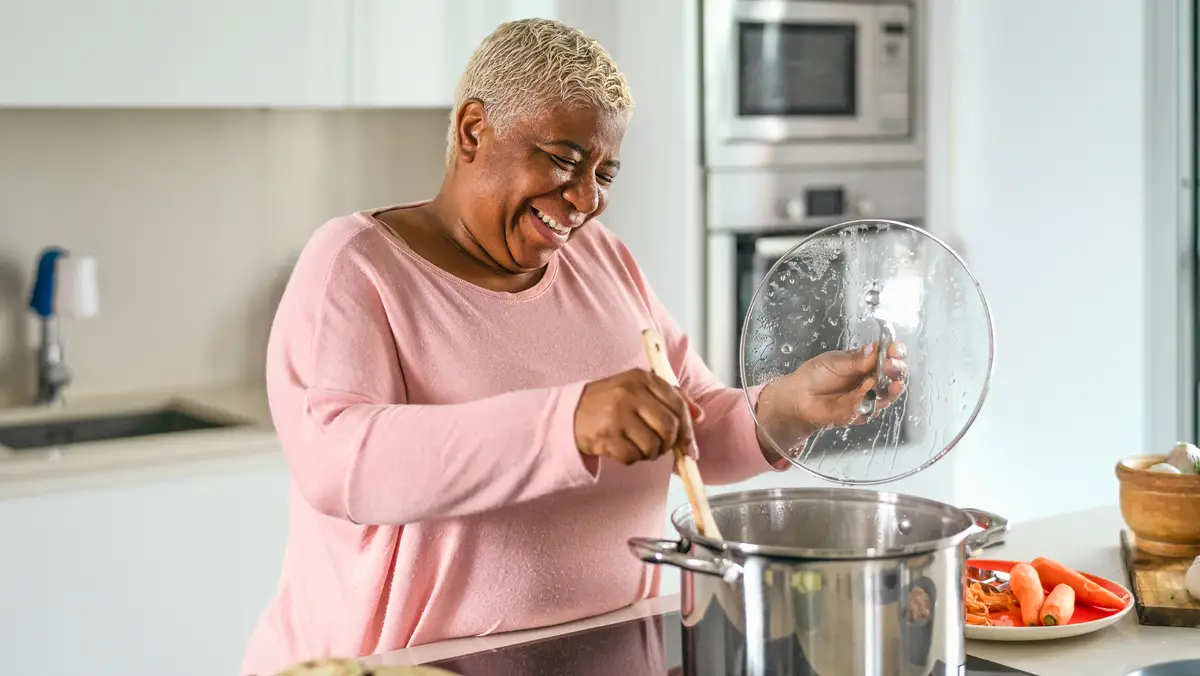
Older adults taking GLP-1 medications like Ozempic, Wegovy, Mounjaro or Zepbound need to pay extra attention to protein, calcium, and vitamin D to protect muscle and bone health while losing weight. Now that Medicare covers these medications for more people, many seniors are starting treatment for the first time — and the nutrition strategy for older adults looks a little different than it does for younger patients.
Here are some nutrition factors that matter most for older adults on a GLP-1 diet, along with tips from our dietitians and GLP-1 recipes that make it easier to put this advice into practice.
GLP-1 medications work in part by suppressing appetite, which is a major driver of their weight-loss and blood-sugar benefits. But eating less also means taking in fewer overall nutrients, and for older adults, that collides with changes that are already underway in the body: slower muscle repair, declining bone density, and a weaker thirst signal. Understanding these overlapping risks is the first step to using GLP-1 medications safely and effectively as you age.
Age-related muscle loss, known as sarcopenia, is a normal part of aging. Combine it with a medication that can reduce food intake by 20–30% or more, and the risk of losing lean muscle — not just body fat — increases significantly. Muscle is what powers everyday movement, from climbing stairs to carrying groceries to getting up from a chair, so preserving it directly protects independence and lowers fall risk.
Research consistently shows that adequate, well-distributed protein intake is one of the most effective ways to preserve muscle mass during GLP-1-driven weight loss. Aim for a protein source such as eggs, poultry, fish, lean meat, Greek yogurt, tofu, beans, or lentils at each meal, plus a protein-rich snack if your appetite allows. Pairing protein with two to three days per week of resistance training (resistance bands, light dumbbells, or bodyweight moves like sit-to-stands) gives your muscles a reason to stay strong.
It's less discussed than muscle loss, but rapid weight loss can also reduce bone mineral density. This is a meaningful concern for older adults, who already carry a higher risk of osteoporosis and fractures. This doesn't mean GLP-1 medications are unsafe, but it does mean that calcium and vitamin D deserve deliberate attention while you're losing weight.
Dairy products, fortified plant-based milks, yogurt, and canned salmon or sardines (with the bones left in) are efficient food sources of calcium. Vitamin D is harder to get from diet alone, so ask your healthcare provider whether a supplement is appropriate, particularly if your sun exposure is limited. Weight-bearing activities like walking, stair climbing, or light resistance work signal to your bones that they're still needed, supporting density alongside nutrition.
Thirst sensation naturally dulls with age, which means many older adults are mildly under-hydrated even before starting a GLP-1 medication. Add potential nausea, vomiting, or diarrhea — common early side effects for some people on GLP-1s — and dehydration risk climbs further.
Rather than waiting until you feel thirsty, build sipping into your day proactively. Watch for early warning signs of dehydration, including dark urine, dizziness, dry mouth, headache, or unusual fatigue. Broths, soups, smoothies, and water-rich produce like cucumber, melon, and citrus all contribute meaningful fluid intake alongside plain water.
Aside from the nutrition tips shared by our dietitians, pay attention to these other factors that may affect your health:
Focusing on meals that pack in protein, fiber, calcium and fluids, even in smaller portions, helps GLP-1 medications work with your body instead of against it. Explore our full GLP-1 recipe library, developed with input from registered dietitians, and get more tips in our GLP-1 diet guide to build a nutrition plan that supports healthy aging alongside weight loss.
GLP-1 medications themselves don't directly cause muscle loss, but the reduced food intake they cause can lead to muscle loss if protein intake and strength training aren't prioritized alongside weight loss.
Needs vary by individual but spreading protein-rich foods across all three meals, rather than concentrating protein into one meal, is generally more effective for preserving muscle than eating the same total amount in fewer sittings. A healthcare provider or dietitian can help determine a personalized target.
Rapid weight loss from any cause, including GLP-1 medications, can reduce bone mineral density. Getting enough calcium and vitamin D, along with weight-bearing exercise, helps protect bone health during weight loss.
Thirst sensation weakens with age, and GLP-1 side effects like nausea or diarrhea can increase fluid loss, making older adults more susceptible to dehydration than younger patients.
(Instant Download)
Sign Up for instant access to your free cookbook plus our most popular quick and healthy recipes!