FREEHealthy 30-Minute Meals
(Instant Download)
Sign Up for instant access to your free cookbook plus our most popular quick and healthy recipes!
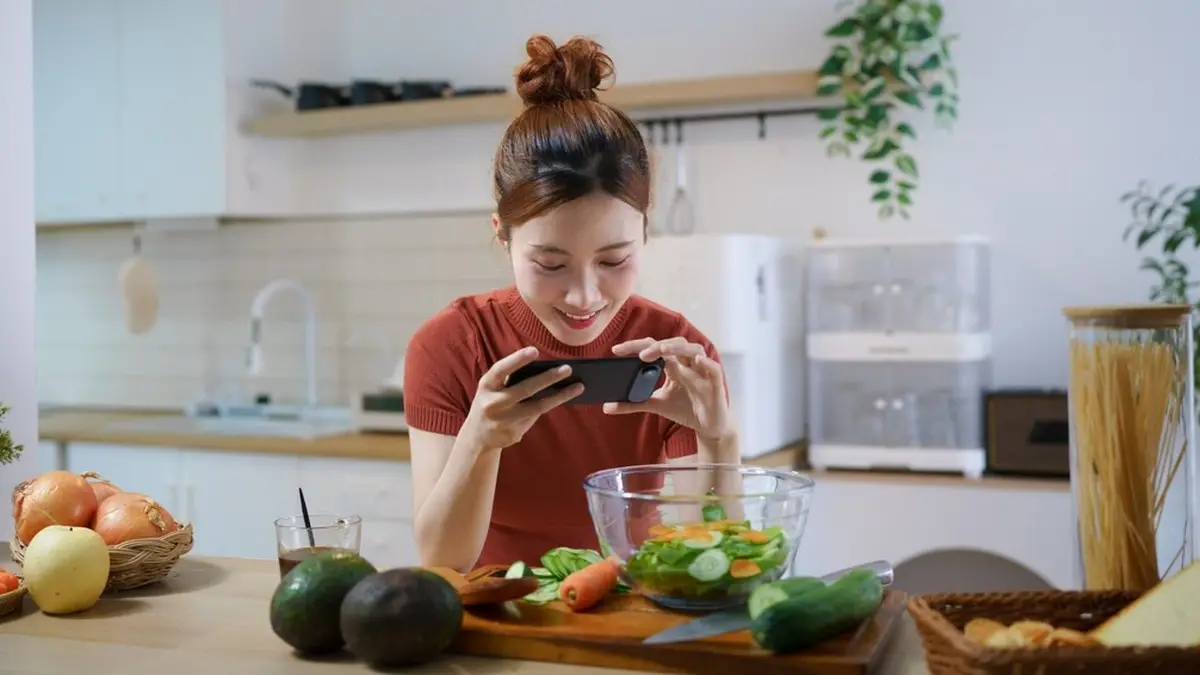
Sharing our lives online has become part of everyday life. We post the exciting moments, our daily habits, and sometimes even the personal parts of our health. Think about the last time you opened social media. Maybe you were looking for a new recipe, catching up with friends, or just scrolling. Chances are you also came across someone sharing something personal, like their weight loss journey.
With medications like Ozempic, Wegovy, Mounjaro, and Zepbound becoming more common, GLP-1 journeys are showing up all over social media. People share everything from their first injection to changes in their appetite, eating habits, and weight. For some, posting is a way to find support, connect with others going through the same thing, and feel less alone. For others, it leads to unwanted opinions, comparisons, and extra pressure.
So, should you share your GLP-1 weight loss journey online? The answer isn't as simple as yes or no.
Sharing something as personal as your health isn't always easy, so it helps to think through a few of the challenges before you hit "post."
One of the biggest challenges is comparison. Social media tends to focus on numbers, progress photos, and big moments, and it rarely shows the whole story.
Weight loss is different for everyone, and GLP-1 medications are no exception. Two people on the same medication can have very different experiences with hunger, side effects, eating habits, and how quickly their weight changes. Weight naturally goes up and down, and plateaus are common. The number on the scale is only one small piece of someone's health.
Posting your progress publicly can also invite opinions and criticism you didn't ask for. Some people say they felt more self-conscious after sharing their weight loss, especially once their weight started to creep back up.
People taking a GLP-1 can also face a specific kind of judgment, sometimes called "Ozempic shaming." It's the idea that using a medication for weight loss is "cheating" or "the easy way out." These comments ignore the fact that obesity is a chronic health condition, and that a medication prescribed by your doctor is a legitimate part of treating it. Hearing them over and over can add to negative feelings about your body and create pressure to look a certain way or stay at a certain number.
Constantly tracking and posting your weight, food choices, and body changes can also affect how you feel about food and your body. For some people, this pressure can lead to unhealthy eating habits or disordered eating. It may be especially hard for anyone who already struggles with body image or their relationship with food. If any of this sounds familiar, talk with your doctor or a registered dietitian about it. You don't have to sort it out on your own.
If you do want social media to be part of your journey, a few simple boundaries can help keep it a positive space:
If you want help figuring out what to eat, how to handle appetite changes, or how to build a nutrition plan that works for you, consider working with a registered dietitian (RD). An RD can help you find an approach that supports your health and fits your lifestyle and personal needs. You can also read our GLP-1 diet guidelines for tips on protein, portions, and managing side effects.
At the end of the day, sharing your GLP-1 journey online can be a great way to find connection and support, as long as it feels good to you. Whether you post every milestone, take part quietly in an online community, or keep your experience completely private, there's no right or wrong way to do this. Your health journey belongs to you. You don't need to prove your progress, compare it to anyone else's, or measure it against what you see on social media.
That's completely up to you. Some people find that photos help them see changes the scale doesn't show, and sharing them feels motivating. Others find that posting photos invites comments they'd rather not deal with. If you like taking progress photos but aren't sure about sharing them, you can keep them private or share them only with a close friend or a small, supportive group.
You don't owe anyone an explanation for a decision you made with your doctor. A short, calm reply, such as "This is part of my treatment plan, and I'm happy with how it's going," is often enough. You can also delete the comment, limit who can comment on your posts, or block accounts that keep making you feel judged.
Online communities can be a great place to swap ideas and encouragement, but advice from other members isn't a substitute for guidance from your healthcare team. Everyone's protein needs, portions, and side effects on a GLP-1 are a little different. Before you make big changes to how you eat, check in with your doctor or a registered dietitian. Our GLP-1 diet guidelines are a good starting point too.
_____________________________
Lydia Bunszel, MS, RD, CDN, is a registered dietitian and nutrition communications specialist who turns nutrition science into clear, practical advice. She creates evidence-based content for food and wellness brands, offers virtual nutrition counseling, and has a background in social media strategy. Lydia earned her master's in nutritional science from Boston University and her bachelor's in dietetics from the University of Vermont.
Connect with Lydia at lydiabunszel.my.canva.site.
(Instant Download)
Sign Up for instant access to your free cookbook plus our most popular quick and healthy recipes!