FREEHealthy 30-Minute Meals
(Instant Download)
Sign Up for instant access to your free cookbook plus our most popular quick and healthy recipes!

If you have kidney disease, you may have been told to watch your sodium intake. This might feel overwhelming because so many foods on grocery store shelves contain added salt. Reducing sodium can be easier than you might think, though, and it doesn't mean your meals have to be tasteless or boring!
With kidney problems, your body may struggle to remove excess sodium and fluid. Eating large amounts of sodium can contribute to fluid retention and higher blood pressure, which can place stress on your kidneys. Many people with chronic kidney disease are advised to limit their daily sodium intake to less than 1,500 to 2,000 mg, but your individual goal may vary. Talk with your physician or renal dietitian to determine what is appropriate for you. Sodium is one of several nutrients a renal diet manages, and our guide to the kidney-friendly diet explains how it fits together with potassium, phosphorus, and protein.
One of the simplest ways to lower your sodium intake is to eat foods that are naturally low in sodium. Examples include fresh or frozen fruits and vegetables, lean meats like chicken, fish, and turkey, and whole grains like rice and oats. They are great choices when prepared without added salt.
Fresh or frozen fruits, vegetables, and meats are often better than processed or packaged versions, which may contain added salt. Check labels on frozen foods, as some may contain salt or sauces that raise sodium levels.
If your doctor has also asked you to limit potassium or phosphorus, some of these foods will fit your plan better than others. Our kidney-friendly diet guide covers which fruits, vegetables, and proteins are lower in both.
Another way to cut back on sodium is by making a few small swaps for foods you use regularly.
Garlic powder, onion powder, paprika, black pepper, rosemary, basil, oregano, and parsley can all add flavor. Lemon and lime juice or zest can also take a meal's flavor up a notch. Salt-free seasoning blends are another convenient way to make a dish tastier without increasing sodium. For more ideas, see our list of spices and herbs that lower blood pressure naturally.
Salt substitutes are a different product from salt-free seasonings. Many of them replace sodium chloride with potassium chloride, which can be unsafe when your kidneys have trouble clearing potassium. Check with your care team before using one.
Canned vegetables can be a convenient way to get more vegetables into your diet, but they often contain added salt. Look for cans labeled "no salt added." Draining and rinsing can also help remove some of the sodium.
Broth is often used in soups, sauces, and casseroles, so choosing an unsalted version can make a big difference in the overall sodium. Add herbs and spices to increase flavor when using low sodium broth. Some reduced-sodium broths and soups replace salt with potassium chloride, so read the ingredient list if you're also watching potassium.
Ketchup, mustard, soy sauce, and other condiments may contain more salt than you might expect, so compare labels to find choices with less per serving. These are often labeled as "no salt added" or "lower sodium." Our low sodium diet guide explains what each sodium claim on a label means.
When making a sandwich with deli meat, look for options labeled "lower sodium" and compare brands to find the one with the lowest amount. While you're reading the label, check the ingredient list too. Many processed meats contain phosphate additives, which show up as ingredients with "phos" in the name, such as sodium phosphate.
Cooking at home makes it easier to control how much sodium goes into your meals. Each of these recipes was developed by the Health eCooks team of chefs and dietitians, and every recipe page lists potassium and phosphorus along with sodium, so you can see how a dish fits your own plan. You'll find more ideas in our full collection of renal diet recipes.
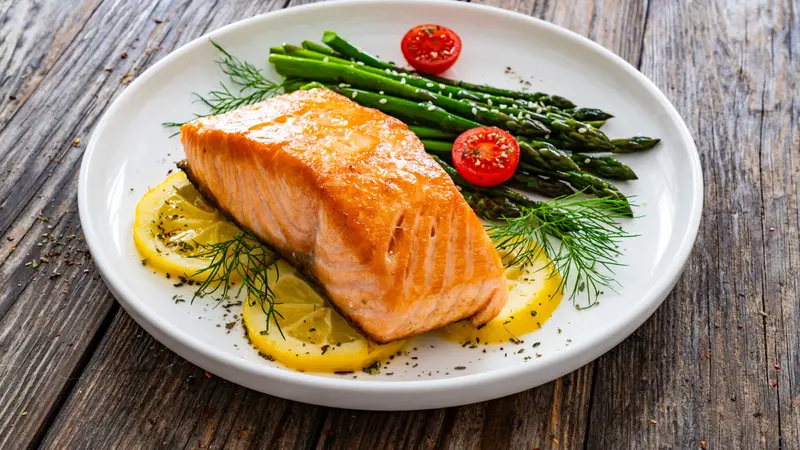
Per serving: 209 mg sodium, 427 mg potassium, 268 mg phosphorus
This salmon gets its bright flavor from lemon, dill, garlic, and olive oil in place of added salt. Great for kidneys and heart health alike, it also provides omega-3 fats.
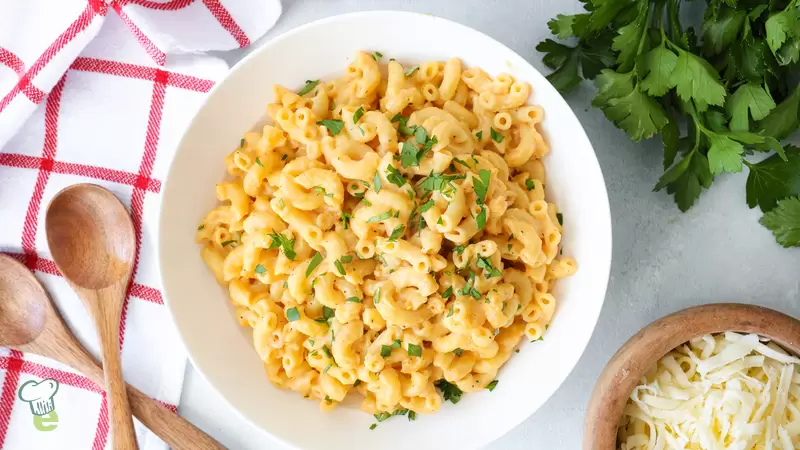
Per serving: 31 mg sodium, 208 mg potassium, 62 mg phosphorus
You still get the rich, creamy texture you crave, with the lowest sodium of any recipe on this list. Instead of relying on salt, it gets plenty of flavor from Swiss cheese (one of the naturally lower sodium cheeses), dry mustard, and nutritional yeast.
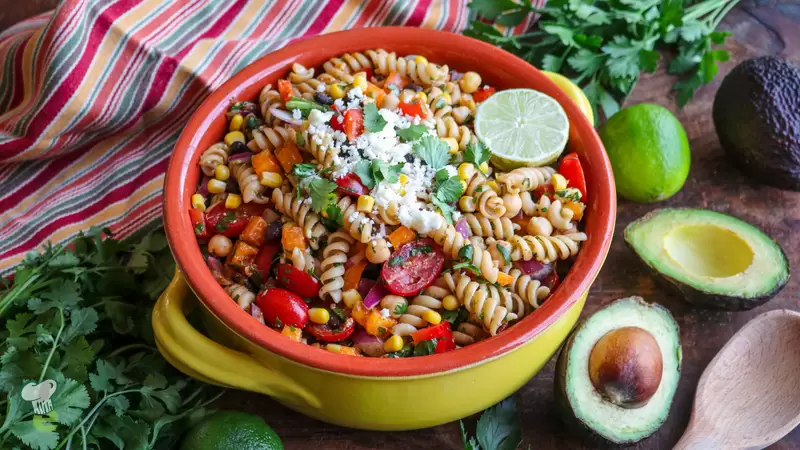
Per serving: 31 mg sodium, 208 mg potassium, 62 mg phosphorus
You still get the rich, creamy texture you crave, with the lowest sodium of any recipe on this list. Instead of relying on salt, it gets plenty of flavor from Swiss cheese (one of the naturally lower sodium cheeses), dry mustard, and nutritional yeast.
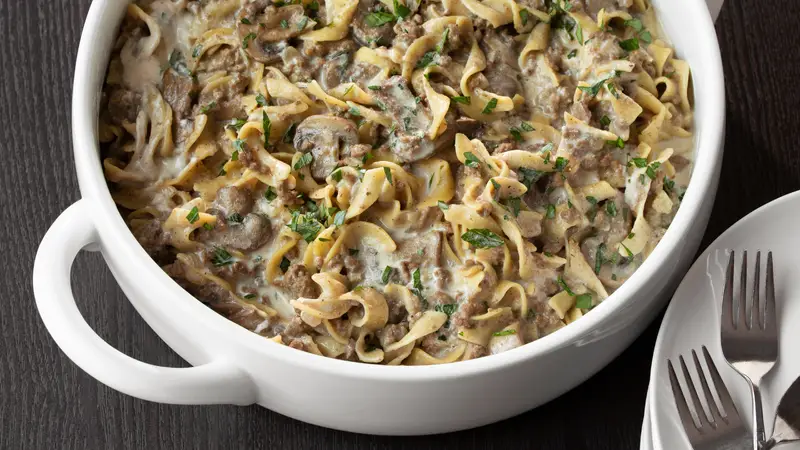
Per serving: 237 mg sodium, 470 mg potassium, 275 mg phosphorus
This stroganoff is a lighter version of the classic dish. Using unsalted broth and Greek yogurt keeps the rich taste without traditional ingredients that can be higher in sodium and phosphorus, so it's creamy and flavorful without overloading on salt.

Per serving: 118 mg sodium, 519 mg potassium, 339 mg phosphorus
A crispy parmesan and panko crust, garlicky green beans, and juicy tomatoes make this a kidney-friendly take on a popular restaurant dish. Restaurant meals are often high in sodium, and making a favorite like this one at home lets you decide how much salt goes in.

Per serving: 147 mg sodium, 364 mg potassium, 164 mg phosphorus
Eggs, quinoa, spinach, mushrooms, peppers, and zucchini come together in a veggie-packed breakfast. It's flavored by herbs and vegetables rather than added salt, and it uses no salt added cottage cheese, which makes it a low sodium breakfast option for people with kidney disease.

Per serving: 88 mg sodium, 260 mg potassium, 259 mg phosphorus
Greek yogurt, fresh blueberries, and oats come together in a breakfast that's both delicious and gentle on kidneys.
Many people with chronic kidney disease are advised to stay under 1,500 to 2,000 mg of sodium a day. The 2024 international kidney care guidelines (KDIGO) suggest less than 2,000 mg a day for people with CKD. Your own target can depend on your stage of kidney disease, your blood pressure, and whether you're on dialysis, so confirm your number with your physician or renal dietitian.
Not always. Many salt substitutes replace sodium with potassium chloride. When your kidneys aren't filtering well, potassium can build up in your blood and affect your heart rhythm. Ask your care team before using a salt substitute. Herbs, spices, citrus, and salt-free blends that don't list potassium chloride on the label are a simpler place to start.
Draining and rinsing canned vegetables and beans removes some of the sodium, but not all of it. For the biggest difference, start with cans labeled "no salt added" and rinse them as well.
Not necessarily. Depending on your stage of kidney disease, you may also need to watch potassium, phosphorus, and protein. That's why our renal diet recipes list all three alongside sodium. Your renal dietitian can help you decide which numbers matter most for you.
_______________________________________
Allyson Courson, MS, RDN, LDN, CDN, is a registered dietitian nutritionist at Sarah Lynn Nutrition, where she helps clients turn nutrition science into practical, everyday eating strategies. Her background includes chronic disease nutrition, therapeutic meal planning, and diabetes education, including two years as a diabetes educator at Children's of Alabama. She holds a master's degree in nutrition sciences from the University of Alabama at Birmingham.
Learn more about Allyson at Sarah Lynn Nutrition.
(Instant Download)
Sign Up for instant access to your free cookbook plus our most popular quick and healthy recipes!