FREEHealthy 30-Minute Meals
(Instant Download)
Sign Up for instant access to your free cookbook plus our most popular quick and healthy recipes!
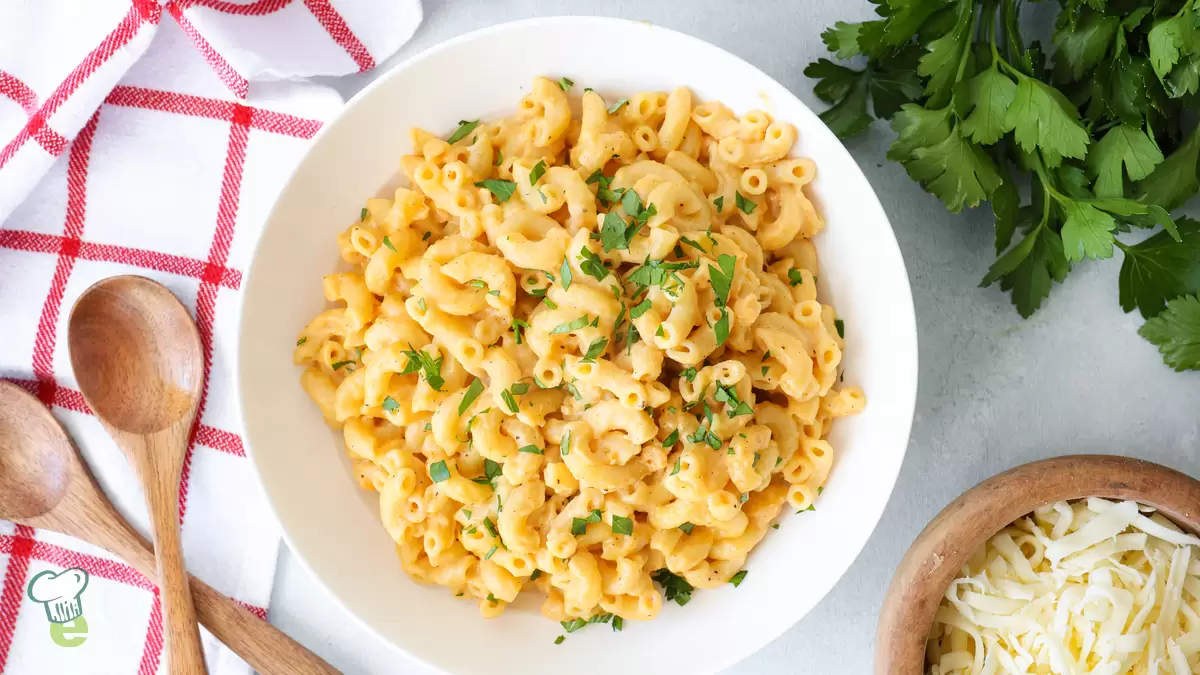
If you have high blood pressure, you might think macaroni and cheese is off limits. Traditional boxed versions are sodium bombs, often packing over 600mg per serving. The good news? You can enjoy this comfort food on a low sodium diet by making it yourself.
This homemade Low Sodium Mac and Cheese slashes the salt to just 31mg per serving without sacrificing the gooey, creamy texture you crave. By swapping the salt shaker for flavor-packed Swiss cheese, dry mustard, and nutritional yeast, you get a rich, savory sauce that tastes indulgent, but keeps your heart health on track.
If you love this healthy comfort food, be sure to browse our full collections of healthy pasta and low sodium recipes for more delicious, heart-healthy dinner and side dish ideas.
This recipe proves that “low sodium” doesn’t have to mean “bland.” By building a roux with olive oil and using naturally flavorful ingredients like Swiss cheese and garlic, we create a lush, creamy sauce that relies on culinary technique rather than salt for its bold taste.
(Instant Download)
Sign Up for instant access to your free cookbook plus our most popular quick and healthy recipes!
Yes! While store-bought boxes are very high in salt, this homemade version has only 31mg of sodium per serving, making it perfectly suitable for a low sodium lifestyle.
It depends on the ingredients. Traditional recipes using salted butter, regular cheddar, and salt can be high. However, by using Swiss cheese, unsalted butter, and spices for flavor, homemade mac and cheese can be extremely low in sodium.
To reduce saltiness, avoid salted butter and high-sodium cheeses like feta or parmesan. Instead, boost flavor with garlic, onion powder, dry mustard, paprika, black pepper, and nutritional yeast. Acidity, like a squeeze of lemon juice or a dash of vinegar, can also brighten flavors without adding salt.
You can use potassium-based salt substitutes if your doctor approves them, but this recipe is designed to be flavorful enough using herbs, spices, and aromatics so you don't need to rely on fake salt.
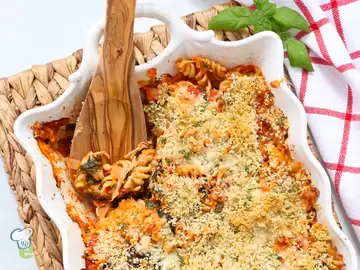
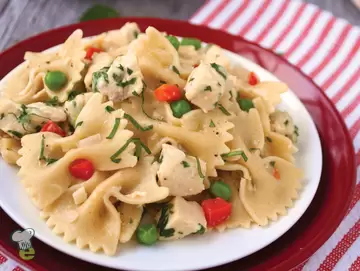
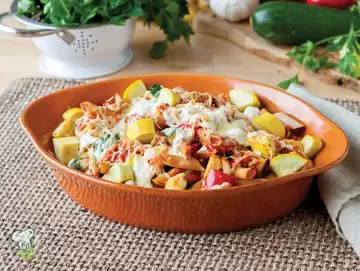
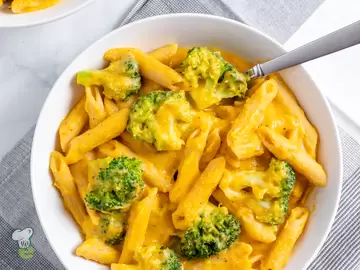
Discover more ways to enjoy cheesy comfort food while sticking to your heart-healthy diet. These low-sodium mac and cheese recipes offer delicious twists, from baked casseroles to slow cooker favorites, without the excess salt.
Craving pasta night without the sodium spike? Browse our collection of heart-healthy pasta dishes, featuring rich sauces and hearty ingredients that prove you don't need salt for flavor.
If you haven’t cooked with nutritional yeast (often called "nooch") before, it is a game-changer for low sodium cooking. It is a deactivated yeast that has a naturally nutty, cheesy, and savory flavor profile—often described as "umami." It mimics the savory punch of parmesan cheese but with zero sodium, making it the perfect secret weapon for this sauce.
Recipe yields 8 servings
Bring a large pot of lightly salted water to a boil. Cook the pasta to al dente according to package directions. Drain into a colander and set aside.
While the pasta is cooking, heat the butter and olive oil in a small saucepan over medium-low heat until the butter is melted. Add the minced garlic and cook until fragrant, about 30 seconds. Using a wooden spoon, stir in the flour, dry mustard, garlic powder, smoked paprika and black pepper; cook for 30 seconds.
Stir in milk, about a ¼-cup at a time, making sure milk is fully incorporated after each addition. Bring mixture to a boil and cook for 1 minute, stirring constantly.
Add the nutritional yeast, Swiss cheese and cream cheese into the milk mixture. Cook until the cheese is fully melted and the sauce is smooth and creamy. Add the cooked macaroni and stir to fully coat the pasta with the cheese sauce. Serve warm garnished with chopped parsley.
Since this dish is rich and creamy, it pairs perfectly with lighter sides or lean proteins.
We use Swiss cheese because it is naturally very low in sodium. If you prefer a sharper taste, you can use a low-sodium sharp cheddar, though the sodium count may rise slightly.
1% milk works best for a balance of creaminess and health, but skim milk can be used for a lighter sauce, or 2% for a richer one. Unsweetened almond milk or oat milk can work for a dairy-free base, though the flavor profile will change.
Any short pasta shape works well. Elbow macaroni is classic, but shells, cavatappi, or penne are great options. You can also use whole wheat or legume-based pasta for extra fiber.
Swap the all-purpose flour for a gluten-free 1-to-1 baking flour and use your favorite gluten-free pasta.
Indulge in creamy, cheesy pasta dishes that are surprisingly heart-healthy and low in sodium. These comforting recipes use smart ingredient swaps to deliver the rich texture you love while keeping your salt intake in check.