
FREEHealthy 30-Minute Meals
(Instant Download)
Sign Up for instant access to your free cookbook plus our most popular quick and healthy recipes!
Thinking about eating less meat? Or maybe you already follow a vegetarian diet and want to make sure you’re doing it in a healthy way? Either way, understanding vegetarian diet guidelines can help you build balanced meals that fuel your body and taste great.
A vegetarian diet can be full of color, flavor, and nutrition. But like any eating pattern, it works best when it’s planned with care. Here’s what you need to know, from the team of Health eCooks dietitians, about what counts as vegetarian and how to meet your nutrient needs. Also get tips for creating satisfying vegetarian recipes at home.
A vegetarian diet focuses on plant-based foods and leaves out meat. That means no beef, pork, poultry, or seafood. However, there are a few different types of vegetarian eating patterns:
Most vegetarian diet guidelines are based on the idea that plant foods should make up the foundation of your meals. That includes vegetables, fruits, whole grains, beans, lentils, nuts, seeds, and plant-based oils.
According to the Academy of Nutrition and Dietetics, well-planned vegetarian diets can support good health at every stage of life. Research also shows that plant-based eating patterns may help lower the risk of heart disease, high blood pressure, type 2 diabetes, and certain cancers.
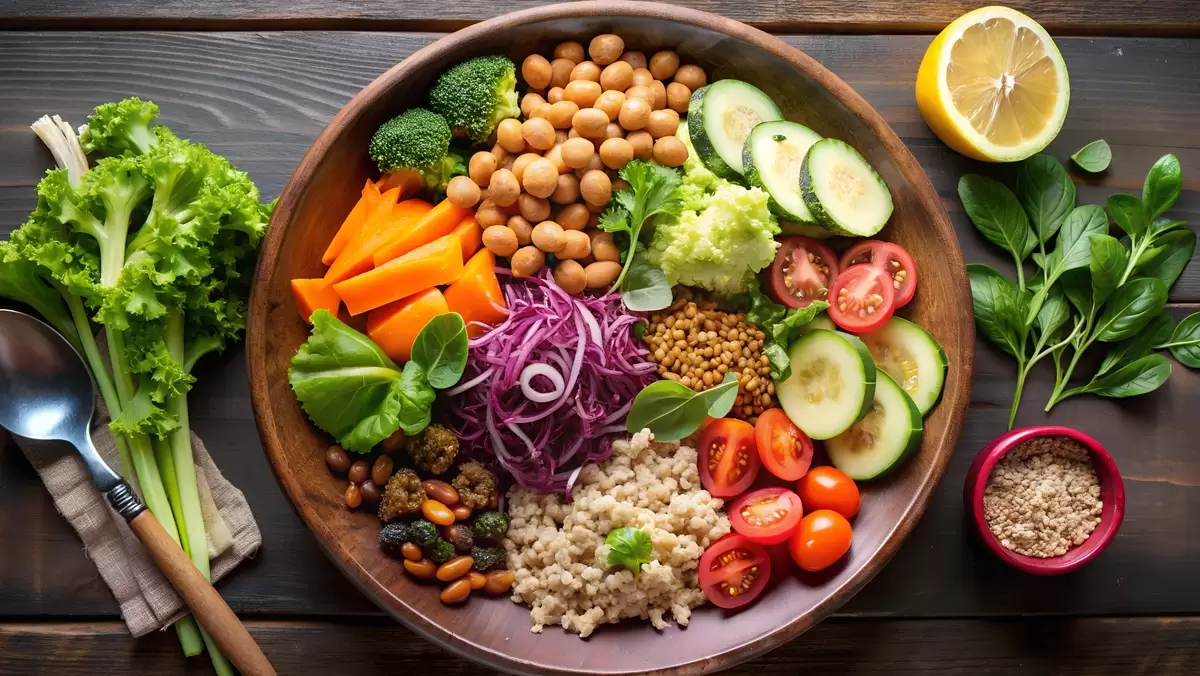
Just because a food is meat-free doesn’t automatically make it healthy. One common mistake with a vegetarian diet is relying too much on refined carbs like white pasta, white bread, and snack foods. Instead, focus on balanced eating. A healthy vegetarian plate should include:
Protein is often the biggest concern people have about vegetarian diets. The good news is that many plant foods provide protein. Beans, lentils, tofu, and dairy products are all excellent options. Spreading protein throughout the day helps support muscle health and keeps you feeling full.
While a vegetarian diet can be very healthy, there are a few nutrients to pay extra attention to:
Creating satisfying vegetarian recipes doesn’t have to be complicated. A few simple strategies can make a difference in the healthfulness of your vegetarian meals:
At Health eCooks, our vegetarian recipes are built around plant-based ingredients while focusing on balanced nutrition. A healthy vegetarian diet recipe should:
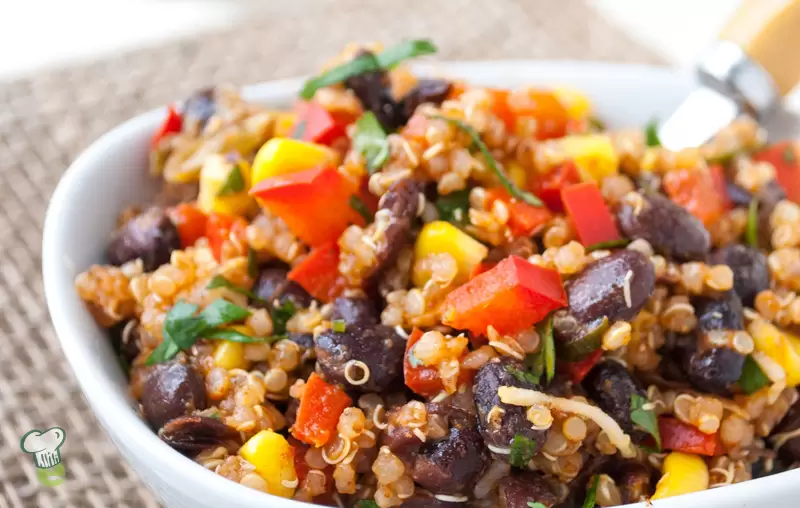
For example, a hearty bowl of lentil soup, a quinoa salad with black beans and colorful vegetables, or a veggie-filled frittata can all fit seamlessly into a vegetarian diet.
A well-planned vegetarian diet can be nutritious, delicious, and filling. By focusing on whole plant foods, including reliable protein sources, and paying attention to key nutrients, you can create vegetarian recipes that support long-term health.
Whether you’re fully vegetarian or simply trying to eat more plant-based meals, following vegetarian diet guidelines can become a delicious and sustainable way to eat.
Here are some healthy vegetarian recipes from the Health eCooks Test Kitchen to try:
(Instant Download)
Sign Up for instant access to your free cookbook plus our most popular quick and healthy recipes!