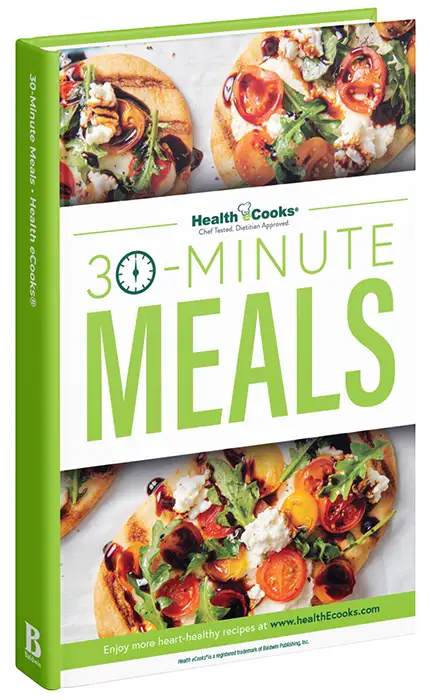
FREEHealthy 30-Minute Meals
(Instant Download)
Sign Up for instant access to your free cookbook plus our most popular quick and healthy recipes!
If you’re taking a GLP-1 medication for weight loss, it can be a challenge figuring out what to eat when you’re just not hungry! These simple recipes and nourishment tips for GLP-1 diets make it easier to get all the vitamins and protein your body needs, even when you don’t feel like eating.
GLP-1 medications work for weight loss because they slow down digestion and tell your brain you’re already full. But if you’re not hungry, you may not eat enough, or sometimes forget to eat at all. That’s why tasty foods high in nutrition and easy recipes are essential to keep your GLP-1 nutrition on track. After all, when you don’t feel hungry, delicious foods might tempt you to eat.
The Health eCooks chefs and registered dietitians have selected some of our best and tastiest recipes to support nutritious eating and help you stay healthy on your weight loss journey. On a GLP-1 nutrition plan, you need to choose foods that give you plenty of protein, vitamins and minerals in a small portion. Stocking your pantry with nutritious ingredients and using simple recipes that are easy to prepare will help you eat well when you don’t have much appetite.
GLP-1 nutrition has been in the news because Ozempic, Wegovy, and other GLP1 medications work so well that some people aren’t eating enough healthy foods to meet their bodies’ needs. Taking simple steps to ensure you’re eating nutritious foods will help you steer clear of any problems. With a simple GLP-1 eating plan built on nutritious ingredients and yummy GLP-1 recipes from Health eCooks, you can enjoy a healthy diet that will keep you on track.
To stay healthy while losing weight, follow these GLP-1 nutrition guidelines to ensure your body gets exactly what it needs to thrive.
Protein is the most important part of your GLP-1 diet. It protects muscle mass and keeps your metabolism running. Aim for a protein source at every single meal, including high protein snacks such as Greek yogurt, lean chicken, tofu, or eggs.
Slowed digestion can sometimes lead to dehydration. Adding electrolytes to your water can help maintain energy levels. Sip throughout the day so there is room in your stomach for nutrient-dense food. If you’re feeling nauseous, sipping on a nutritious drink like one of our GLP-1 smoothies may go down easier than eating solid food.
When you’re eating less food, you need to choose more carefully: this is the core of a successful GLP-1 nutrition plan. Instead of "empty" calories like white bread or sugary snacks, choose "powerhouse" foods like berries, leafy greens, and seeds that pack vitamins into small portions.
If you still find it hard to meet 100% of your nutrition needs, talk to your healthcare provider about choosing a multivitamin or supplements to help prevent malnutrition on GLP-1s.
To help you stay healthy on your GLP-1 medication and prevent vitamin deficiencies, the talented chefs and dietitians at Health eCooks have developed a GLP1 meal plan specifically designed for a reduced appetite. These high protein meals are small in volume but massive in flavor and nutrition.
To fuel your morning when food doesn’t appeal, simple and protein-dense foods like eggs are your friend, or spoon out small portions of oatmeal enriched with fruit or veggies. Try these GLP1 Breakfast ideas:

These bite-sized muffins are packed with high-quality lean protein, which helps preserve your muscles on a GLP-1 diet. They’re portable and small, making it easy to meet your protein goals without feeling overwhelmed by a large plate of food.
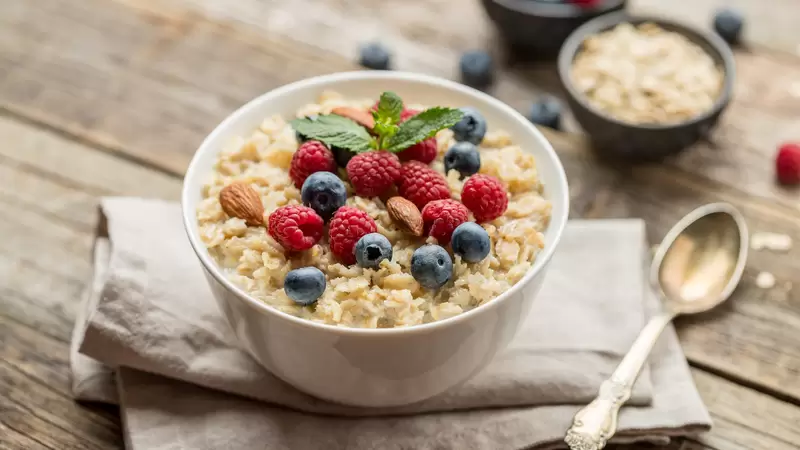
Oatmeal provides slow-digesting complex carbohydrates and soluble fiber, which helps stabilize blood sugar. Berries add antioxidants and micronutrients in a small, comforting portion.
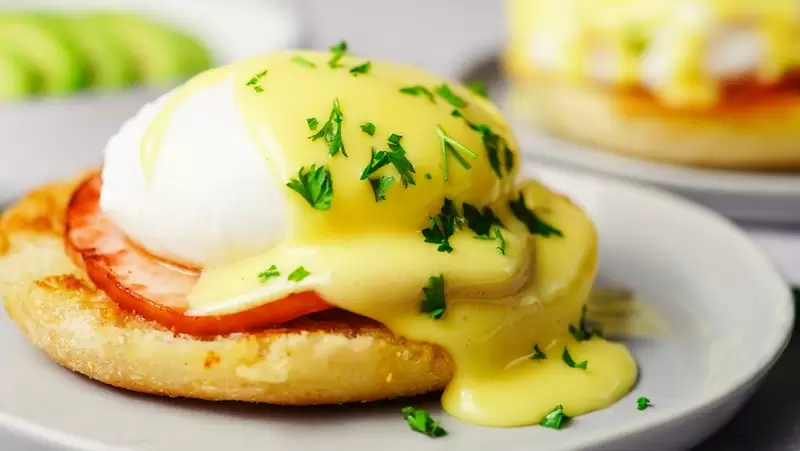
This version of a classic provides high-quality fats and protein. It is a calorie-efficient way to start the day with the essential building blocks your body needs for repair and energy.
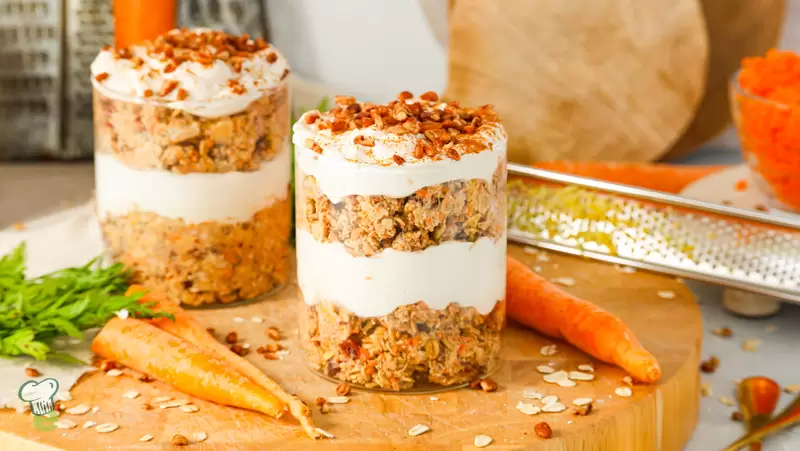
These oats include vegetables and fiber-rich grains, offering a "hidden" serving of vitamins. Because they are prepared ahead of time and served cold, they may be easier to eat if you don’t find food very appetizing in the morning.
On days when you have little or no appetite, slowly sipping a nutritious drink can help you get extra nutrients (and hydration) without weighing you down. Choose a cold, frosty smoothie or a warm, comforting broth for a light GLP1 Lunch.
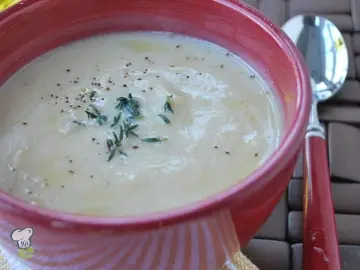
Pureeing a nutritious soup and sipping it from a cup is another great choice. GLP1 soup recipes are an easy introduction to a get your body adjusted to a weight loss plan.
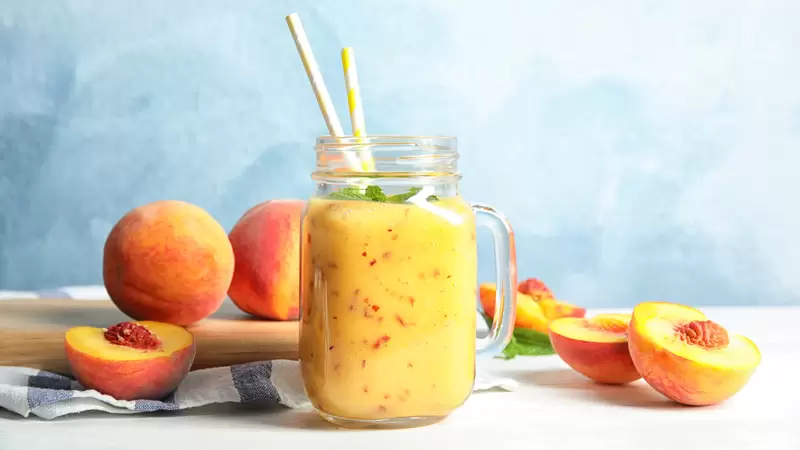
This smoothie is refreshing and hydrates you while delivering fiber and essential vitamins from fresh fruit. It’s a flavorful drink that is easy on the digestive tract, helping you get antioxidant support even when you’re not very hungry.

Bone broth provides collagen and amino acids in a soothing, liquid form. It helps maintain hydration and electrolyte balance without the bloating you might get from high-sodium processed soups.
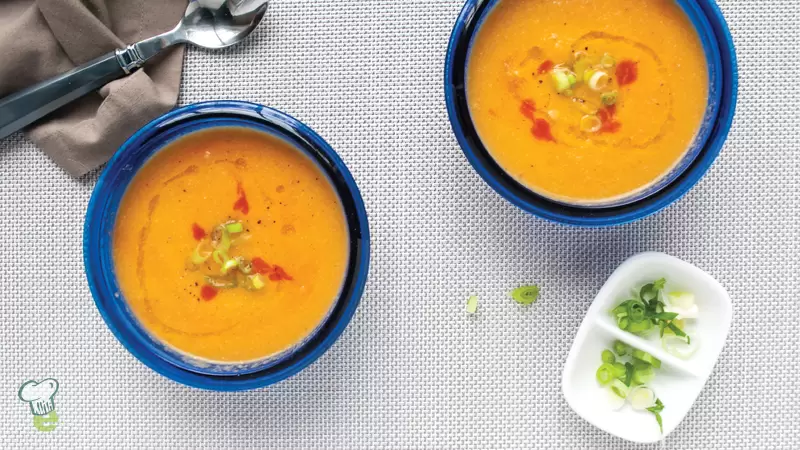
This soup uses aromatic spices like ginger and chili, which can help entice your taste buds and aid digestion. Pureeing the soup allows you to sip a concentration of vitamins and minerals in a small, manageable serving.
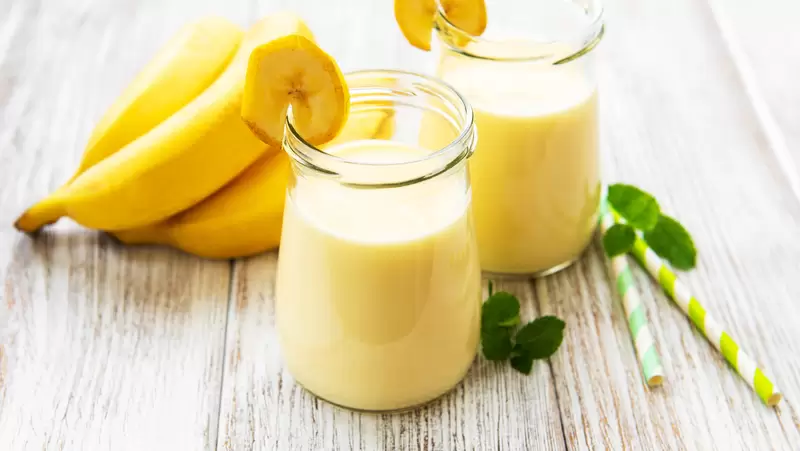
Combining potassium-rich bananas with a protein base, this smoothie offers a balanced macro profile. It’s an ideal meal replacement that provides sustained energy levels through a smooth, easy-to-digest texture.
Your favorite comfort food classics may tempt you to eat when you’re not feeling much appetite, and these high-protein GLP1 dinner recipes deliver extra nutrition in a small portion. Plan in advance and make a batch of delicious high protein meal plan recipes that include lean proteins and healthy vegetables to help you meet your nutritional needs.
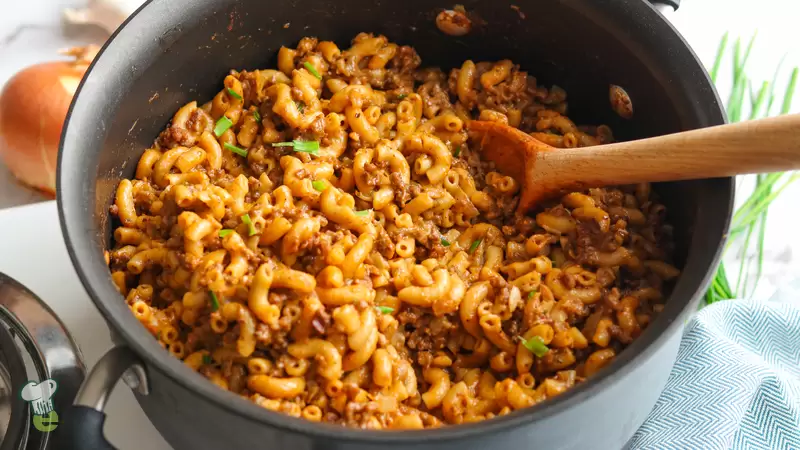
This recipe swaps traditional heavy ingredients for leaner proteins and whole grains. It allows you to enjoy familiar flavors in a nutrient-dense format that prioritizes protein to keep you feeling full and nourished.
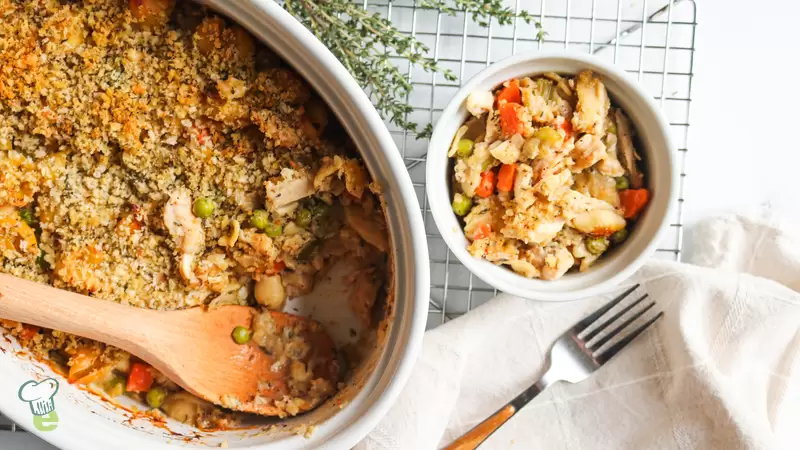
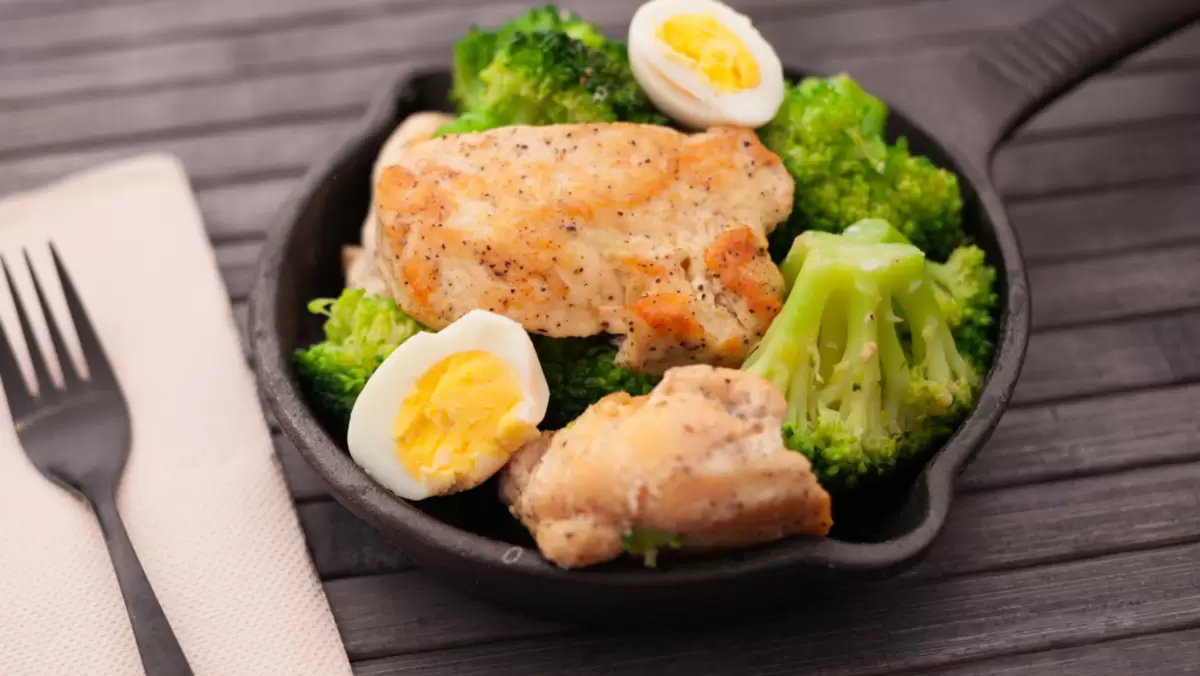
By focusing on lean chicken and a high volume of vegetables, this casserole delivers essential vitamins and amino acids. It provides the comfort of a warm meal while remaining efficient in its calorie-to-nutrient ratio.
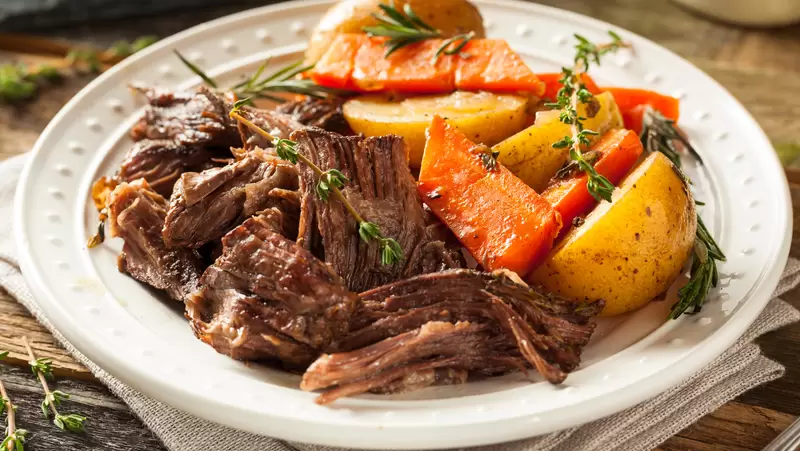
Slow-cooked beef is tender and easy to digest, providing a rich source of iron and B vitamins. Keeping the sodium low prevents water retention, making this a clean, high-protein meal that supports metabolic health.
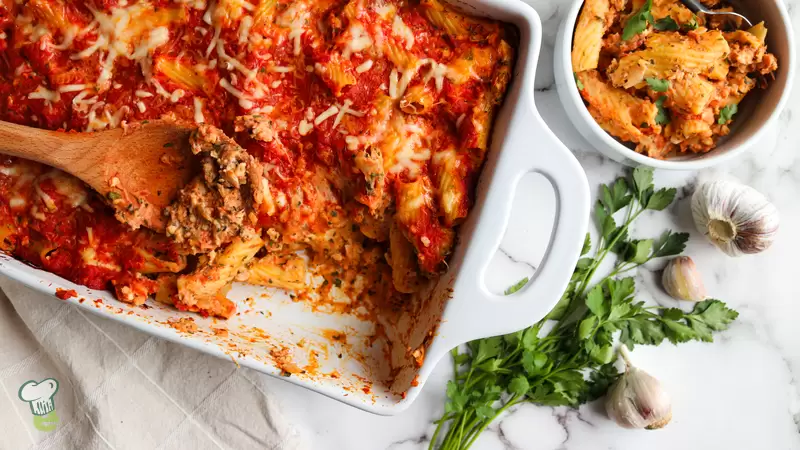
This version uses protein-enriched pasta and lean ground chicken to ensure that every bite contributes to muscle maintenance. It’s an efficient way to enjoy a hearty meal while hitting high protein targets in a smaller portion size.
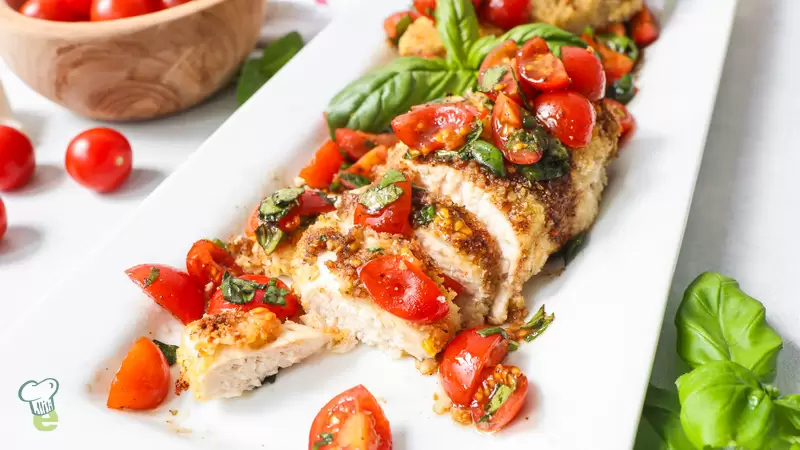
This dish tops lean poultry with fresh tomatoes and herbs, providing high-quality protein alongside lycopene and vitamin C. It is a light, nutrient-dense meal that provides maximum flavor and nutrition without heavy fats.
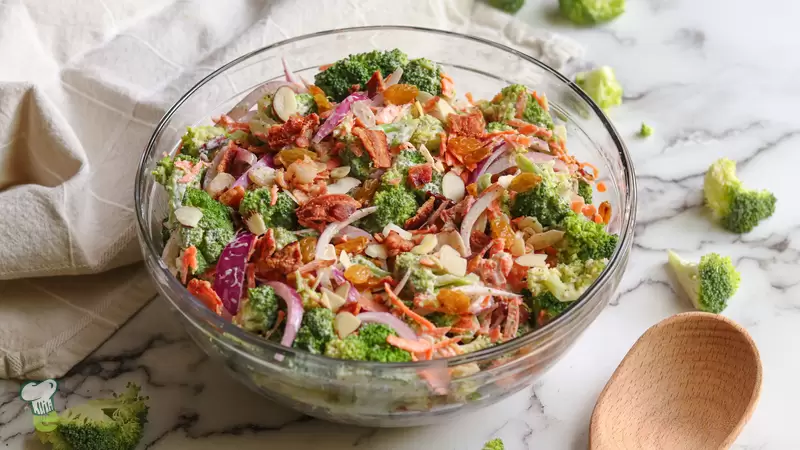
This salad is a powerhouse of fiber and cruciferous vegetable nutrients. The addition of small amounts of protein ensures that you are getting a spectrum of vitamins (A, C, and K) in a high-efficiency, crunchy format.
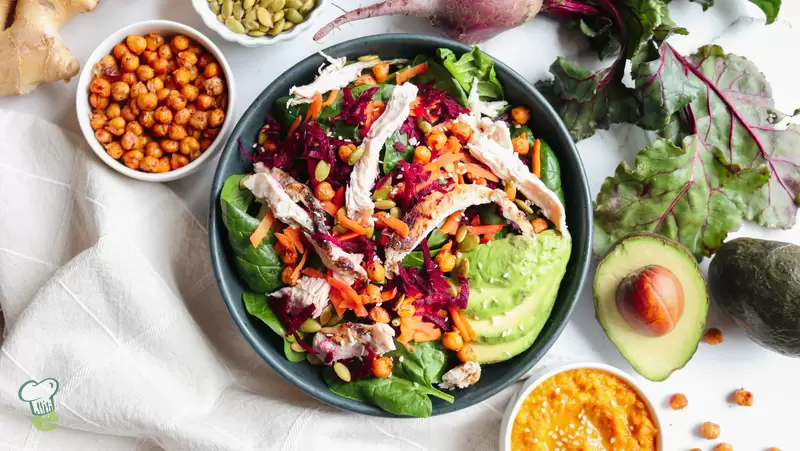
This salad uses a variety of colorful vegetables and lean chicken to provide a broad range of phytonutrients. It is an excellent high-volume, low-calorie option that ensures you are meeting your vitamin needs during weight loss.
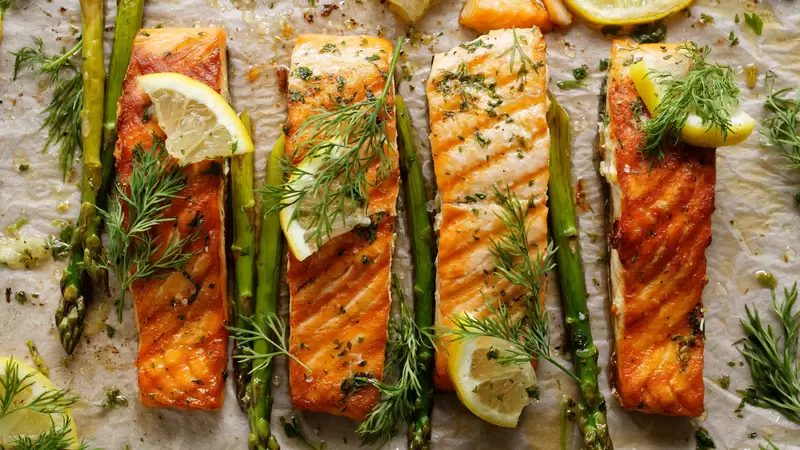
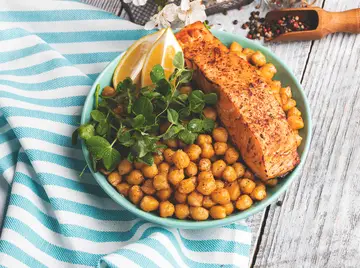
Salmon provides essential Omega-3 fatty acids for heart and brain health, while asparagus offers prebiotic fiber. This is one of the most nutrient-dense pairings possible, offering high efficiency for every calorie consumed.
Tempt your taste buds with these healthy dressings to pour over salads for weight loss, or to dip cut veggies (and also add a few extra vitamins)!
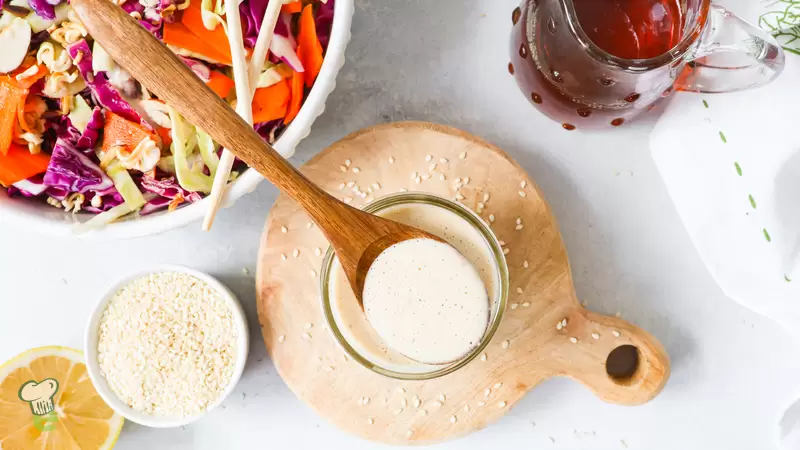
Tahini is rich in healthy fats and minerals like magnesium. Adding this dressing to greens increases the absorption of fat-soluble vitamins (A, D, E, K), making your meal more nutritionally efficient.
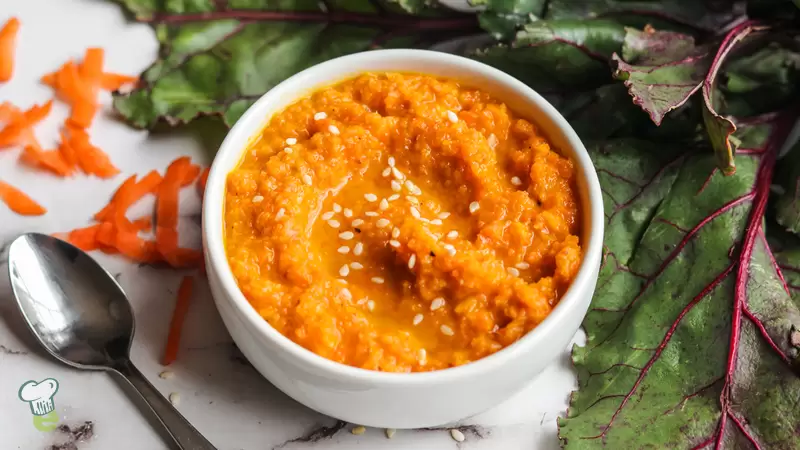
This dressing uses fresh vegetables as a base, adding vitamins and anti-inflammatory ginger to your salad. It’s a great way to make small portions of vegetables more appealing and easier to digest.
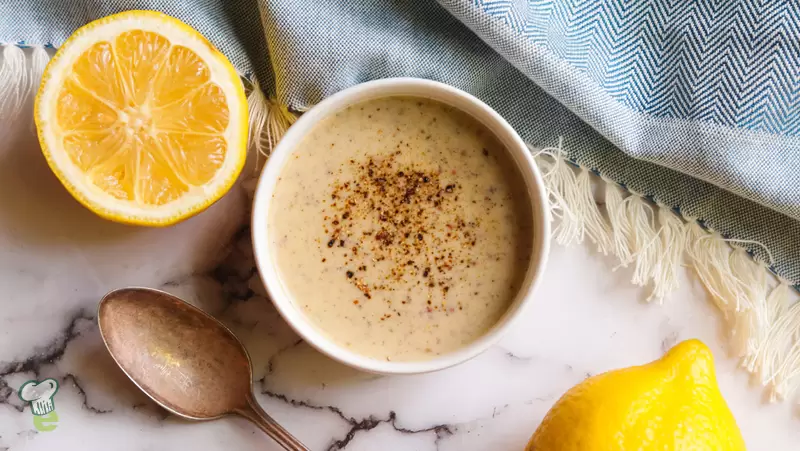
The acidity of the lemon can help stimulate digestion and brighten the flavor of simple proteins. It provides a hit of vitamin C and antioxidants without the heavy preservatives found in store-bought dressings.
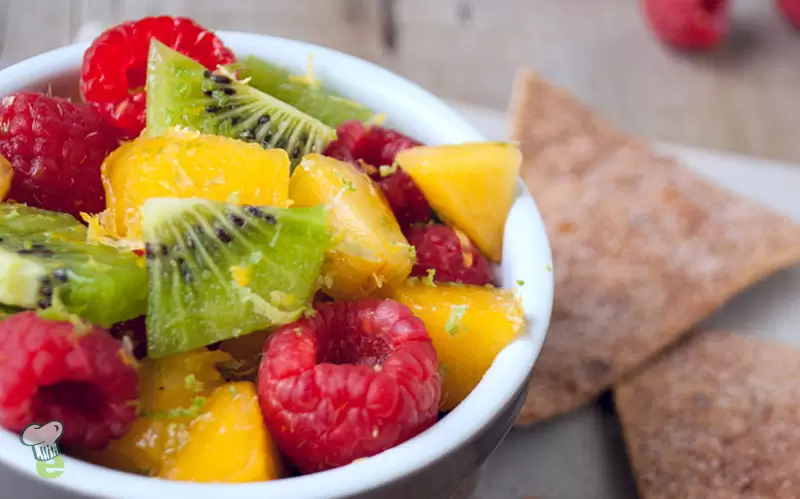
This salsa provides a dense concentration of fruit-based vitamins and fiber. It serves as a light, hydrating way to add micronutrients to your day in a format that feels like a treat rather than a chore.
A little sweet treat can lift your mood, and these tasty GLP1 snacks with protein also deliver a healthy dose of nutrition to keep you going.
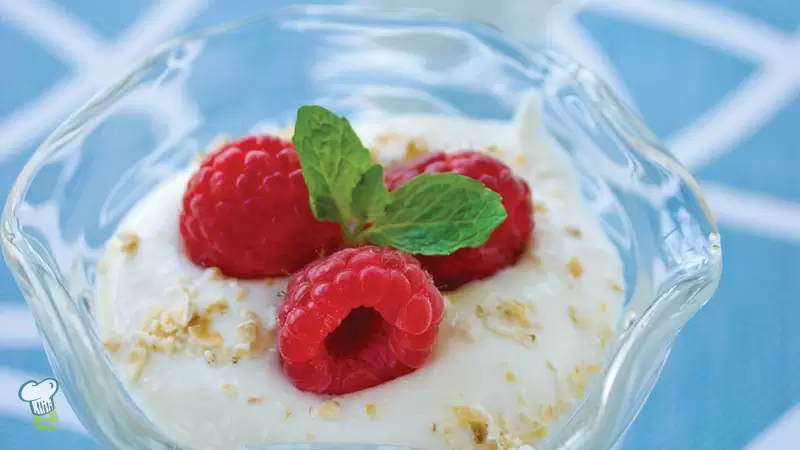
This snack layers probiotic-rich yogurt with fiber-dense raspberries, supporting both gut health and protein needs. It’s a sweet treat that provides nutritional value in every spoonful.
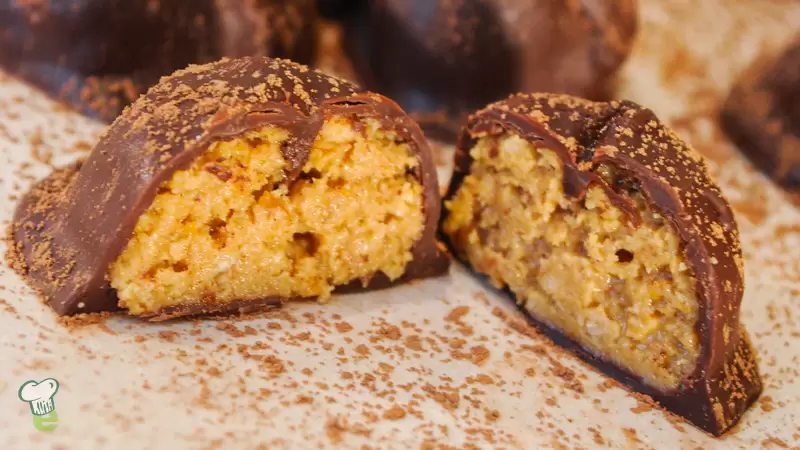
These truffles are a concentrated source of healthy fats and protein in a very small package. They’ll give you a dense hit of energy and satisfaction when you only want to eat a few bites.
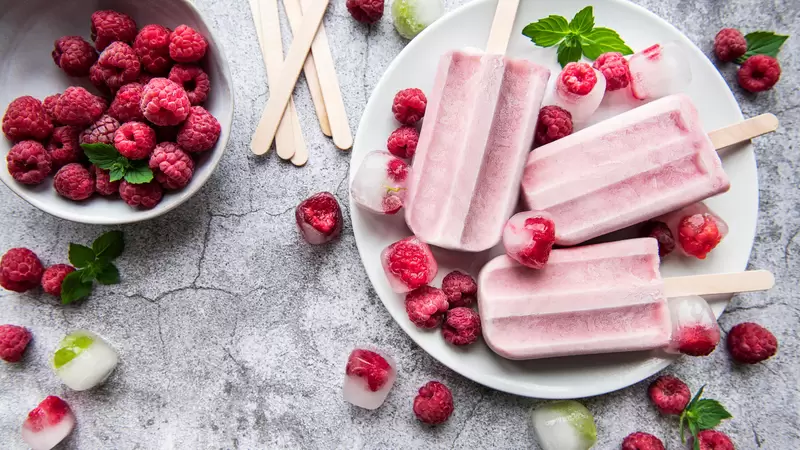
These frozen popsicles are perfect for when you’re experiencing nausea or low appetite. The cold temperature is soothing, and the protein content helps support your muscles during weight loss.

Made with protein powder and healthy binders, these balls are a balanced snack that stabilizes blood sugar. The cinnamon adds flavor without sugar, making them a "clean" way to curb cravings.
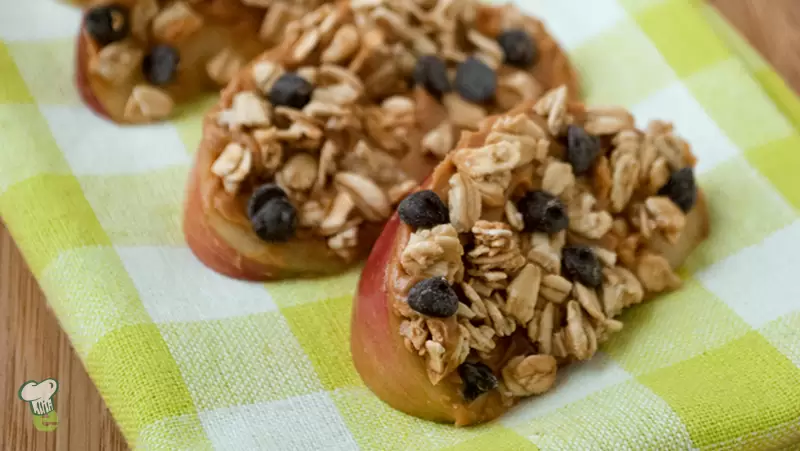
This classic pairing balances the fiber of the fruit with the protein and healthy fats of the peanut butter. It is a simple, nutrient-dense snack that provides a satisfying crunch and long-lasting energy.
Fill your pantry with these healthy ingredients to make GLP-1 meal prep easier. When you have convenient, nutritious foods right in your kitchen, it’s easier to make yourself eat something quickly.
Managing your health on a GLP-1 medication is a marathon, not a sprint. By focusing on GLP-1 nutrition, you ensure that the "new you" is not just thinner, but stronger and more vibrant. Always listen to your body, and if you feel consistently weak or tired, consult a registered dietitian to adjust your GLP-1 nutrition plan. Making every bite count with nutritious eating is the key to long-term success.
(Instant Download)
Sign Up for instant access to your free cookbook plus our most popular quick and healthy recipes!