FREEHealthy 30-Minute Meals
(Instant Download)
Sign Up for instant access to your free cookbook plus our most popular quick and healthy recipes!
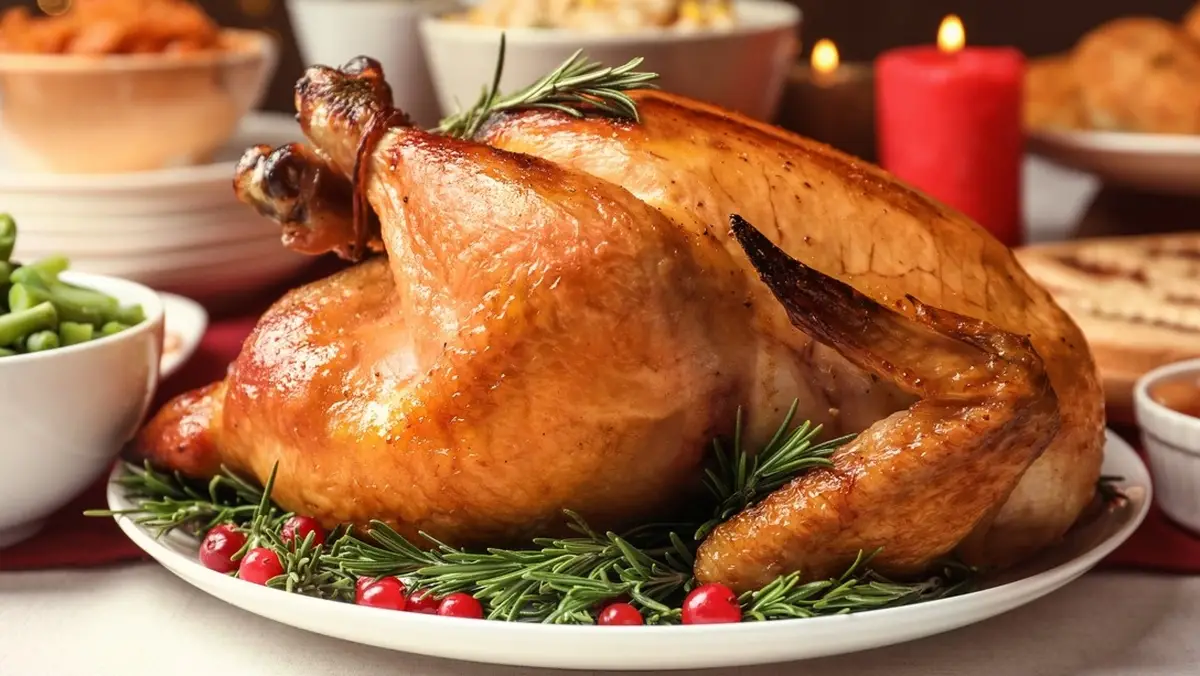
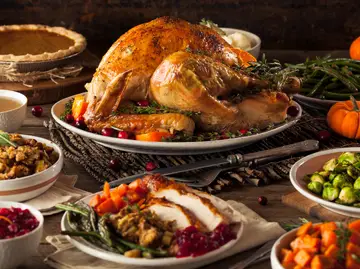
Holidays are built around food, and that's a big part of what makes them special. But if you're living with chronic kidney disease (CKD), a table full of mashed potatoes, glazed ham, and pumpkin pie can feel more stressful than festive. You might wonder what you can actually eat, or whether you'll spend the whole meal doing math in your head.
As a renal dietitian, I want you to know that you can enjoy every holiday on a kidney-friendly diet. It just takes a little planning and the right recipes. The dishes in this collection were developed by our team of chefs and dietitians and tested in the Health eCooks Test Kitchen. Each one lists sodium, potassium, and phosphorus per serving, so you can see exactly how it fits your plan.
We've started with Christmas and Hanukkah, then added favorites for Thanksgiving and Easter, so you can come back to this list all year long. If you're new to eating for your kidneys, our guide to the kidney-friendly diet explains which foods to enjoy and which to limit.
Nervous about how you're going to navigate a day that revolves around a big meal? A few simple habits can help you relax and enjoy it:
Most of all, remember that one holiday meal won't undo all your hard work. Enjoy the food, enjoy the people, and get back to your usual routine the next day.
Christmas dinner can be just as festive on a renal diet. These recipes cover everything from the main course to Christmas morning breakfast and a sweet treat for the cookie tray.

Per serving (4 oz pork, 2 Tbsp sauce): 202 calories, 32 g protein, 135 mg sodium, 437 mg potassium, 222 mg phosphorus
If you want a Christmas main that practically cooks itself, this is it. The pork tenderloin simmers low and slow with Dijon mustard, thyme, garlic, red wine, and unsalted chicken stock until it's fork-tender, which frees up your oven (and your afternoon) for everything else. It's a great alternative to holiday ham, with only 135 mg of sodium per serving. If you're limiting protein, a 3-ounce portion of pork is a better fit than the full 4 ounces.

Per serving (4 meatballs): 200 calories, 21 g protein, 183 mg sodium, 383 mg potassium, 236 mg phosphorus
Swedish meatballs are a Christmas party classic, and this version is made with lean ground turkey and warmed up with a pinch of allspice and nutmeg. Serve them on toothpicks for a holiday open house, or spoon them over noodles for a cozy Christmas Eve dinner.
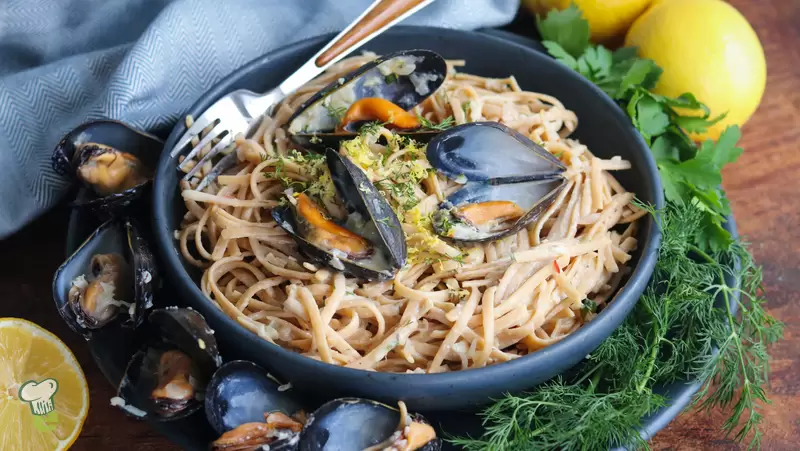
Per serving (1 cup mussels, 3/4 cup pasta): 476 calories, 45 g protein, 568 mg sodium, 409 mg potassium, 279 mg phosphorus
Many families celebrate Christmas Eve with the Feast of the Seven Fishes, and this pasta makes a beautiful addition. Tender mussels are steamed with white wine, shallots, and garlic, then tossed with pasta in a bright, creamy lemon sauce. It's a hearty dish, so it works well as the main event. With 45 grams of protein per serving, it's also on the higher side, so if you're on a protein restriction, keep your portion of mussels to about 1/2 cup.

Per serving (1/3 cup): 35 calories, 2 g protein, 12 mg sodium, 139 mg potassium, 34 mg phosphorus
Every holiday plate needs something green. These crisp-tender green beans are tossed with a little unsalted butter and garlic, then finished with toasted almond slices for crunch. With just 12 mg of sodium, they're an easy side to pair with any main dish on this list.
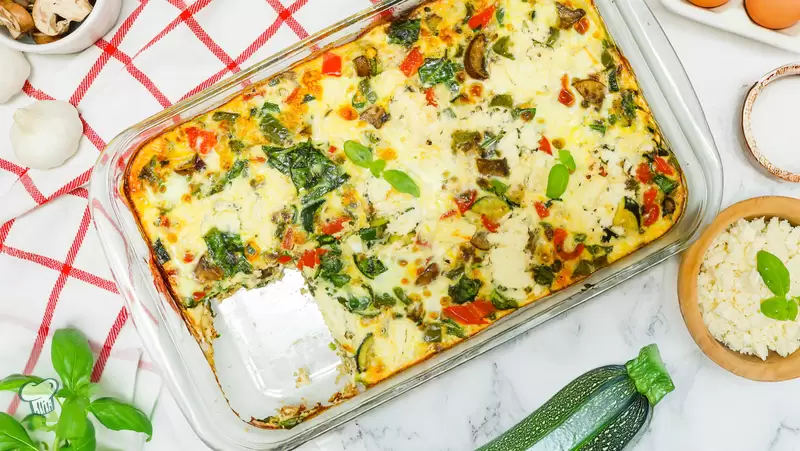
Per serving (1/2 cup): 132 calories, 11 g protein, 147 mg sodium, 364 mg potassium, 164 mg phosphorus
Christmas morning is busy enough without standing at the stove. Assemble this egg casserole the night before, then pop it in the oven while everyone opens presents. A mix of eggs and egg whites keeps the phosphorus in check, while red onion, garlic, and oregano add lots of flavor. (Don't worry about the whole eggs, either. Your body only absorbs about half of the phosphorus naturally found in eggs, so they can still fit into a renal diet.)
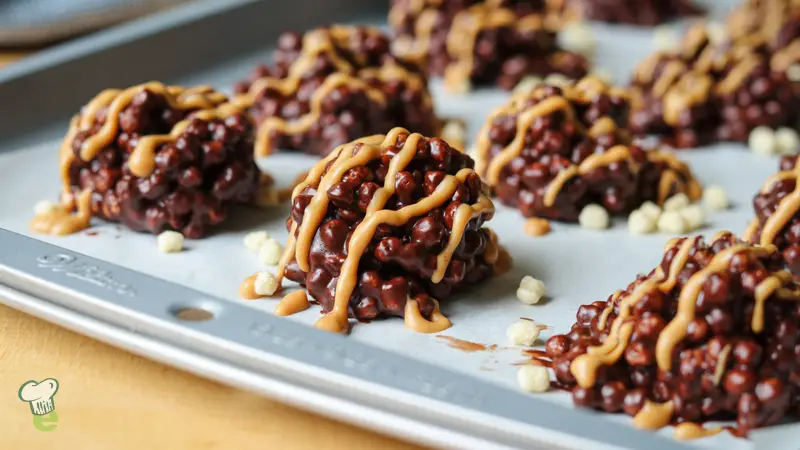
Per serving (2 cookies): 130 calories, 3 g protein, 30 mg sodium, 155 mg potassium, 38 mg phosphorus
Chocolate is one of the trickier holiday treats on a renal diet, but these little crisps let you enjoy it in a satisfying, portion-friendly way. Toasted puffed quinoa is coated in melted dark chocolate and a touch of peanut butter, then chilled until crunchy. Add them to your Christmas cookie tray!
Hanukkah celebrates the miracle of oil, which is why fried foods like latkes are such a big part of the festival. These recipes keep the traditions you love while being a bit gentler on your kidneys. If you keep kosher, note that the latkes and crepes are dairy dishes and the beef stew and chicken soup are meat dishes, so plan to serve them at separate meals.

Per serving (2 pancakes): 311 calories, 13 g protein, 367 mg sodium, 495 mg potassium, 221 mg phosphorus
Classic latkes are made with potatoes, which are very high in potassium. These golden pancakes use grated zucchini instead, and they're still crispy on the outside and tender in the middle. The recipe calls for a dollop of fat-free sour cream and fresh dill on top, but if you're watching your potassium and phosphorus closely, skip the sour cream. These latkes are already on the higher side for both, partly because the self-rising flour contains leavening (see the FAQ on baking powder and baking soda for more on that).

Per serving (2 1/2 Tbsp): 47 calories, 0 g protein, 1 mg sodium, 99 mg potassium, 12 mg phosphorus
No plate of latkes is complete without applesauce! This homemade version takes just 3 ingredients (apples, honey, and cinnamon), and apples are one of the best low potassium fruits you can choose. Make a big batch so you have plenty for all 8 nights.

Per serving: 248 calories, 24 g protein, 225 mg sodium, 549 mg potassium, 198 mg phosphorus
If your family loves a slow-braised brisket for Hanukkah dinner, this hearty stew gives you that same rich, comforting flavor. Tender beef sirloin simmers with carrots, celery, and onion, and turnips stand in for the usual potatoes to keep the potassium lower.
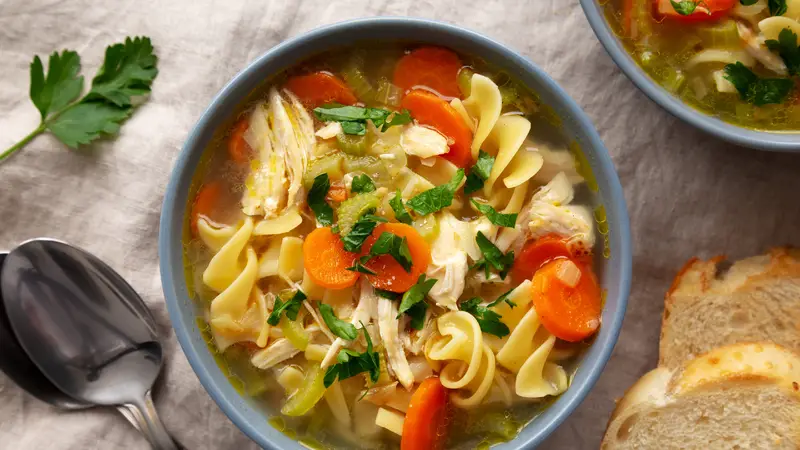
Per serving (about 1 1/2 cups): 228 calories, 22 g protein, 260 mg sodium, 440 mg potassium, 205 mg phosphorus
A warm bowl of chicken soup is comfort food for so many families, especially on a cold winter night. This one is made with unsalted chicken broth, so it has a fraction of the sodium of canned soup, and it's packed with tender chicken, egg noodles, and vegetables. If you're on a fluid restriction, fill your bowl mostly with the chicken, noodles, and vegetables, and go light on the broth.

Per serving (1 crepe): 87 calories, 4 g protein, 51 mg sodium, 99 mg potassium, 82 mg phosphorus
Thin, delicate crepes are a lovely way to end a Hanukkah meal. Fill them with a spoonful of the homemade applesauce or fresh berries and roll them up like blintzes. At under 100 mg of potassium each, they're one of the lightest treats in this collection.
Thanksgiving might be the most food-focused holiday of the year, but you can still enjoy a full plate. These recipes cover the turkey, the stuffing, the gravy, and two classic casseroles. For even more ideas, take a look at our heart-healthy Thanksgiving menu.

Per serving (4 oz turkey): 205 calories, 33 g protein, 286 mg sodium, 379 mg potassium, 316 mg phosphorus
A whole turkey can be a lot for a small gathering, and a turkey breast cooks faster and is easier to carve. It roasts with garlic and a little unsalted butter until golden and juicy, and fresh-roasted turkey is a much better fit for a renal diet than processed deli or pre-brined birds. If you're on a protein restriction, stick to a 3-ounce portion.

Per serving (3/4 cup): 143 calories, 5 g protein, 363 mg sodium, 263 mg potassium, 182 mg phosphorus
Boxed stuffing mixes are often loaded with sodium, so making your own is one of the best swaps you can make on Thanksgiving. Toasted bread cubes are mixed with sautéed onion, carrots, celery, and herbs, then baked until golden on top. You can even assemble it up to 2 days ahead.
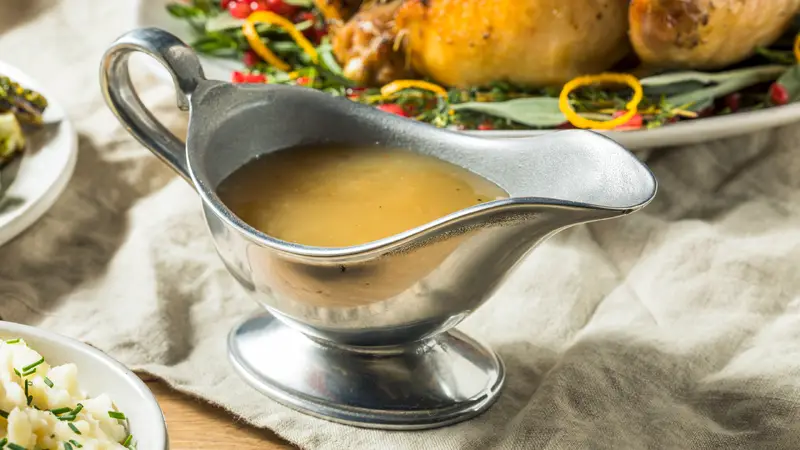
Per serving (1/4 cup): 96 calories, 7 g protein, 93 mg sodium, 106 mg potassium, 58 mg phosphorus
Jarred gravy and gravy packets can add a surprising amount of sodium to your plate. This homemade gravy is smooth, rich, and flavorful, with just 93 mg of sodium per serving. Spoon it over your turkey and stuffing without a second thought.
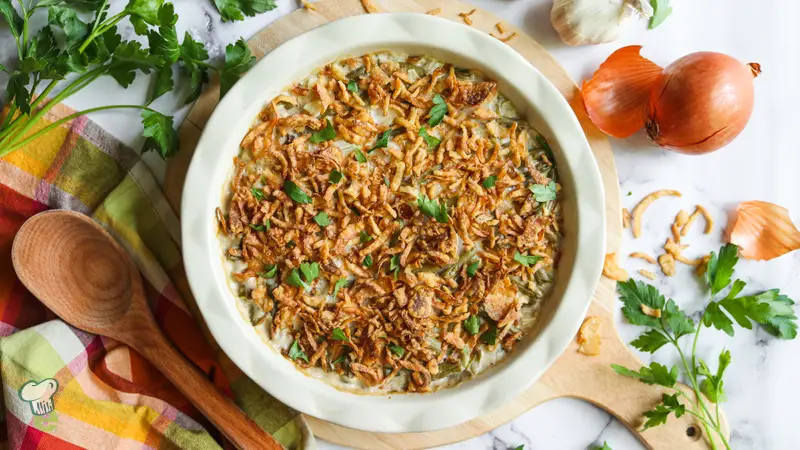
Per serving (1/2 cup): 91 calories, 2 g protein, 84 mg sodium, 133 mg potassium, 32 mg phosphorus
Green bean casserole is a must at many Thanksgiving tables, but the canned soup in the classic version is high in sodium. This kidney-friendly take uses unsalted cream of mushroom soup and no-salt-added green beans, and it keeps the creamy texture and crunchy topping everyone loves, with only 84 mg of sodium and 32 mg of phosphorus per serving.
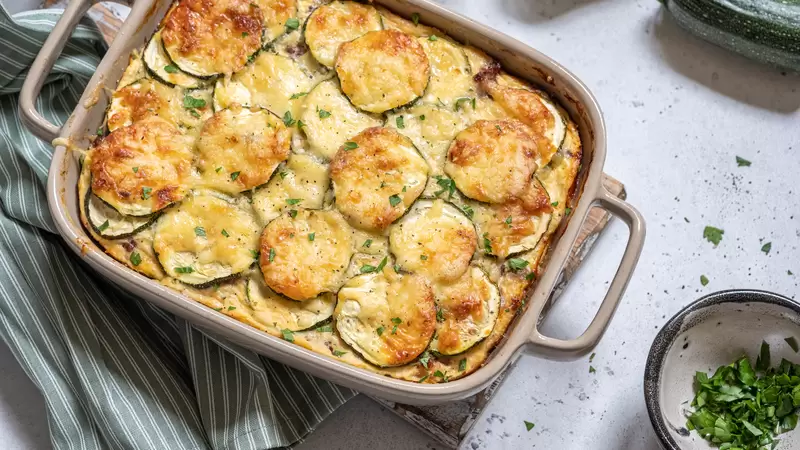
Per serving (1/2 cup): 102 calories, 5 g protein, 67 mg sodium, 174 mg potassium, 78 mg phosphorus
This cheesy, golden casserole is a Southern holiday favorite. It's also a great side to make in place of sweet potato casserole, which is much higher in potassium. Bake it alongside the stuffing, and you'll have two comforting sides ready at the same time.
Easter brunch and dinner are often centered on ham, which is high in sodium. These recipes give you a fresh, springtime menu that's easier on your kidneys.
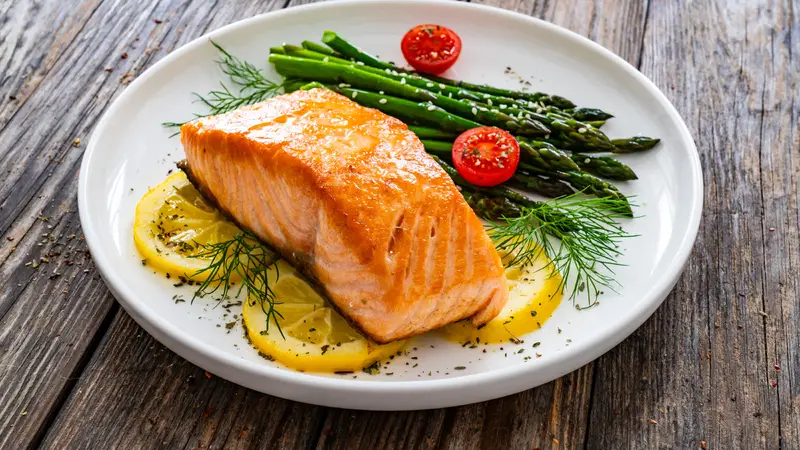
Per serving (1 fillet): 271 calories, 23 g protein, 209 mg sodium, 427 mg potassium, 268 mg phosphorus
Salmon is a beautiful centerpiece for a spring holiday meal, and this recipe couldn't be simpler. The fillets bake with olive oil, fresh lemon juice and zest, dill, and garlic until flaky. Serve them with lemon wedges and fresh dill sprigs for a pretty presentation.
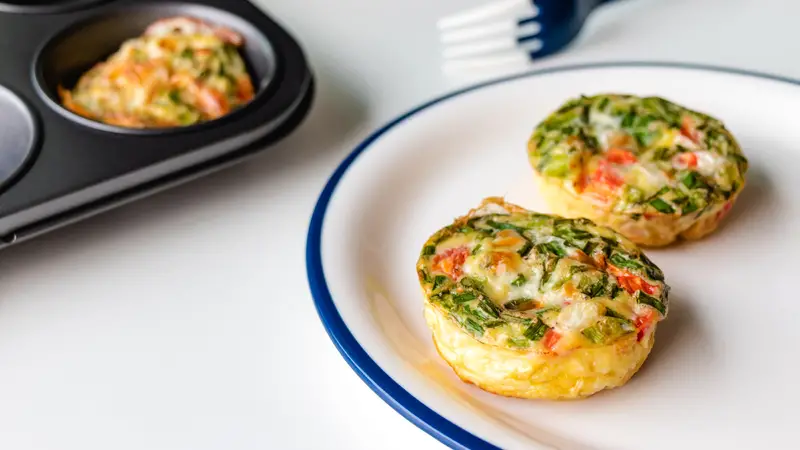
Per serving (2 bites): 40 calories, 8 g protein, 150 mg sodium, 128 mg potassium, 12 mg phosphorus
Egg whites are a great source of protein that's naturally low in phosphorus, which makes these fluffy little bites perfect for an Easter brunch buffet. Colorful bell peppers, onion, chives, and parsley are folded into every bite, and guests can grab a couple as they come and go.

Per serving (1/4 cup): 55 calories, 1 g protein, 68 mg sodium, 158 mg potassium, 20 mg phosphorus
Cabbage and apples are both lower in potassium, which makes this crisp, tangy slaw a smart side for any spring gathering. It adds a fresh crunch next to the salmon, and it's just as good on a picnic table later in the season.
These are some of the questions I hear most often from people planning a holiday meal on a renal diet.
Ham is cured, so it's usually very high in sodium, and many brands also contain phosphate additives. If ham is part of your family tradition, a small slice may fit into your day, but fresh roasted meats like pork tenderloin, turkey breast, or salmon are better choices for the main part of your plate.
Potatoes are high in potassium, so many people with CKD need to limit them. A method called leaching can help. Peel the potatoes and cut them into small pieces (a small dice, thin slices, or grated), then boil them in a large pot of water for at least 10 minutes and rinse them afterward. This can cut the potassium by at least half. Leached potatoes still have about 100 to 200 mg of potassium per 1/2 cup, so keep your portion to around 1/2 cup. You can also try mashed cauliflower, which is naturally lower in potassium.
Leavening agents are easy to overlook, but they add up. Baking powder is high in sodium and phosphorus, while baking soda and cream of tartar are high in sodium and potassium, so keep them in mind when you choose recipes or add them to your own baking. Self-rising flour contains leavening too. Baked goods that use yeast to rise are the best choice, since yeast is lowest in all three. You can also make your own phosphorus-free baking powder: to replace 1 tablespoon of baking powder, use 2 teaspoons of cream of tartar and 1 teaspoon of baking soda. Just keep in mind that this swap only lowers the phosphorus, not the sodium or potassium.
Potatoes, sweet potatoes, pumpkin, winter squash, tomatoes, bananas, dried fruit, chocolate, and nuts are some of the most common higher-potassium holiday foods. Lower potassium choices include green beans, cabbage, apples, cranberries, berries, rice, and noodles. Our guide to the kidney-friendly diet has a longer list.
Every recipe in this collection was approved by me or one of our other Health eCooks registered dietitians. Because kidney diets vary from person to person, always check with your own doctor or renal dietitian about your personal limits for sodium, potassium, phosphorus, protein, and fluids.
The holidays are just one part of the year. When you're ready for more kidney-friendly meals, these collections are a great place to start:
_______________________________
Rachel Comstock, MS, RDN, is a graduate of Central Washington University, where she received her bachelor’s degree in Food Science and Nutrition. She completed her dietetic internship at Sacramento State University and also holds a master’s in Clinical Nutrition from the University of Wisconsin, Madison. Rachel specializes in renal nutrition and works with people with chronic kidney disease.
(Instant Download)
Sign Up for instant access to your free cookbook plus our most popular quick and healthy recipes!