FREEHealthy 30-Minute Meals
(Instant Download)
Sign Up for instant access to your free cookbook plus our most popular quick and healthy recipes!
Every summer, I tell myself I’m going to drink more water. And every summer, I somehow end up realizing halfway through the day that all I’ve had is coffee and maybe a few sips from a water bottle sitting in my car. A few years ago, after spending a long afternoon outside at a family cookout, I started feeling tired, lightheaded, and sluggish. I assumed the heat was just wearing me out, but the real problem was dehydration. Since then, I’ve learned that staying hydrated isn’t only about drinking water all day long. The foods and drinks you consume throughout the day can make a difference too.
When temperatures rise, your body naturally loses more fluids through sweat, even if you aren’t exercising. If those fluids aren’t replaced, dehydration can sneak up quickly. You may feel tired, dizzy, or develop a headache. Proper hydration also helps support your heart, kidneys, brain, and muscles.
While water is still the gold standard for hydration, it’s far from the only thing that can help keep you feeling your best. In fact, many hydrating foods and drinks contain water, electrolytes, and nutrients that help your body hold onto fluids more effectively.
If you’re sweating heavily from outdoor activities, workouts, or spending long hours in the heat, you may also need electrolytes like sodium and potassium. Electrolyte drinks, coconut water, and yogurt can help replace what your body loses. Eating foods with a little natural salt, like pickles or sauerkraut, may also help replenish sodium levels.
Here are some of the best naturally hydrating foods and drinks to enjoy when temperatures start to rise, according to Health eCooks dietitians.
Water-Rich Fruits
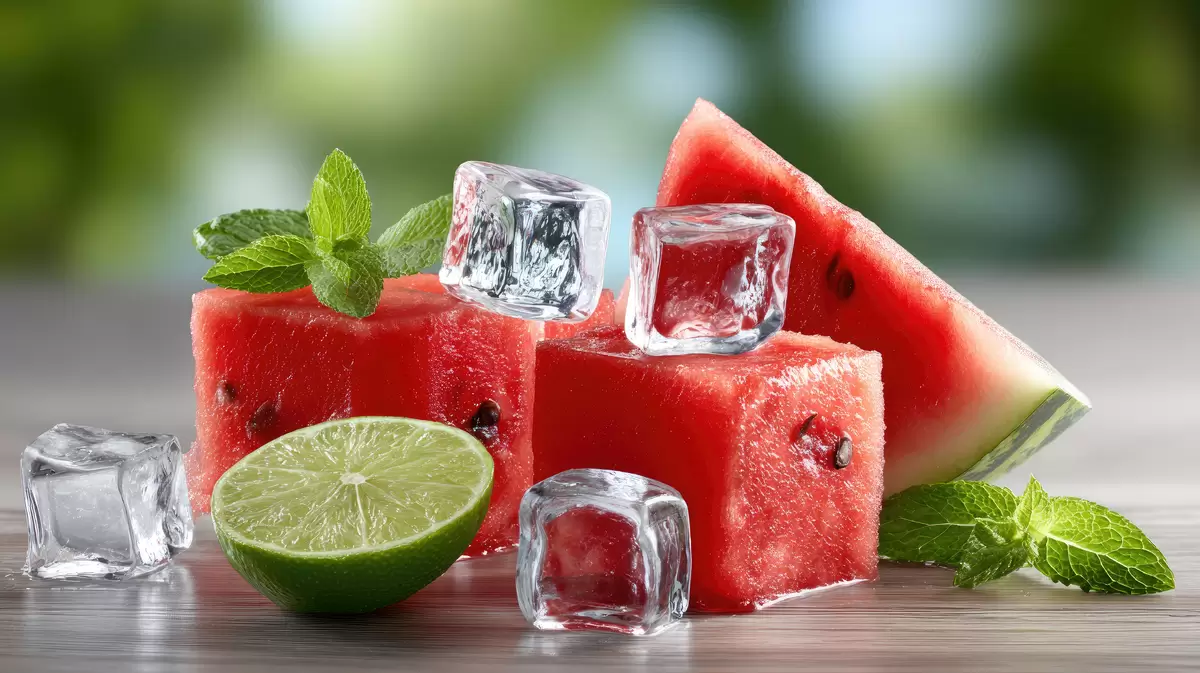
One of the easiest and tastiest ways to stay hydrated is by eating fruits with a high water content. Watermelon is one of the best hydrating foods because it’s packed with water and naturally refreshing on hot days. Strawberries, oranges, peaches, and cantaloupe are also excellent choices.
These fruits do more than just help with hydration. They also provide vitamins, antioxidants, and fiber that support overall health. Toss them into fruit salads or smoothies or enjoy them cold straight from the refrigerator for an easy summer snack.
Hydrating Vegetables
Vegetables can help increase hydration just as much as fruit. Cucumbers, celery, lettuce, tomatoes, and zucchini are all loaded with water and nutrients while staying low in calories.
Adding extra vegetables to summer meals is an easy way to boost fluid intake without even thinking about it. Try cucumbers in sandwiches, tomatoes in salads, or celery with hummus for a crunchy snack that helps keep you cool.
Herbal Teas
Many people forget that herbal tea counts toward hydration too. Since herbal teas are mostly water and naturally caffeine-free, they can be a hydrating option during warmer months.
Peppermint tea is especially refreshing over ice, while chamomile tea can help you relax at the end of a long day. If you enjoy flavored drinks but are trying to avoid sugary beverages, iced herbal tea is a great alternative.
Coconut Water
Coconut water has become popular for good reason. It contains natural electrolytes like potassium that help replace what’s lost through sweat. This makes coconut water a smart option after spending time outdoors, exercising, or working in the heat. Just look for unsweetened versions whenever possible, since some brands contain added sugar.
Milk
Milk may not be the first thing you think about when it comes to hydrating drinks, but research shows it can actually help your body stay hydrated longer than some other beverages.
Milk contains water along with protein, carbohydrates, and electrolytes like potassium and sodium. Those nutrients help your body retain fluids while also providing energy and nutrition. Plain low-fat milk is usually the best option if you want to avoid extra sugar or fat.
Smoothies
Smoothies are one of the best summer hydration ideas because they combine fluids with nutrient-rich foods. Blending fruit, vegetables, yogurt, or milk creates a drink that’s both hydrating and filling.
High-protein smoothies can also be helpful when hot weather lowers your appetite but you still need nourishment. Homemade smoothies are typically healthier than store-bought versions, which are often packed with added sugar.
Broth-Based Soups
Soup may sound more like a winter meal, but lighter broth-based soups can actually help with hydration year-round. Since they’re mostly liquid, they contribute to your daily fluid intake while also providing vitamins and minerals.
Cold soups like gazpacho are especially refreshing during the summer and can be a great way to use up seasonal vegetables.
Water is still the best way to stay hydrated, but it doesn’t have to do all the work alone. Eating hydrating foods and choosing drinks that contain water and electrolytes can help your body stay cooler, more energized, and better prepared to handle the heat.
(Instant Download)
Sign Up for instant access to your free cookbook plus our most popular quick and healthy recipes!