FREEHealthy 30-Minute Meals
(Instant Download)
Sign Up for instant access to your free cookbook plus our most popular quick and healthy recipes!
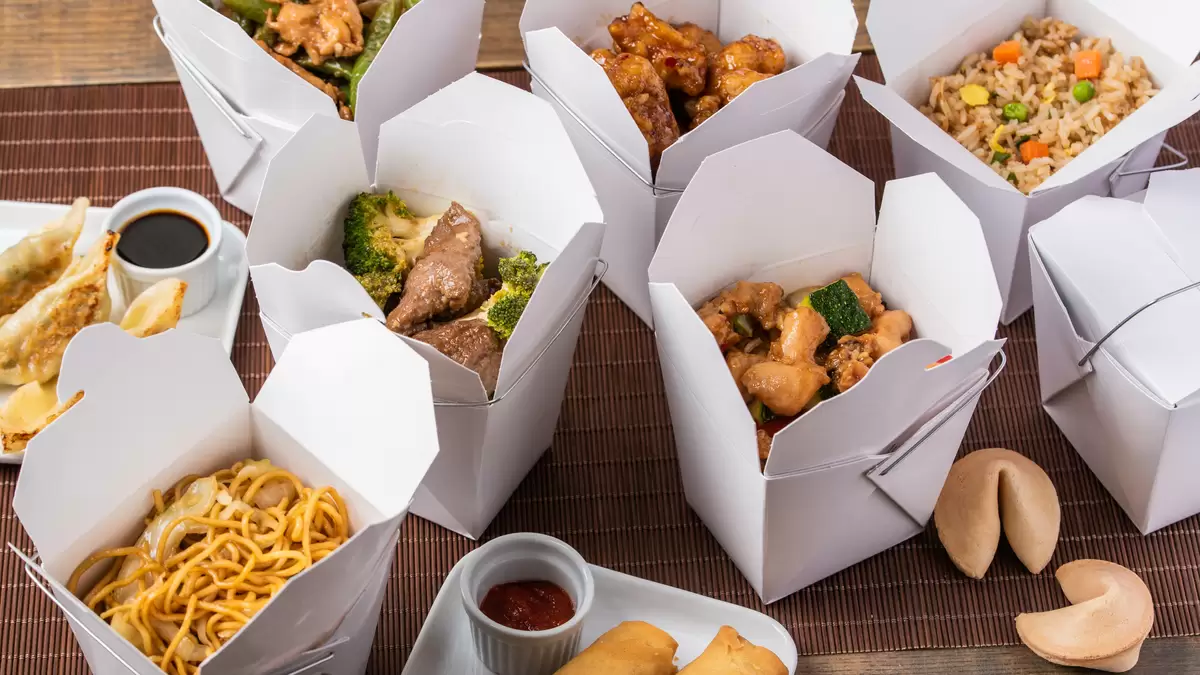
Chinese food is one of the most popular takeout choices in the United States. Whether it’s a quick weeknight dinner or something to share with friends, dishes like lo mein, fried rice, dumplings, and stir-fries are easy to enjoy. But if you’re paying attention to your health, you might pause and ask yourself, “Is Chinese food good for you?”
Chinese food can be very nutritious, especially when it follows traditional cooking styles that feature vegetables and lean proteins. But many American-style Chinese dishes are prepared with large amounts of oil, and sauces filled with sodium or sugar, so they may be less than healthy choices.
Understanding what goes into different dishes can help you enjoy Chinese food while still making choices that support your health. Here’s some information from the Health eCooks dietitians about how healthy (or unhealthy) Chinese food is.
Traditional Chinese meals are typically healthy, combining vegetables, grains such as rice or noodles, and a source of protein like chicken, shrimp, tofu, beef, or pork. Cooking methods like stir-frying allow ingredients to cook quickly while keeping their texture and nutrients. Vegetables also play a big role in many Chinese dishes. Bok choy, broccoli, cabbage, mushrooms, snow peas, and bean sprouts are common ingredients. These foods provide fiber, vitamins, minerals, and antioxidants that support heart health, digestion, and overall wellness.
Where things can become less than healthy is in American-style Chinese takeout. Some dishes rely heavily on deep frying or sauces that contain added sugar and sodium. Popular menu items like orange chicken, sesame chicken, or sweet-and-sour pork tend to be high in calories, fat, and sugar. Soy sauce, oyster sauce, and hoisin sauce are flavorful staples in Chinese cooking, but they can contribute a lot of sodium to a meal.
If you love Chinese food, a few simple choices can make a difference in how healthy your meal is, including:
These adjustments can reduce calories, sodium, and added sugar while still allowing you to enjoy the flavors you love.
If you’re ordering from a restaurant, some menu items tend to be lighter than others. Healthier options may include:
Dishes like these usually provide a good balance of protein, fiber, and nutrients.
One of the best ways to enjoy takeout favorites that are better for you is to cook these healthy Chinese recipes at home.
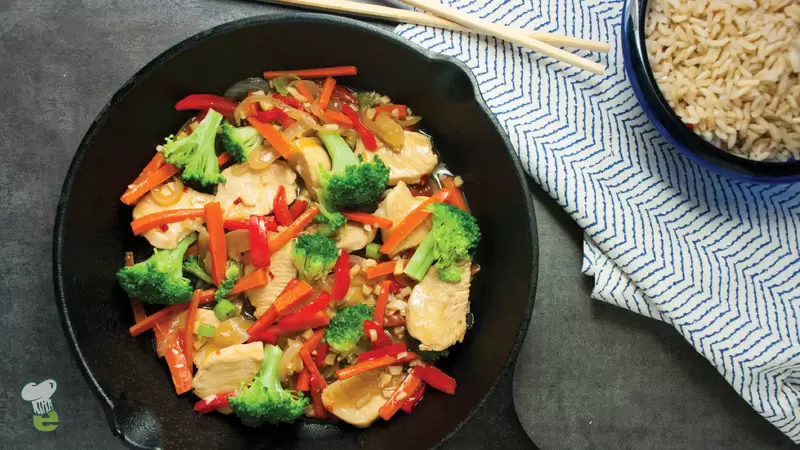
This quick chicken stir-fry highlights lean protein and plenty of vegetables. Everything cooks fast in one pan, creating a simple, flavorful meal that tastes like takeout but is made with lighter ingredients.
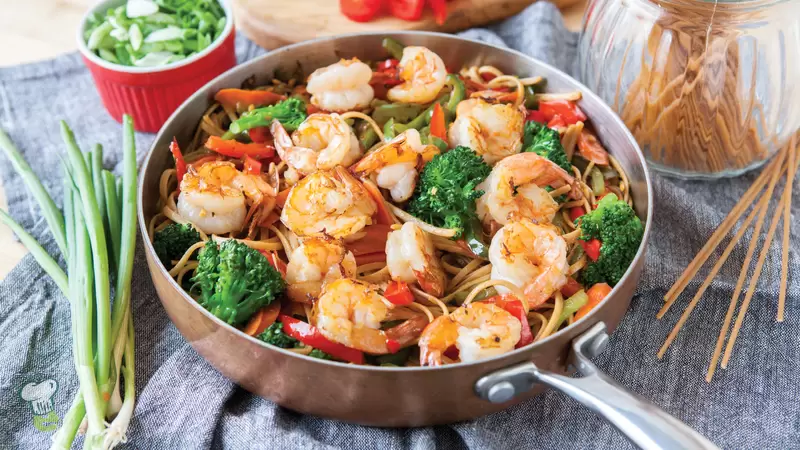
Shrimp, noodles, and colorful vegetables combine in this lighter version of lo mein. Lean protein and vegetables add nutrition while the savory sauce keeps the dish flavorful without relying on a lot of oil or sodium.
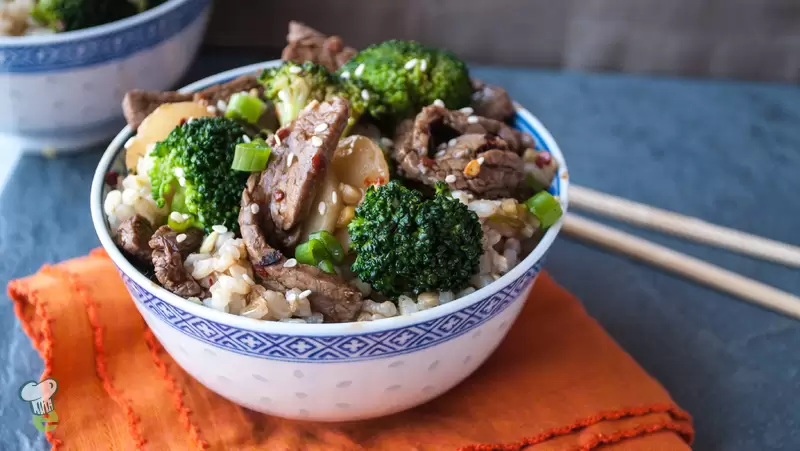
Tender beef and crisp broccoli come together in this simple stir-fry served with fiber-rich brown rice. It offers a balanced mix of protein, vegetables, and whole grains while capturing the familiar flavors of a Chinese food classic.
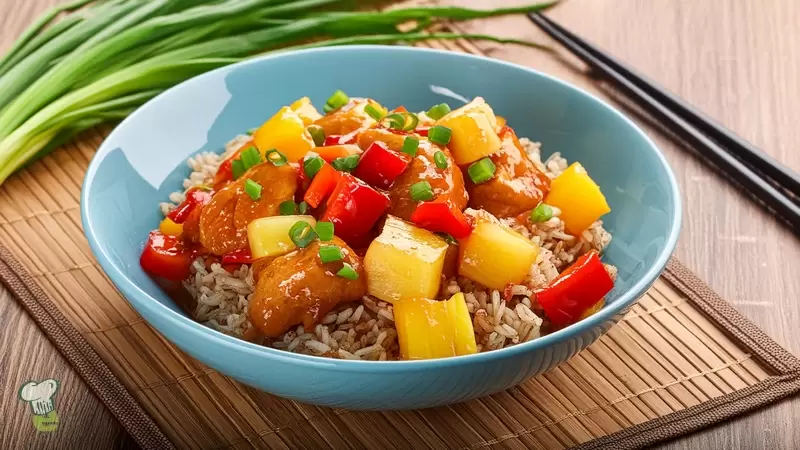
This lighter sweet and sour chicken delivers the tangy flavor of a takeout favorite without the heavy breading or deep frying. Lean chicken, vegetables, and a balanced sauce create a satisfying meal that’s lower in fat and sodium.

This homemade stir-fried rice offers a healthier spin on a popular takeout dish. Rice and vegetables are combined with simple seasonings for a flavorful side that pairs perfectly with lean proteins and veggies.
Here are answers from our dietitians to popular questions about how healthy Chinese food is.
Is Chinese food healthy for you when you’re trying to lose weight?
Chinese food can be a good option when managing your weight. Vegetable-heavy dishes with lean proteins like chicken, shrimp, or tofu are usually filling and can be low in calories. Just pay attention to portion sizes, since restaurant servings are often large.
Why is Chinese takeout often high in sodium?
Many sauces used in Chinese cooking contain sodium. Soy sauce, oyster sauce, and other flavorings are naturally salty, and restaurants may add extra seasoning to boost flavor. High sodium intake can contribute to high blood pressure over time.
Is fried rice unhealthy?
Fried rice is usually cooked with oil and may include fatty cuts of meat, which can increase calories and fat. It can also contain a lot of sodium. Eating smaller portions or choosing steamed rice instead can make the meal lighter.
Are Chinese vegetables healthy?
Vegetables commonly used in Chinese cooking, such as bok choy, Chinese broccoli, napa cabbage, mushrooms, and snow peas, are rich in nutrients like fiber, vitamin C, potassium, and antioxidants that support overall health.
Is MSG harmful?
Some Chinese restaurants use MSG, or monosodium glutamate, to enhance flavor. Although the effect of MSG on health has been debated for years, research from the U.S. Food and Drug Administration shows that it is considered to be safe when consumed in small amounts. Some people report sensitivity, but most people tolerate it without issues.
Chinese food can be a nutritious choice, especially when meals feature vegetables and lean proteins, and are prepared using simple cooking methods. Traditional dishes often offer a good balance of nutrients, but fried foods and sweet or salty sauces can increase calories, fat, sugar, and sodium.
Paying attention to preparation methods and portion sizes can help you enjoy your favorite dishes without going overboard. And one of the best ways to fit Chinese food into a healthy diet is to make it yourself. Give one of the healthy Chinese recipes on our site a try and check out these blogs for some inspiration:
(Instant Download)
Sign Up for instant access to your free cookbook plus our most popular quick and healthy recipes!