FREEHealthy 30-Minute Meals
(Instant Download)
Sign Up for instant access to your free cookbook plus our most popular quick and healthy recipes!
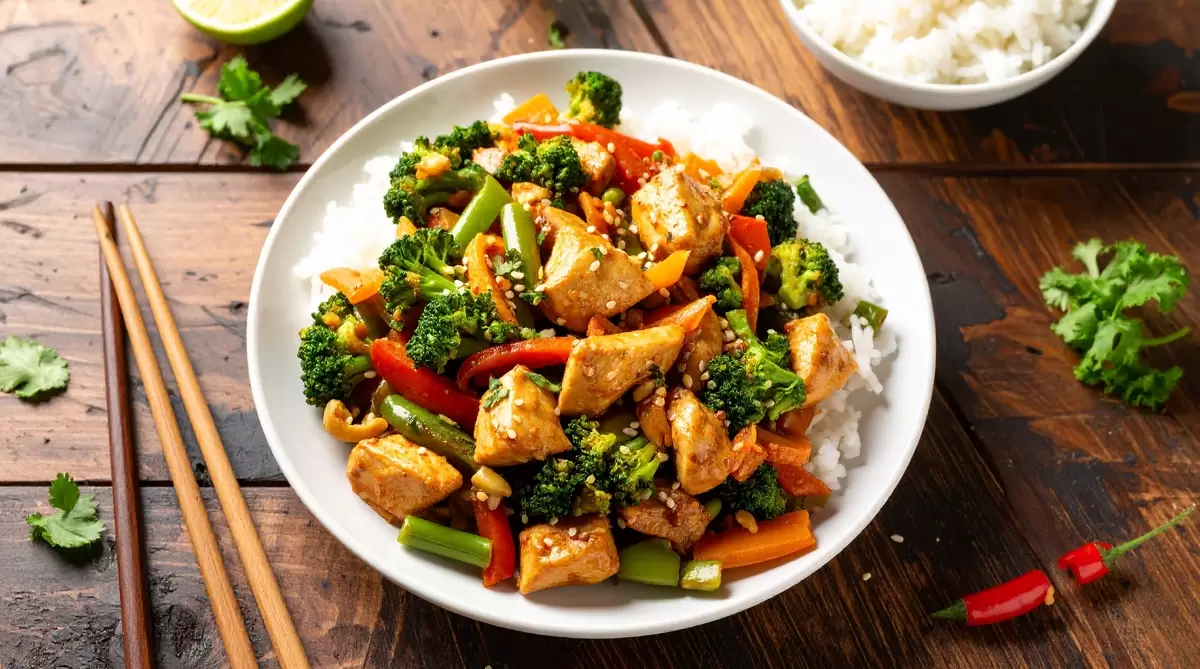
If you love Chinese takeout but worry about how much sodium it packs, you aren’t alone. Many classic Chinese dishes are loaded with sauces and seasonings that can push sodium levels sky high. But the good news is that you don’t have to give up your Chinese food favorites just because you’re trying to consume less salt. Making low sodium Chinese recipes at home gives you control, and they’re still deeply satisfying.
When you cook Chinese food, you decide how much sodium-filled sauces and ingredients go into the dish. That means you can still enjoy the ethnic flavors you love even if you’re limiting salt. There’s no reason to sacrifice taste to eat in a heart-smart way. With a few simple swaps, it’s possible to recreate your favorite takeout-style meals at home while keeping sodium in check. These traditional Chinese recipes will satisfy your cravings in a lighter, healthier way.
This collection of low sodium recipes has been created by the chefs and dietitians at Health eCooks to deliver classic, traditional tastes. The dishes are lower in sodium than typical Chinese takeout and many traditional Chinese dishes, but it’s important to note that some of these recipes do not meet Health eCooks’ strict low sodium guidelines. So although they’re better-for-you alternatives, pay attention to the sodium content if you need to keep daily totals to a minimum.
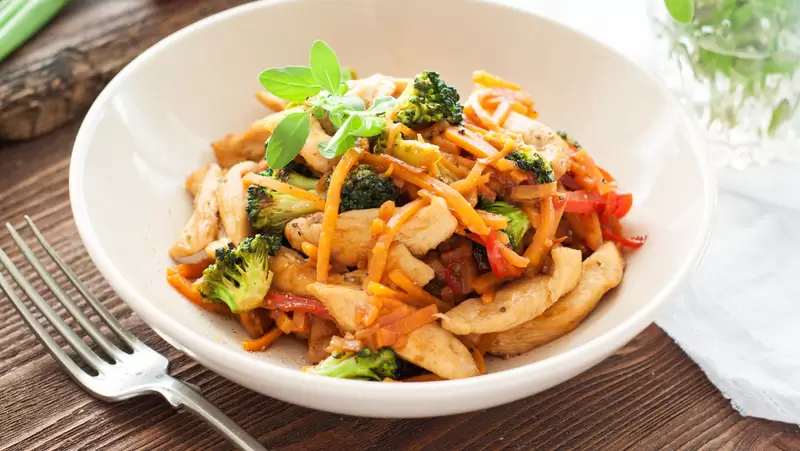
This simple stir fry focuses on fresh vegetables and lean protein, making it a flexible option for any night of the week. By using reduced-sodium ingredients, it delivers flavor without relying on excess salt and is the lowest sodium Chinese recipe on our site at only 138 mg.
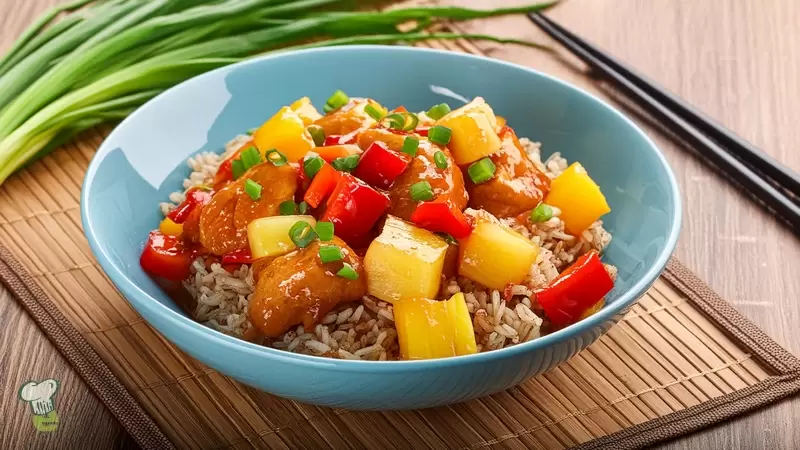
This lighter take on a takeout favorite balances sweet and tangy flavors while keeping fat and sodium lower than restaurant versions. It’s a great choice when you’re craving something comforting but still want to eat mindfully. And at only 145 mg of sodium, it’s a low sodium Chinese food powerhouse.

This dish features shrimp paired with a lightly flavored sauce and notes of sesame. It delivers that takeout-style taste but is one of those low fat, low sodium Chinese food recipes you’ll want to make again and again. And with less than 250 mg of sodium, you can.

This recipe offers a smarter spin on fried rice by using heart-smart ingredients and controlling the amount of seasoning. It’s a great way to enjoy a classic dish without the heavy sodium load (it has just 212 mg of sodium per serving).
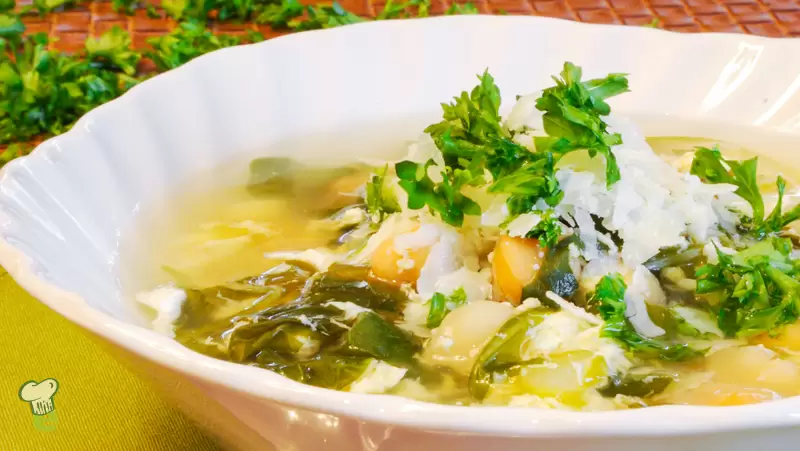
Egg drop soup is often thought of as light, but restaurant versions can still be high in sodium. This homemade option keeps things simple and comforting while dialing back the salt, clocking in at just over 350 mg per cup.
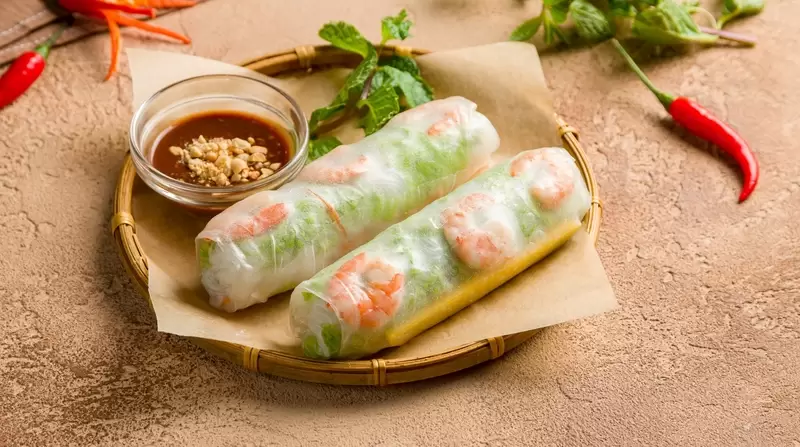
These fresh shrimp rolls are a lighter alternative to fried appetizers. They offer crisp textures and bright flavors, making them a refreshing addition to a low sodium Chinese menu. If you’re eating these alongside another dish, keep in mind that their 281 mg of sodium can send the overall count of the meal over the top.
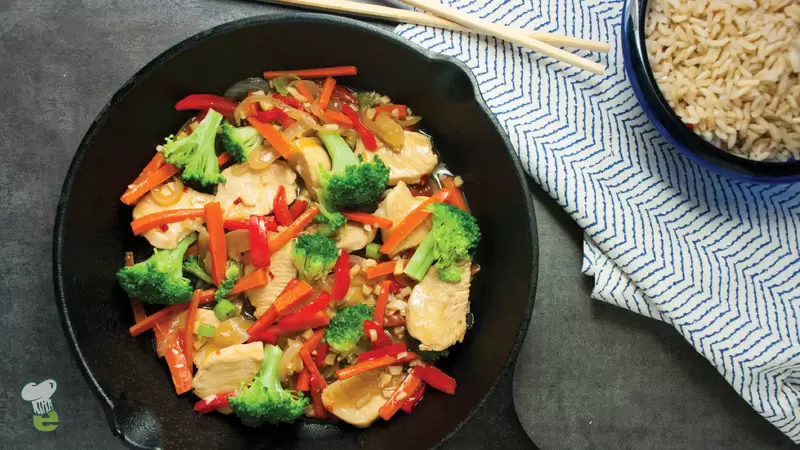
A classic combination of chicken and vegetables comes together quickly in this dish. It’s flavorful and satisfying without being heavy, making it a solid go-to for homemade Chinese-style meals. However, with a little over 400 mg per serving, it has more sodium than some of our other Asian-inspired dishes.
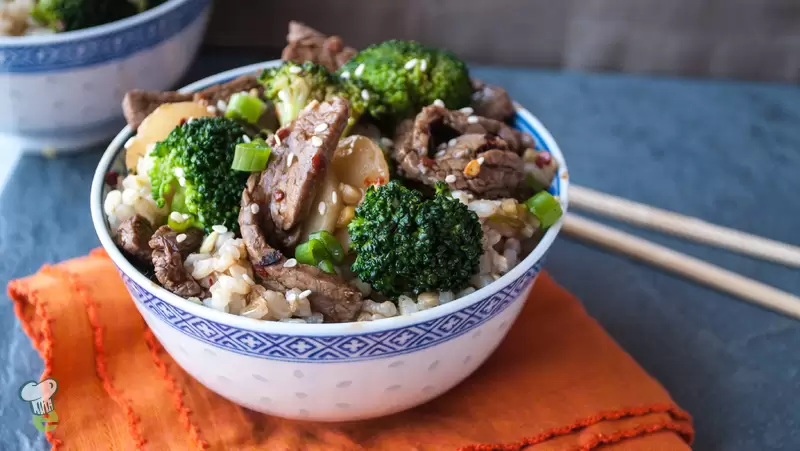
Beef and broccoli is a staple in Chinese takeout, and this version keeps the familiar flavors while using brown rice for added fiber. The sauce is lighter, helping reduce overall calories and fat while keeping the sodium count under 500 mg.
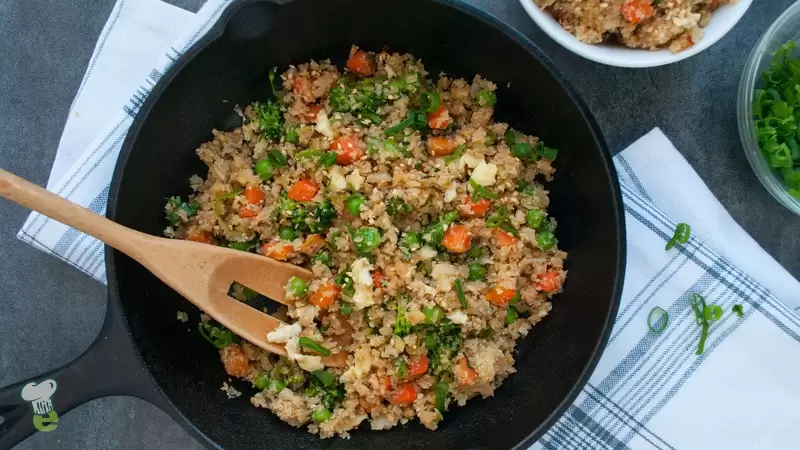
Cauliflower rice is a popular swap for traditional rice, and this version fits perfectly into Chinese-inspired meals. It’s lower in sodium (285 mg) and carbohydrates (10 g) than many Chinese rice dishes and is great at soaking up the flavor of anything you serve it with.
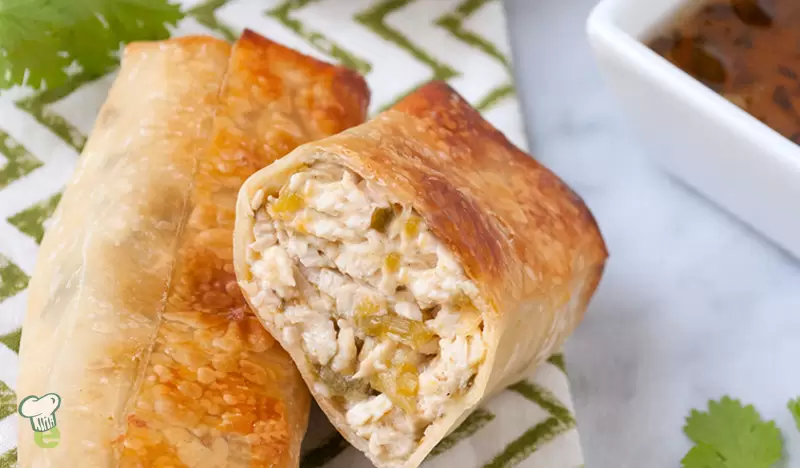
These baked egg rolls offer the flavors you crave without deep frying. They’re a fun way to enjoy a takeout favorite with less sodium (under 300 mg) and fat (4 g) and are a great choice for kicking off your homemade Chinese meal.
If you want to adapt a Chinese meal recipe to reduce the sodium content, the trick is substituting salt with umami, acidity, and aromatics to keep the flavor profile deep and complex.
Here are the best ways to slash the sodium without losing the soul of the dish:
The primary source of sodium in Chinese cooking is the sauce base. Try these ingredient swaps for lower sodium Chinese sauces:
Switch to Liquid Aminos or Low-Sodium Soy: Standard soy sauce has about 900mg–1000mg of sodium per tablespoon. Low-sodium versions usually cut that by 40%, while Coconut Aminos can cut it by up to 70% (though it is sweeter).
Dilute with Stock: Instead of using 3 tablespoons of soy sauce for a stir-fry, use 1 tablespoon of soy and 2 tablespoons of unsalted chicken or vegetable stock.
The Oyster Sauce Alternative: Traditional oyster sauce is very high in salt. Look for "vegetarian mushroom sauce" or premium brands that list oyster extract before salt, then use half the amount requested and supplement with a splash of balsamic vinegar for color and tang.
If you reduce salt, you need to increase "noise" from other ingredients so the dish doesn't taste flat.
The Holy Trinity: Double the amount of garlic, ginger, and scallions the recipe calls for. Sautéing these in oil at the start releases compounds that trick the palate into feeling satisfied without salt.
Toasted Sesame Oil: Use this as a finishing oil. Its intense, nutty aroma provides a sense of richness that makes up for lower salt levels.
Fresh Chilies: Heat draws attention away from a lack of salt. Use fresh Thai chilies or dried red pepper flakes to add a "bite."
Salt is often used to "wake up" a dish, but acid does the same thing.
Chinkiang Vinegar (Black Vinegar): This is the secret weapon. It’s malty, complex, and slightly sweet. A splash at the end of cooking adds a deep dimension that mimics the savory quality of salt.
Rice Vinegar or Lime: If a dish tastes "dull," don't reach for the salt shaker; add a teaspoon of rice vinegar. It cuts through grease and highlights the natural flavors of the vegetables.
Rinse Your Preserved Goods: If you use fermented black beans (douchi) or pickled mustard greens, soak them in cold water for 10 minutes and rinse thoroughly before chopping. This removes the surface brine while keeping the fermented funk.
Velveting with Cornstarch: Instead of marinating meat in heavy soy sauce, use a "velveting" technique with egg white, cornstarch, and a splash of Shaoxing wine. This protects the meat's texture and keeps it juicy, requiring less sauce later.
To give you an idea of where the hidden salt lives, here is a quick breakdown of approximate sodium content in 1 tbsp of these common ingredients:
Pro Tip: If you're making a cornstarch slurry to thicken your sauce, use unsalted stock or cold water instead of mixing the starch directly into a bowl of soy sauce. It gives you much more control over the final seasoning.
Low sodium Chinese food recipes are especially helpful for people watching their blood pressure, managing heart health, or simply trying to follow low sodium dietary guidelines. Cooking Chinese food at home allows you to use lower-sodium sauces, control portion sizes, and focus on whole ingredients like vegetables, lean proteins, and whole grains.
Even when recipes aren’t strictly low sodium, they’re typically far healthier than takeout options. They’re also surprisingly easy to make. Often you can cook a meal faster than you can order and pick up food from your local restaurant. The low sodium Chinese recipes we’ve shared also allow you to enjoy your favorite foods more often, without worrying about the high sodium content in traditional Chinese food.
If you’re looking for more low sodium ethnic food ideas, check out these other low sodium Asian recipes, as well as our collection of low sodium Mexican food recipes. They’re all delicious!
(Instant Download)
Sign Up for instant access to your free cookbook plus our most popular quick and healthy recipes!