FREEHealthy 30-Minute Meals
(Instant Download)
Sign Up for instant access to your free cookbook plus our most popular quick and healthy recipes!

Pasta can be a comforting food and is a surprisingly kidney-friendly option when prepared thoughtfully. Many varieties of pasta are naturally low in potassium, sodium, and phosphorus, and can also be high in fiber with some added protein. That’s why when paired with low-potassium vegetables, lean proteins, and homemade sauces, kidney-friendly pasta recipes can be a delicious dinner choice for those following a renal diet.
With the right ingredients and portions, there are endless varieties of pasta dishes that can be enjoyed on a renal diet. Making simple swaps, such as using flavorful olive-oil based sauces instead of tomato-based sauces, can lower the amount of potassium in any pasta dish. Adding herbs and spices instead of salt can be beneficial for your heart and your kidneys. And reducing the amount of cheese and heavy cream can help you avoid excess phosphorus, sodium, and saturated fat. By making these types of adjustments to your pasta dishes, you’ll find that enjoying pasta can be one of the simplest and safest options if you’re following a renal diet.
If you’re not sure what types of pasta dishes work best on a renal diet, give one of these kidney-friendly pasta recipes a try. They’ve been developed by Health eCooks chefs and approved by our registered dietitians to align with a renal diet so there’s no guesswork involved in figuring out if they’re safe to eat when you’re concerned about kidney health. And you’ll find they’re delicious and easy to make, too!
These renal pasta recipes are not only gentle on your kidneys but are delicious and nutritious. Whether you’re craving comfort food or are looking for a family-friendly meal idea that everyone will enjoy, you’ll find something worth cooking here. And since they’ve all been approved for a kidney-friendly diet, you can enjoy these pasta recipes along with everyone at the table.
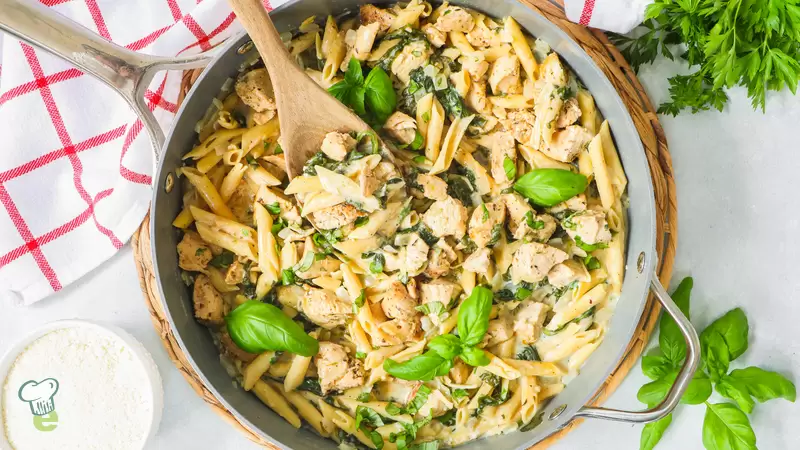
Opting for an olive-oil based sauce rather than a traditional tomato sauce keeps this dish at 503 mg of potassium. Substituting almond milk for regular milk also keeps it low in phosphorus with only 202 mg of phosphorus per serving. Chicken adds a good source of protein, adding to a balanced meal, which is important if you’re on a renal diet.

Mac and Cheese might seem off limits for people with chronic kidney disease, but with a few swaps it can easily be made kidney friendly. Most of the phosphorus and sodium in traditional mac and cheese comes from the hefty portion of cheese added to the sauce. But nutritional yeast is used in this recipe to add a classic cheesy flavor, which significantly reduces the amount of phosphorus. This recipe contains only 122 mg of phosphorus and 192 mg of potassium, keeping this classic recipe kidney-friendly.
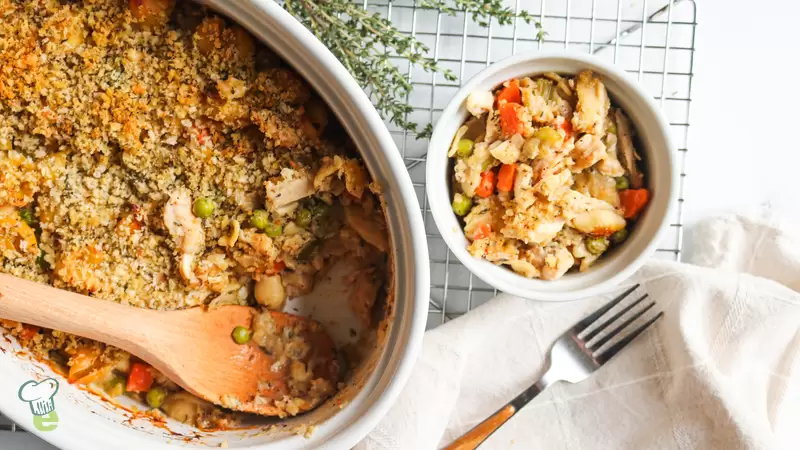
Chicken pot pie is not typically the first meal people think of when preparing kidney-friendly foods. Regular chicken pot pie is loaded with salt and is full of potatoes, which are high in potassium. But when turned into a low-sodium pasta dish, you can enjoy the traditional flavors of chicken pot pie while keeping this recipe to 243 mg of phosphorus and 470 mg of potassium.
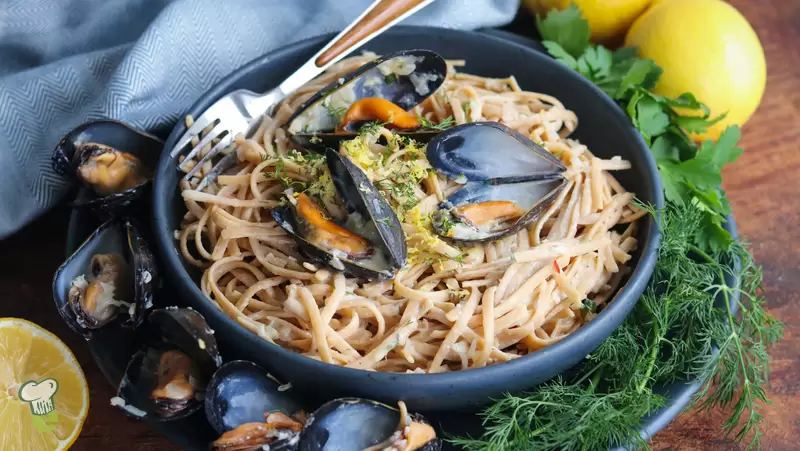
“Creamy” pasta might not be thought of as safe for someone on a renal diet, since the phosphorus found in most creamy pastas can be quite high. But this pasta stays rich and creamy without the need for heavy cream or cheese. Low in sodium, and with 409 mg of potassium and 279 mg of phosphorus, this indulgent pasta can be enjoyed on a kidney-friendly diet.
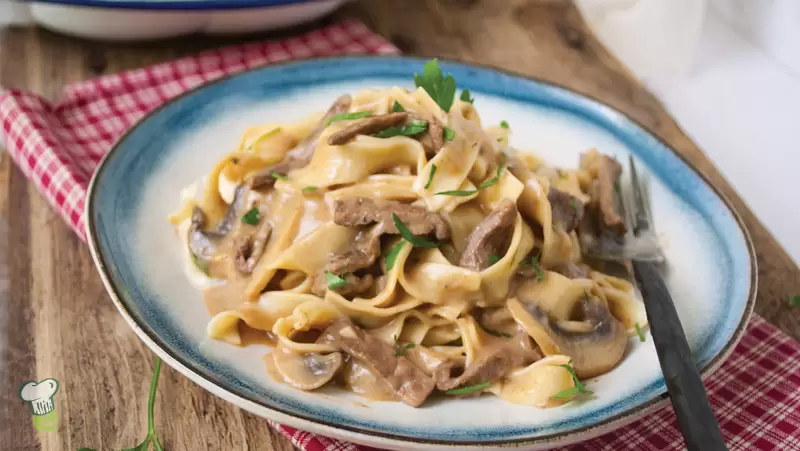
This recipe is a great example of how a few small swaps can turn pasta recipes into kidney-friendly options. Choosing unsalted beef broth and reduced sodium Worcestershire sauce keeps the sodium low in this recipe. And at 478 mg of potassium and 241 mg of phosphorus, this recipe can be safely enjoyed on a kidney-friendly diet.
Looking for more delicious ideas to get a healthy meal on the table? Check out these other renal diet recipes, all approved by registered dietitians to be easy on your kidneys:
(Instant Download)
Sign Up for instant access to your free cookbook plus our most popular quick and healthy recipes!