



FREEHealthy 30-Minute Meals
(Instant Download)
Sign Up for instant access to your free cookbook plus our most popular quick and healthy recipes!
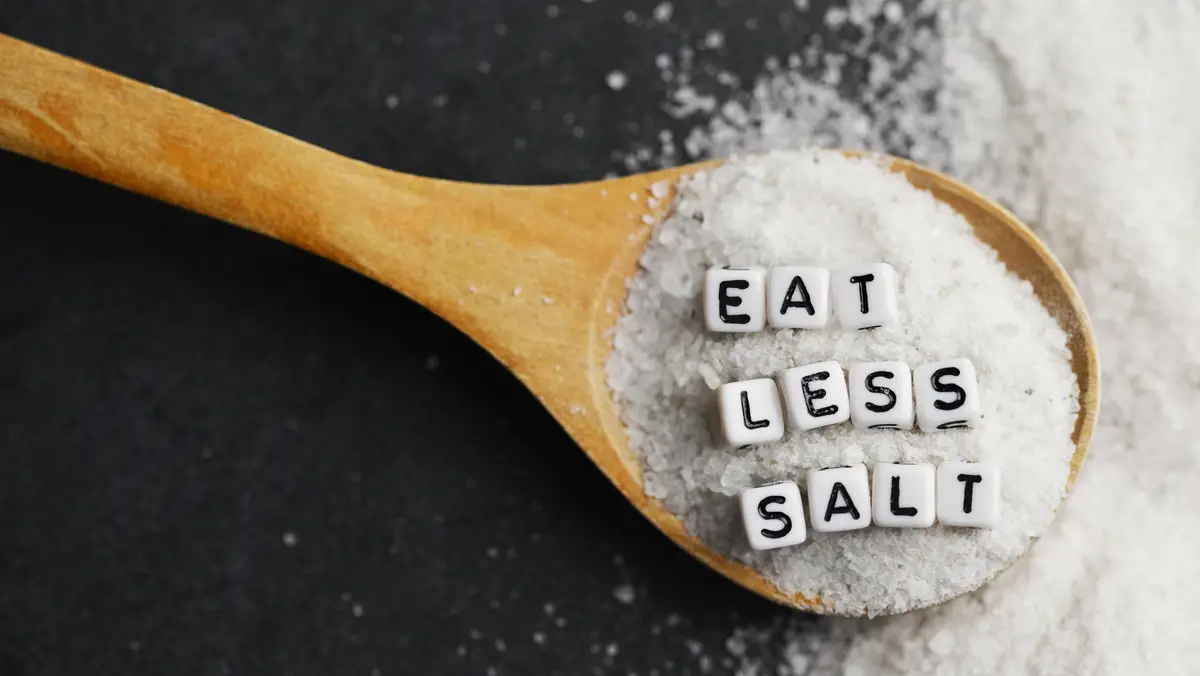
If you’ve been told to lower your sodium intake, you’re not alone. Millions of Americans live with chronic diseases like high blood pressure, heart disease, or kidney disease and are looking for ways to eat less salt and high sodium foods.
Not quite sure where to start? Here are some tips to lower sodium intake from a registered dietitian. They can help get you started on your journey to better health.
The recommended sodium intake for the average American is 2,300 milligrams (mg) per day. If you have high blood pressure, heart disease, or kidney disease, most health professionals will likely recommend that you lower your sodium intake even more. The American Heart Association’s recommendation is just 1,500mg per day. In contrast, the average American consumes 3,400mg of sodium per day, which is far above these limits.
The nutrition facts label is a great place to start when trying to lower sodium intake. Sodium is often high in foods that are highly processed, such as ketchup, salad dressing, barbecue sauce, seasoning packets, frozen or boxed meals, canned goods, and snack foods. Processed foods are required to have a nutrition facts label and that label must show how much sodium is in the product.
To read the nutrition facts label properly, first check the serving size. Then, review the sodium line to find out how much sodium is in each serving. Finally, be honest with yourself about how many servings you’re actually eating.
If your sodium goal is no more than 1,500mg a day, a good target to aim for is 500mg of sodium or less per meal. If you eat a few snacks throughout the day, the per meal sodium limit may need to be lower to account for the sodium in those snacks. Also, keep in mind all aspects of a meal when determining how much sodium you are consuming.
To reduce sodium intake, look for packaged goods with these indications on the label:
Now that you know how to shop smart and read a nutrition label, here are some healthy swaps and tips to lower sodium intake that can help you meet recommended limits each day.
These tips from a registered dietitian can help you consume less sodium while still enjoying flavorful, delicious food.
Season Smartly
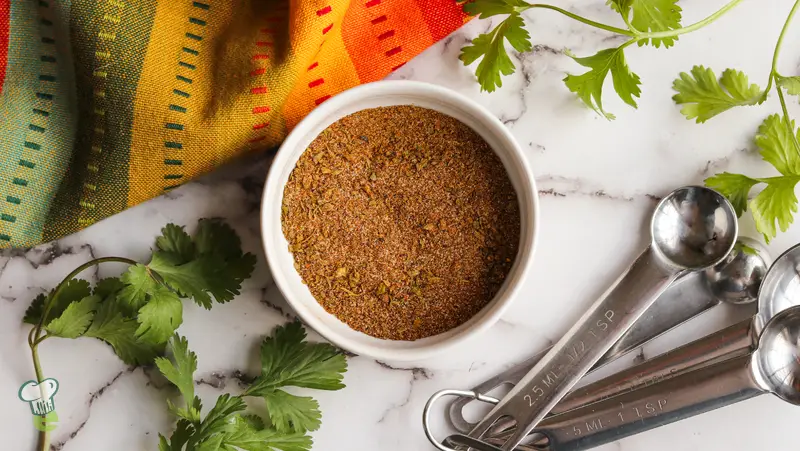
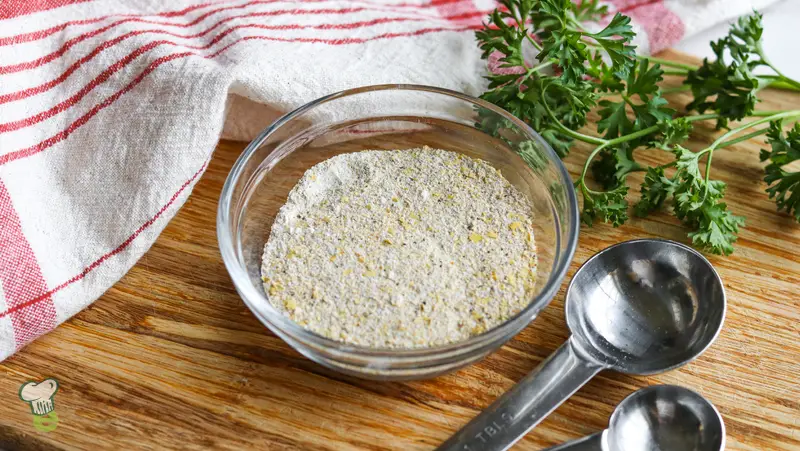
Pre-made seasoning packets often have hundreds of milligrams of sodium per serving. Using a combination of individual spices can provide the same taste without the salt and other additives that are often added to seasoning blends. You can also make low salt versions of high sodium seasonings at home, which can reduce your sodium consumption by hundreds of milligrams per day.
These low sodium Hamburger Helper seasoning and taco seasoning recipes are quick and easy to make. They have less than 50mg of sodium per serving but taste just like the originals. Prepare a batch and store in an airtight container to use at any time.
Bottled dressing is one of the easiest swaps, since you can make your own in less time than it takes to read the label.
Embrace Fresh Herbs
Summer is the perfect time to start lowering your salt intake because fresh herbs are in season. From dill and basil to cilantro and parsley, fresh herbs add loads of flavor to dishes, so you won’t even miss the salt. In addition to their pungent smell and vibrant flavor, herbs contain vitamins and other micronutrients.
There are plenty of ways you can enjoy fresh herbs in salads, dressings, entrées, and sandwiches.
Have a bunch of fresh basil? This low sodium pesto is easy to whip up at home. It can be added to pasta, used to top chicken, or enjoyed as a spread on sandwiches or wraps.
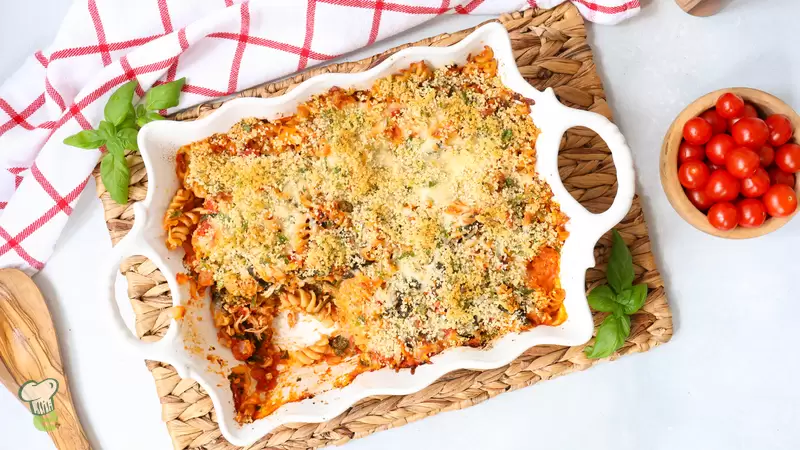
Lucky enough to have basil and parsley on hand? This chicken parmesan casserole uses both in its flavor-packed breadcrumb topping, a dish your family is sure to love.
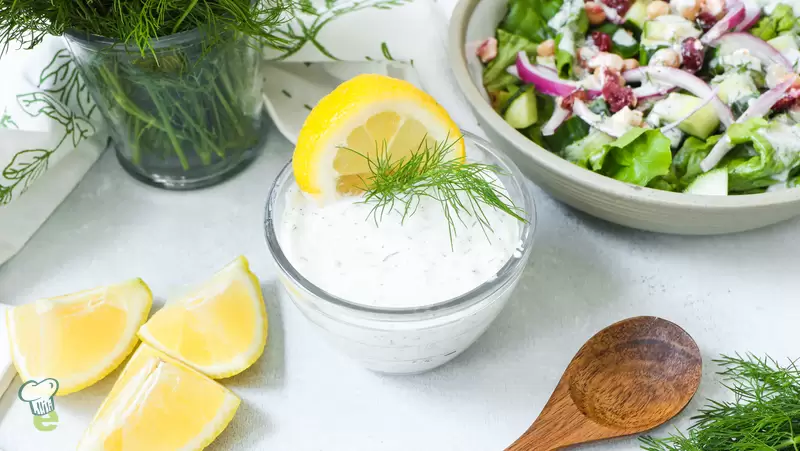
Fresh dill is the star of the show in this easy Greek yogurt salad dressing. It also adds a burst of flavor in this healthy potato salad that will wow at your next cookout.
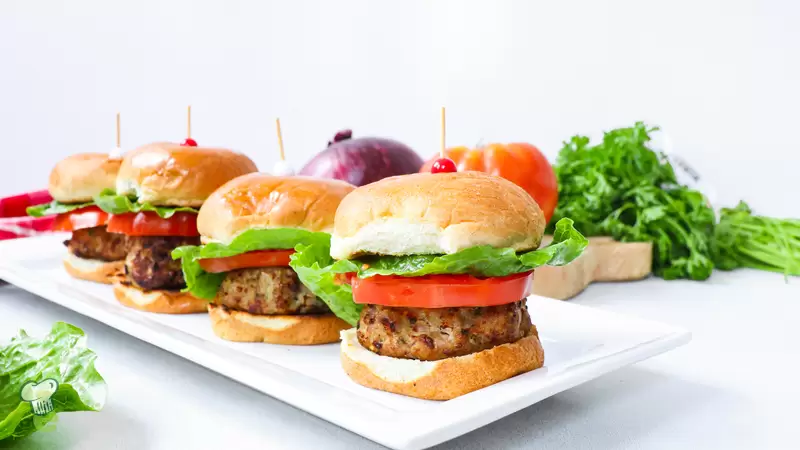
Speaking of cookouts, your guests will love these turkey burger sliders. They’re flavored with fresh herbs and garlic for a low sodium, heart healthy meal and pair perfectly with the flavors in the potato salad mentioned above.
Transform Convenience Foods into Lower Sodium Versions
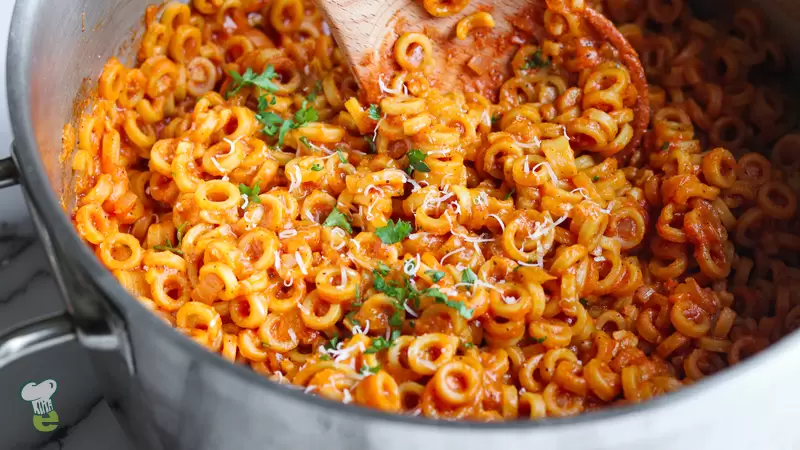
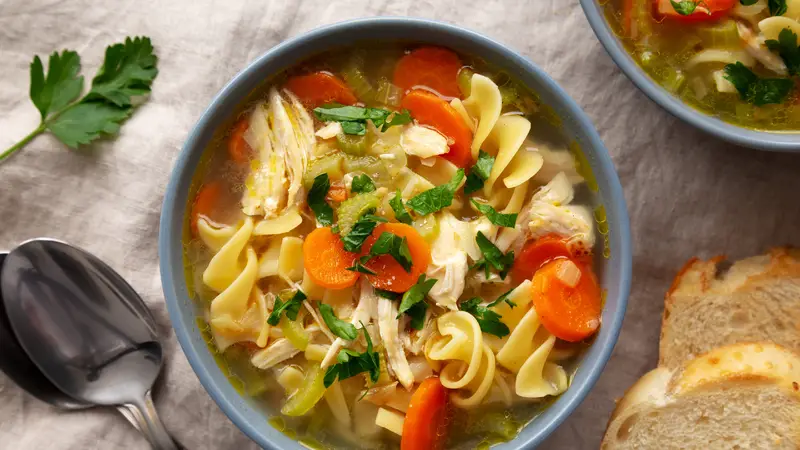
Boxed dinners and canned foods may be convenient, but they’re also notoriously loaded with sodium thanks to the seasonings and preservatives they may contain. If you’re craving some comfort food, this SpaghettiOs® recipe has 88% less sodium than canned versions. Want a warm bowl of steamy soup? No need to open a can because you can’t go wrong with this low sodium and kidney friendly chicken noodle soup. It’s so good!
Ditch the Drive Thru
Much of the sodium in many American’s diets comes from restaurants and fast-food, in addition to highly processed convenience foods. So, another helpful tip to lower sodium intake is to make homemade versions of your fast food favorites to keep salt intake in range while you satisfy your cravings.
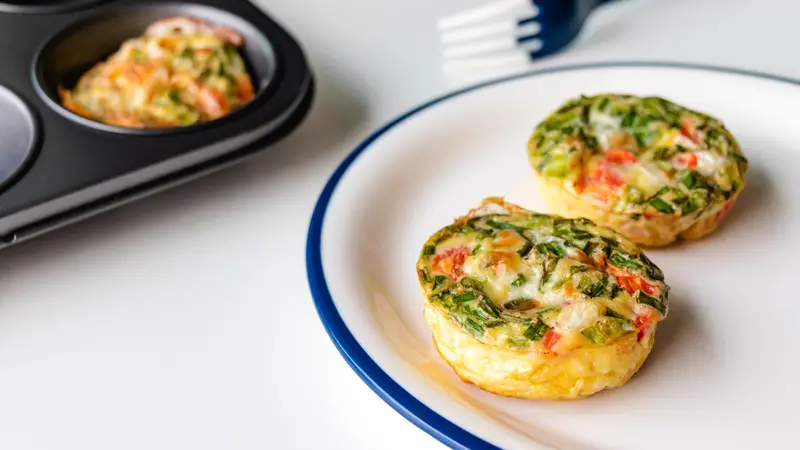
Try this kale crunch salad with homemade dressing or these low sodium chicken nuggets, which can be made in the oven or air fryer, when you’re craving Chick-fil-A. Skip the long lines at Starbucks or your favorite coffee shop by making healthy egg bites at home.
In addition to these tips to lower sodium intake, you’ll find plenty of other tips, swaps, and substitutions featured in the many low sodium recipes on Health eCooks. The site’s low sodium dietary guidelines also include meal ideas for breakfast, lunch, dinner, and snacks that taste great, as well as answers to common questions about lowering sodium so you’re equipped with the knowledge you need to keep your heart healthier.
Written by: Samantha White, MS, RD, LDN
LinkedIn: www.linkedin.com/in/samantha-white-ms-rdn-ldn
Instagram: @samwhite.rd
(Instant Download)
Sign Up for instant access to your free cookbook plus our most popular quick and healthy recipes!