FREEHealthy 30-Minute Meals
(Instant Download)
Sign Up for instant access to your free cookbook plus our most popular quick and healthy recipes!
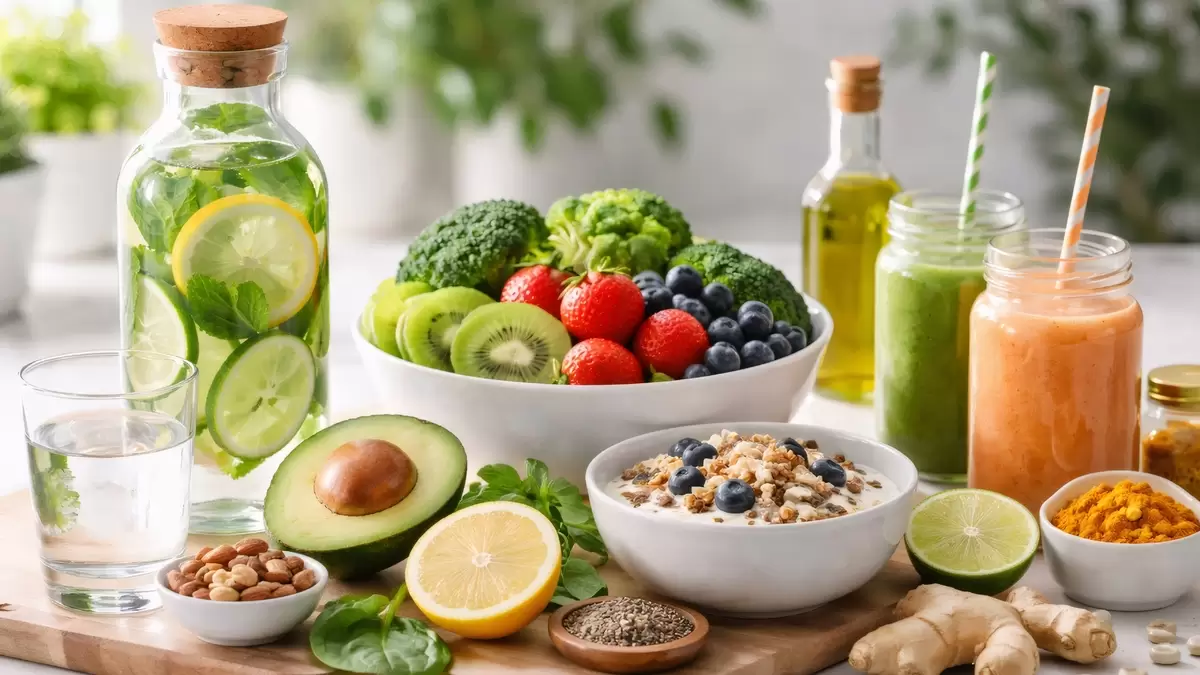
Hot weather has a way of changing your eating habits. When temperatures climb, your body naturally works harder to stay cool in the heat, which can lower your appetite and make food less appealing. Many people find themselves skipping big meals or simply not feeling very hungry, but light and refreshing foods are often better tolerated.
Summer weather isn’t the only reason you might not feel like eating. Stress, medications, illnesses, busy days, or aging can all make hunger fade. Even so, your body still needs fuel to keep your energy up and help you stay hydrated. Going too long without eating can leave you feeling drained, dizzy, or sluggish, especially during the hottest months of the year.
You don’t need to sit down for a big meal to properly fuel your body. Sometimes refreshing foods, light snacks, and smaller portions are exactly what your body needs. Choosing foods with protein, fiber, and healthy fats, as well as getting enough fluids, can help you stay nourished without feeling overly full.
If large meals sound unappealing, try eating smaller amounts every few hours instead. Cold foods, refreshing snacks, and easy-to-digest meals are often more appealing when it’s hot outside. Hydration matters too, so keep sipping water and include foods with high water content like cucumbers, watermelon, berries, tomatoes, and lettuce.
Here are some easy, healthy, and refreshing food and drink ideas to try when it’s hot or you don’t feel very hungry.
Blend Up a Smoothie
Smoothies are one of the easiest ways to get nutrients when solid food doesn’t sound good. A drinkable meal can provide protein, calcium, healthy fats, and vitamins while also tasting refreshing.
Try this Mixed Berry Smoothie, made with fruit, yogurt, and milk to help support hydration and provide you with energy.
Keep Fresh Fruit Nearby
Cold fruit is often easier to tolerate than other foods during hot weather. Watermelon, peaches, berries, grapes, and oranges can help replace fluids while also providing natural carbohydrates for energy.
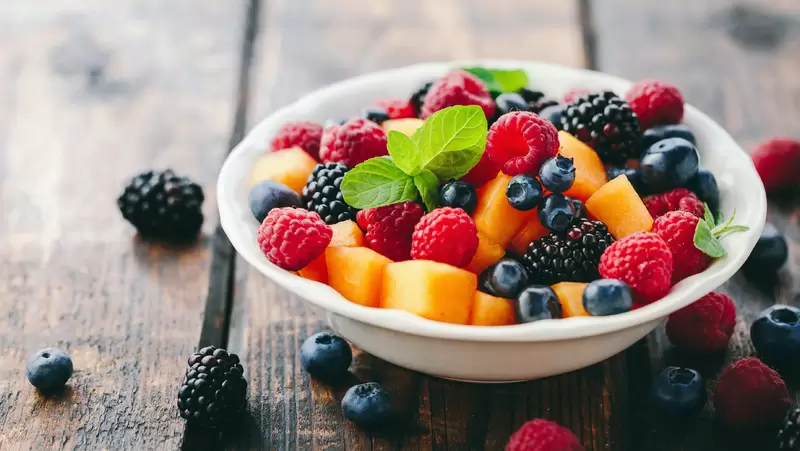
For a refreshing change from whole fruit, try this Easy Fruit Salad. Its colorful mix of fruit adds a variety of nutrients to your diet and, as the name implies, it’s easy to make.
Choose Protein-Rich Light Meals
Protein helps keep your energy levels steady, even if you’re only eating small portions. Foods like Greek yogurt, cottage cheese, eggs, tuna salad, or hummus are often easier to eat than cooked meals when it’s hot.
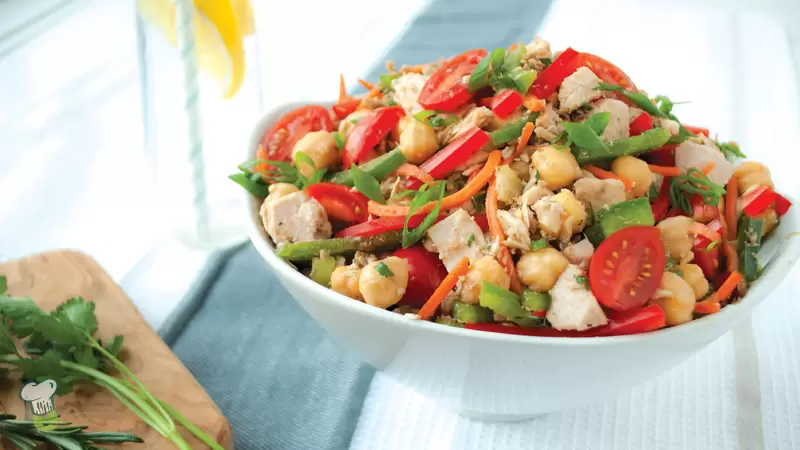
This Tuna Salad is a great option when you’re looking for protein in a light, refreshing meal. It contains 18g of protein and takes less than 15 minutes to prepare.
Snack Instead of Eating Full Meals
Sometimes snacks feel more manageable than a full plate of food. Nuts, cheese sticks, trail mix, whole grain crackers, or toast with peanut butter can provide calories and nutrients to keep you going.
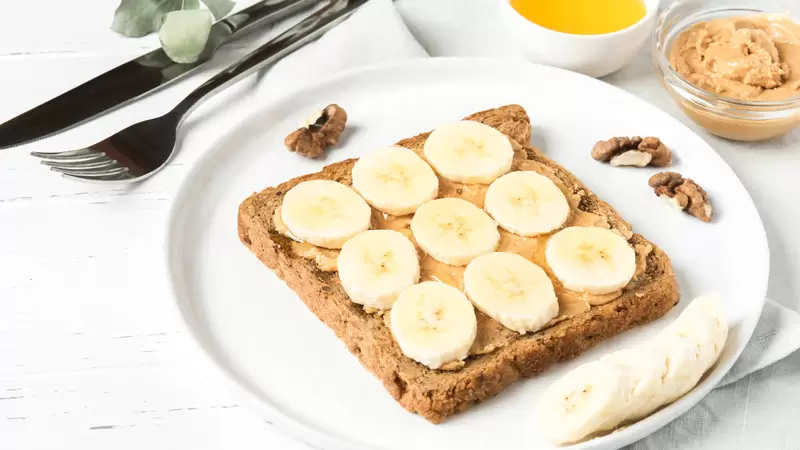
A Peanut Butter and Banana Sandwich is easy to make and provides you with 13g of protein and 6g of fiber.
Try Chilled or Light Soups
Soup may not sound like a warm-weather food, but lighter soups can be soothing when your appetite is low. Broth-based soups help with hydration while providing sodium and nutrients lost through sweating.
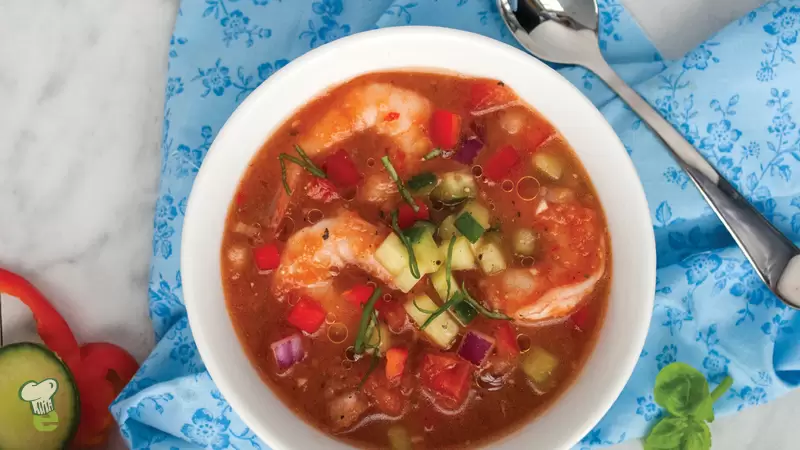
A bowl of chilled Shrimp Gazpacho can be refreshing on especially hot days.
Don’t Forget to Stay Hydrated
When you don’t feel hungry, dehydration can sneak up quickly. Drinks that are non-alcoholic and caffeine-free, as well as foods with a high water content help you stay hydrated.
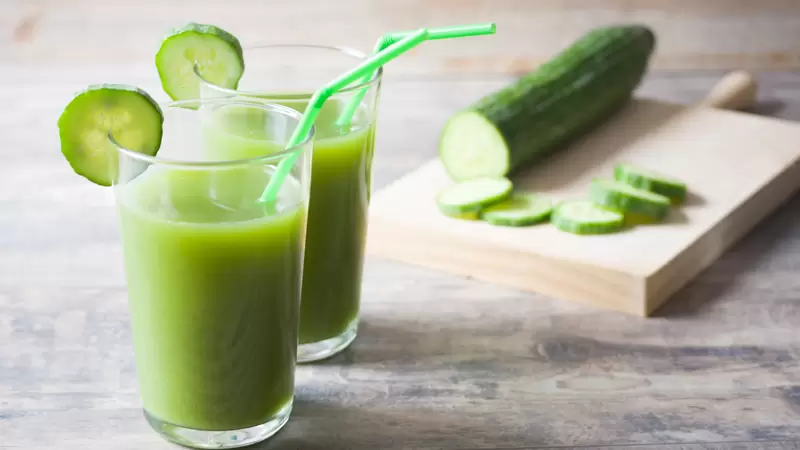
Recipes like this refreshing Cucumber Lemon Juice can make it easier and more enjoyable to increase your fluid intake while also providing you with nutrients.
Listen to Your Body
Your appetite may naturally rise and fall throughout the year, especially during stretches of extreme heat or stressful periods. Instead of forcing yourself to eat large meals, focus on eating consistently and choosing foods that help your body feel good.
If your appetite stays low for more than several days or you notice weight loss, weakness, or ongoing nausea, talk with your doctor or a registered dietitian. Sometimes appetite changes are a sign of an underlying health issue.
Most importantly, be flexible with yourself. Smaller meals, light and refreshing foods, and simple snacks can still provide the nourishment your body needs, even on days when eating feels like a chore.
(Instant Download)
Sign Up for instant access to your free cookbook plus our most popular quick and healthy recipes!