FREEHealthy 30-Minute Meals
(Instant Download)
Sign Up for instant access to your free cookbook plus our most popular quick and healthy recipes!
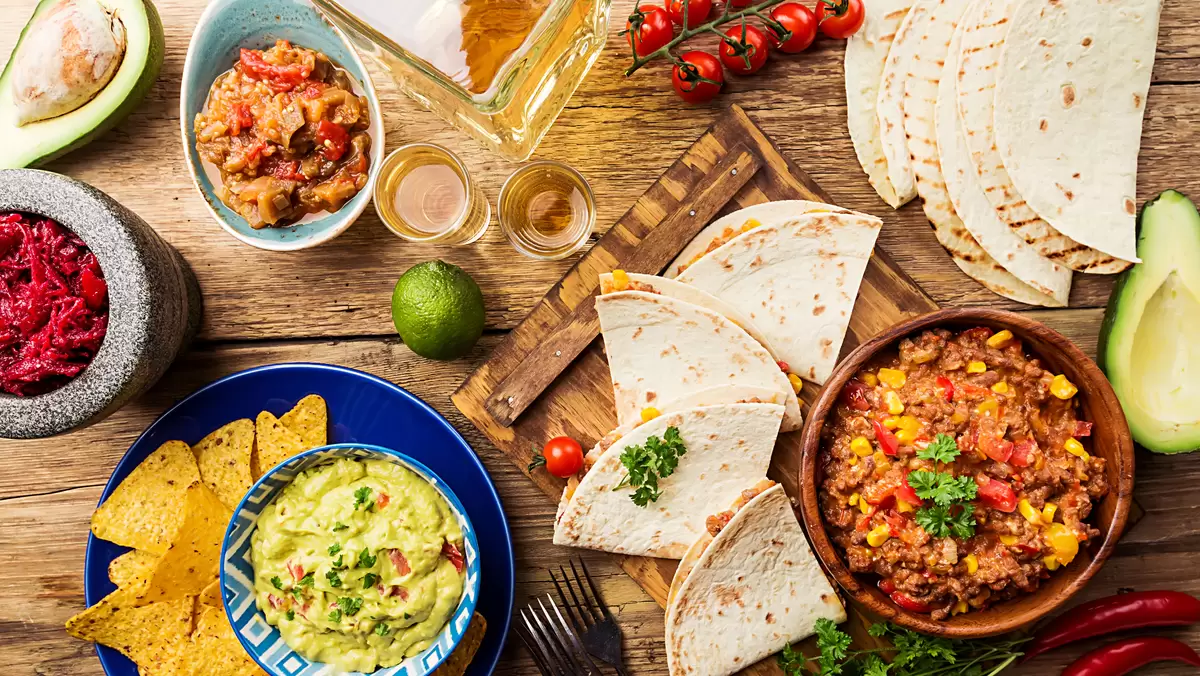
Mexican food is known for its bold flavors, colorful ingredients, and comforting dishes, like tacos, burritos, enchiladas, and guacamole. But if you’re trying to eat well, you might be wondering, “Is Mexican food healthy for you?”
This popular ethnic cuisine can be nutritious and satisfying, but as with any type of food, whether it’s healthy depends on the ingredients any dish contains and how it’s prepared.
For example, traditional Mexican cooking relies heavily on whole foods like beans, corn, tomatoes, peppers, herbs, and lean meats. These foods provide fiber, vitamins, minerals, and healthy fats. But many Mexican dishes enjoyed in the U.S., especially in restaurants, contain large amounts of cheese, creamy sauces, and fried chips and shells that can be less than healthy.
The good news is that it’s easier than you think to enjoy healthy Mexican food. You just need to make a few smart choices when you’re eating at a restaurant or ordering takeout. Better yet, you can cook healthy Mexican recipes at home that taste authentic while being better for you.
Here’s some useful information from the Health eCooks dietitians about how healthy Mexican food is, along with tips (and delicious recipes!) to make it healthier.
Authentic Mexican cuisine is often built around simple, wholesome ingredients. Beans are a staple in many dishes and provide plant-based protein and fiber that can help you stay full longer. Avocados, commonly used in guacamole, offer heart-healthy fats and important nutrients. Fresh vegetables like tomatoes, onions, and peppers add flavor while supplying vitamins and antioxidants. Corn tortillas are made from whole corn, which adds nutrients and fiber.
The challenge comes when dishes are fried or covered with creamy toppings. Fried tortillas, large amounts of cheese, sour cream, and rich sauces can quickly increase calories, sodium, and saturated fat. Portions at restaurants can also be much larger than what you would normally eat at home.
Mexican meals can be as nutritious as they are delicious with these simple tips:
Mexican restaurants often have large menus, and some dishes are heavier than others. Fried shells, creamy sauces, and lots of cheese can quickly add extra calories, sodium, and saturated fat. The good news is that there are plenty of menu options that can still be flavorful while fitting into a healthy eating pattern.
When ordering Mexican food at a restaurant, look for dishes built around grilled proteins, beans, vegetables, and fresh toppings, such as these:
On the other hand, dishes like chimichangas, flautas, tostadas, and nachos tend to be higher in calories and saturated fat because they’re fried or loaded with cheese and sauces.
One of the best ways to make healthy Mexican recipes that are low sodium, low fat, and low calorie is to cook at home. Here are some of our readers’ favorites.
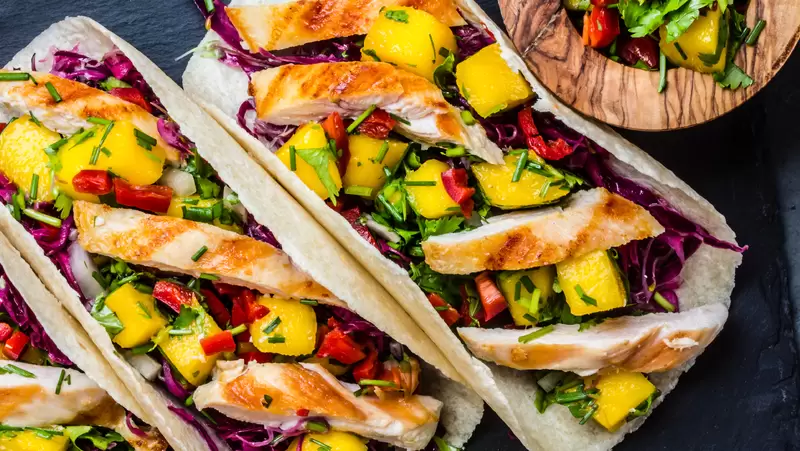
These chicken tacos combine lean protein and bright, fresh flavor. The juicy chicken is paired with a sweet mango salsa that adds color, vitamins, and natural sweetness. Served in tortillas with crisp toppings, this recipe is a lighter way to enjoy tacos that feature the bold flavors Mexican food is known for.
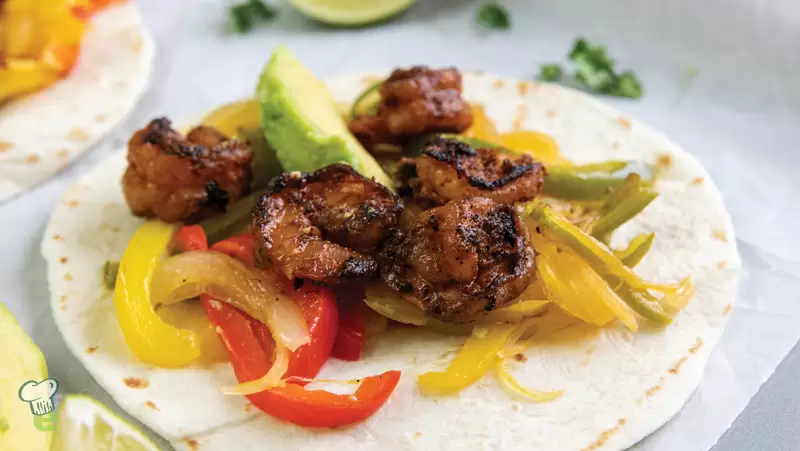
Packed with smoky spices and colorful vegetables, these shrimp fajitas are a quick and satisfying meal. The blackened shrimp cooks fast and delivers plenty of flavor, while sautéed peppers and onions add fiber and nutrients. It’s an easy weeknight dinner that keeps things light but classic.
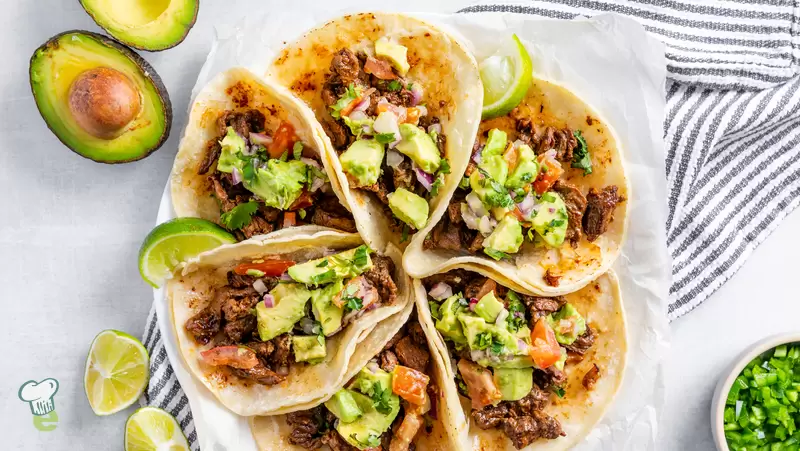
These tacos prove that Mexican food can be satisfying and balanced. Tender skirt steak is seasoned and cooked until juicy, then tucked into tortillas with fresh toppings for a flavorful bite. Pairing the beef with vegetables and simple garnishes helps keep the meal hearty without being overly heavy.
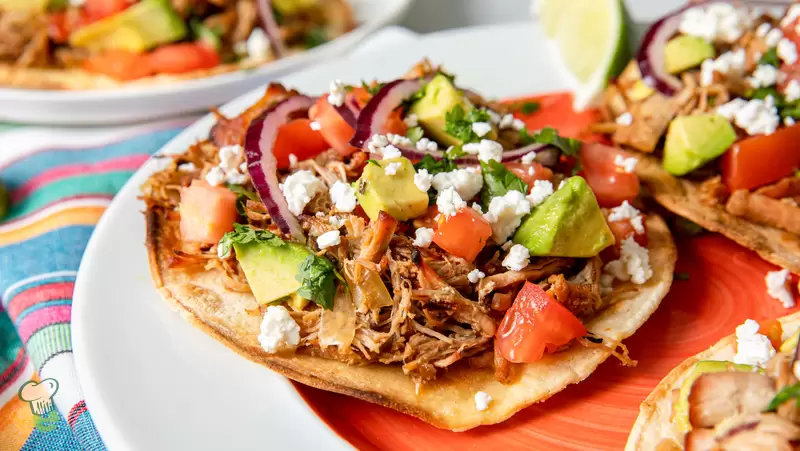
Crispy tostadas layered with flavorful pork, beans, and fresh toppings create a meal that’s filling and colorful. Each bite combines protein, fiber, and bold Mexican-inspired flavors. It’s a great way to enjoy the crunch and comfort of tostadas while still keeping things healthy.
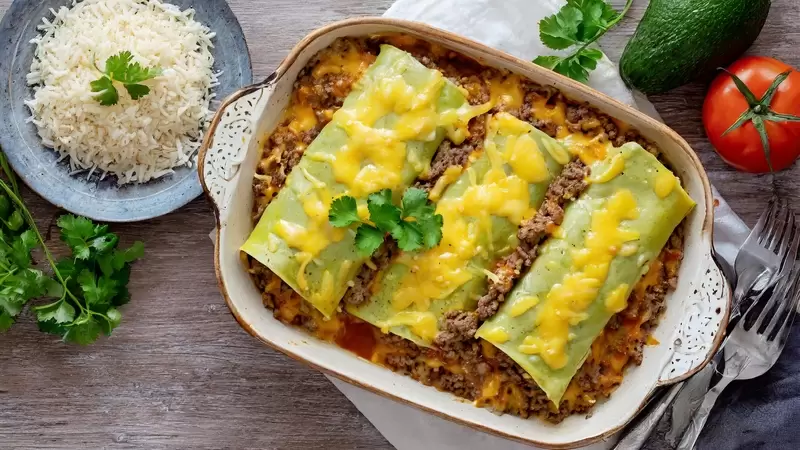
These enchiladas combine seasoned beef with fiber-rich beans for a satisfying and comforting dish. Wrapped in tortillas and baked with a flavorful sauce, they deliver classic enchilada flavor with a lighter ingredient lineup. The mix of protein and fiber helps make this meal filling and nourishing.
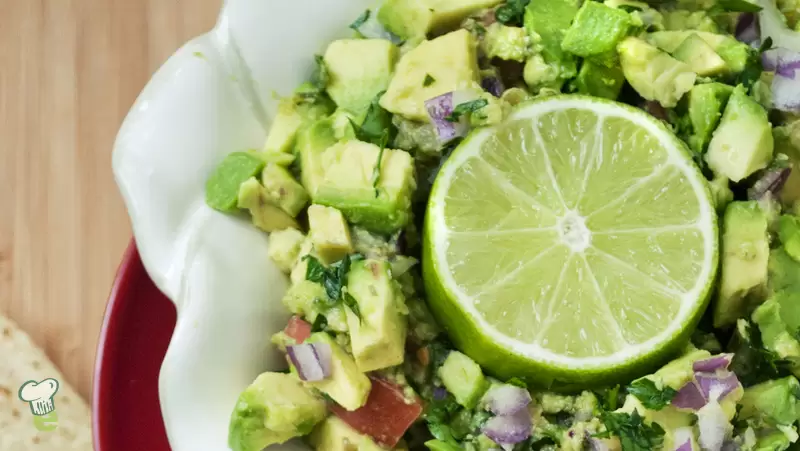
Fresh avocados, lime, and simple seasonings come together to create a creamy, flavorful guacamole that rivals what you’d get at a restaurant. Avocados provide heart-healthy fats and pair perfectly with tacos, fajitas, or baked tortilla chips. It’s an easy homemade dip that adds fresh flavor to any Mexican-inspired meal.
Here are a few common questions about how Mexican food fits into a healthy diet, with answers from our dietitians.
Is Mexican food healthy for weight loss?
Meals built around beans, vegetables, and lean proteins can be filling without being overly high in calories. Choosing grilled dishes that feature these ingredients and limiting foods that are high in fat and calories, such as chips, cheese, and sour cream, can keep meals lighter, which in turn can help you lose weight.
Are tacos healthy?
Tacos are typically pretty healthy. If they’re made with corn tortillas and filled with grilled chicken, fish, beans, or vegetables, they provide protein, fiber, and nutrients. Just go easy on toppings like cheese, sour cream, or creamy sauces.
Are burritos unhealthy?
Some burritos can be high in calories, especially if they include a lot of cheese, sour cream, or fatty meats. But burritos made with lean protein, beans, vegetables, and fresh salsa can be a healthier choice, especially if they’re not too large.
Is Mexican food high in sodium?
Certain restaurant dishes can contain a lot of sodium, particularly those with sauces, cheese, and processed ingredients. Choosing simpler dishes and adding fresh toppings like pico de gallo, cilantro, and avocado slices can help reduce sodium intake.
Mexican cuisine includes many nutritious ingredients that can support a healthy diet. Beans, vegetables, herbs, spices, and lean proteins all play a major role in traditional recipes. While some restaurant dishes may contain less healthy ingredients, many meals can be lightened up with a few adjustments.
One of the best ways to enjoy healthy Mexican food is to make it at home. When you do this, you can control the ingredients, cooking methods, and portion sizes. To enjoy some healthier Mexican fare, try a few of the healthy Mexican recipes we’ve shared here or search for other heart healthy and low sodium Mexican recipes on our site to add to your meal rotation.
(Instant Download)
Sign Up for instant access to your free cookbook plus our most popular quick and healthy recipes!