Nutrition Tips for Healthy Kidneys at Every Age

By Andrea Cohen
Published 3/16/2026
Dietitian Reviewed: Jane Schwartz, RDN, CLT
Nutrition Tips for Healthy Kidneys at Every Age
Photo Credit: Adobe Stock

Your kidneys may be small, but they play a huge role in keeping your body healthy. Every day, they filter waste from your blood, help balance fluids, regulate blood pressure, and support bone health. Because they work quietly in the background, it’s easy to overlook how much they depend on your daily habits, especially the foods you eat.

Diet has a powerful effect on kidney health. Foods that are high in sodium, added sugar, and unhealthy fats can raise blood pressure and blood sugar levels, which are two of the biggest risk factors for kidney disease. Eating too much protein or relying heavily on processed foods can also increase waste in the blood, forcing your kidneys to work harder than they should. Choosing balanced meals made with whole, nutrient-rich foods helps protect kidney function and supports overall health.

Heart Healthy Blueberry Overnight Oats
Photo Credit: Baldwin Publishing Staff Photographer
5 mins

Enjoy antioxidant rich berries and whole grain oats for breakfast or any time of day.

Foods That Support Kidney Health

According to Health eCooks dietitians, a kidney-friendly eating pattern focuses on foods that nourish the body without overloading the kidneys. This includes:

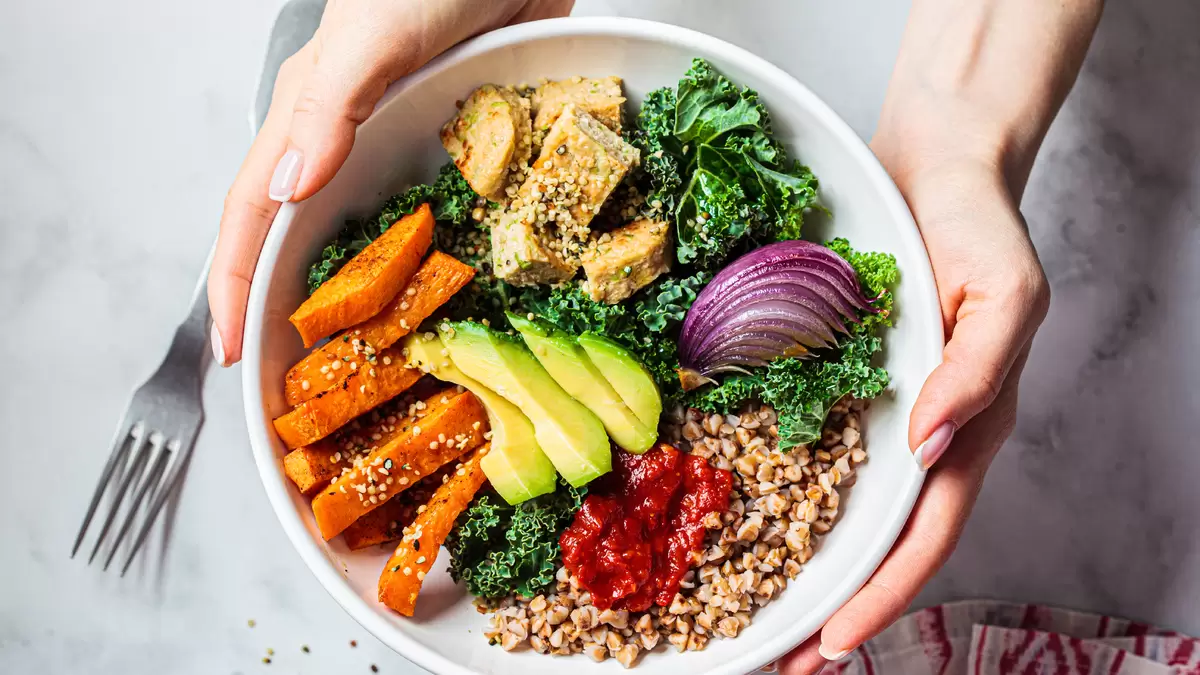
  • Fruits and vegetables - Fruits and vegetables should make up about half your plate. They are rich in fiber, vitamins, and antioxidants that help lower inflammation and support healthy blood vessels. Good blood flow allows kidneys to filter blood more efficiently. Fresh or frozen produce is usually a better choice than canned options, which often contain added sodium.
  • Whole grains - Whole grains like oats, quinoa, and wild rice help keep blood sugar levels steady and provide longer-lasting energy than refined grains. Keeping blood sugar in a healthy range lowers the risk of diabetes-related kidney damage. Moderate portions, about ½ to ¾ cup cooked, are usually a good place to start.
  • Lean protein - Protein is important, but portion size matters. Fish, skinless poultry, lean cuts of meat, eggs, and plant-based options like beans provide essential nutrients without creating excess waste in the bloodstream. Eating protein in balanced amounts helps reduce stress on the kidneys. Many of our heart healthy recipes are designed with this balance in mind and can be a helpful starting point.
  • Healthy fats - Foods like olive oil, avocado, nuts, seeds, and fatty fish such as salmon support heart health, which is closely connected to kidney health. Strong blood vessels improve circulation and help kidneys do their job more effectively.
  • Fluids - Staying well hydrated is one of the simplest ways to support kidney health. Water helps kidneys flush waste from the body and can lower the risk of kidney stones. Fluid needs vary based on age, activity level, and health conditions, but pale yellow urine is often a sign of good hydration.
Heart Healthy Southern BBQ Chicken Stir-Fry
Photo Credit: Adobe Stock
30 mins

Loaded with colorful vegetables and lean protein, this is a kidney-friendly meal you can feel good about eating.

Foods to Limit for Better Kidney Function

Some foods can put extra strain on the kidneys when eaten too often. These include:

  • High-sodium foods - Too much sodium can raise blood pressure and damage kidney blood vessels over time. Processed foods, canned soups, and many restaurant meals are major sources. Cooking at home more often and using herbs, spices, and citrus instead of salt can make a difference. It’s also helpful to follow low sodium recipes when cooking so you can enjoy flavorful meals with less salt.
  • Added sugars - Sugary drinks, desserts, and sweet snacks cause spikes in blood sugar and increase the risk of type 2 diabetes, one of the leading causes of kidney disease. Choosing water or unsweetened beverages and cutting back on sweets supports long-term kidney health.
  • Highly processed foods - Packaged snacks, fast food, and frozen meals often contain a mix of sodium, unhealthy fats, and added sugars. Limiting these foods reduces kidney strain and improves overall nutrition.

When You May Need a Renal Diet

For people with reduced kidney function or chronic kidney disease, a healthcare provider may recommend a renal diet that also limits nutrients like potassium, phosphorus, and sometimes protein. If you’re looking for delicious renal diet recipes, be sure to check out these blogs for ideas:

Grilled Turkey Burger
Photo Credit: iStock
45 mins

This flavorful burger meets recommended guidelines for a renal diet, according to Health eCooks dietitians.

Protecting Kidney Health Over Time

Kidney function naturally declines with age, which makes smart nutrition choices even more important later in life. At the same time, building healthy habits earlier can help protect your kidneys for years to come. By choosing balanced meals and relying on simple, nourishing foods, you support not just your kidneys, but your overall health every day.
 

Latest Blog Articles