FREEHealthy 30-Minute Meals
(Instant Download)
Sign Up for instant access to your free cookbook plus our most popular quick and healthy recipes!
Do you feel worn out no matter how much you sleep? Is it harder to focus than it used to be, or do you get out of breath faster than you normally would? Plenty of things can cause symptoms like these, and low iron is one of them. Your body uses this key mineral to make hemoglobin, the protein in your red blood cells that moves oxygen to every part of your body.
Worldwide, iron deficiency ranks among the most common nutrient shortfalls. Here in the U.S., the people most likely to have it are infants, young children, pregnant women, and women of childbearing age. Pregnancy, heavy periods, blood loss, and eating patterns that don't include much iron can all play a part.
The amount of iron you need depends on your age, your sex, and a few other factors. Here's how daily needs break down for most adults:
You'll find iron in lots of foods you probably already eat. Getting more of it comes down to knowing which foods are good sources, and which ones to eat together. These 5 strategies can help you boost your intake:
Each of these dishes from the Health eCooks kitchen combines the iron sources and vitamin C pairings suggested above, so they make it easy to put the tips into practice.

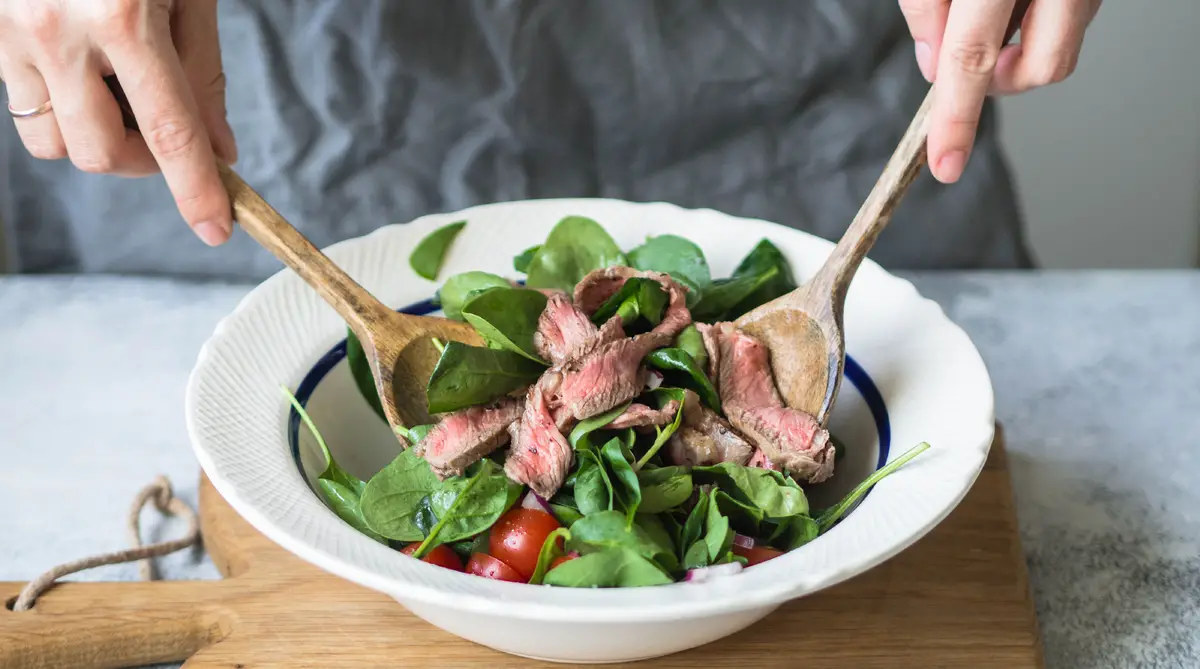
This salad puts heme and non-heme iron together in one bowl, with lean flank steak served over spinach. Sliced red and orange bell peppers plus a lime juice dressing add vitamin C to help you absorb the iron from the greens.
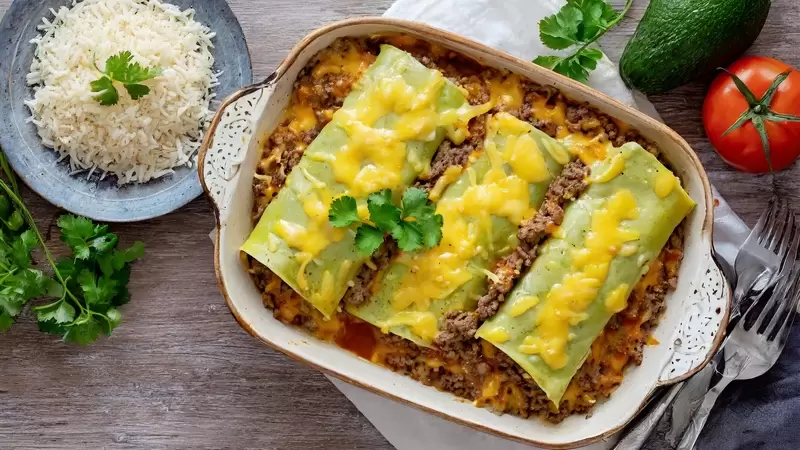
Lean ground beef and black beans team up in the filling, so you get iron from both animal and plant sources. Tomatoes and red bell pepper cooked right in add the vitamin C.
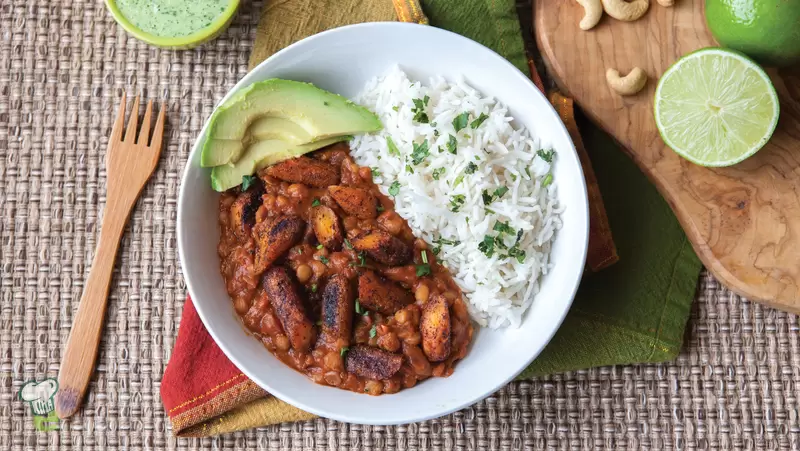
For a meatless meal, this plant-based bowl is a great pick. Red lentils make up the base, and a cilantro cashew sauce with fresh lime juice adds nuts and a hit of vitamin C.
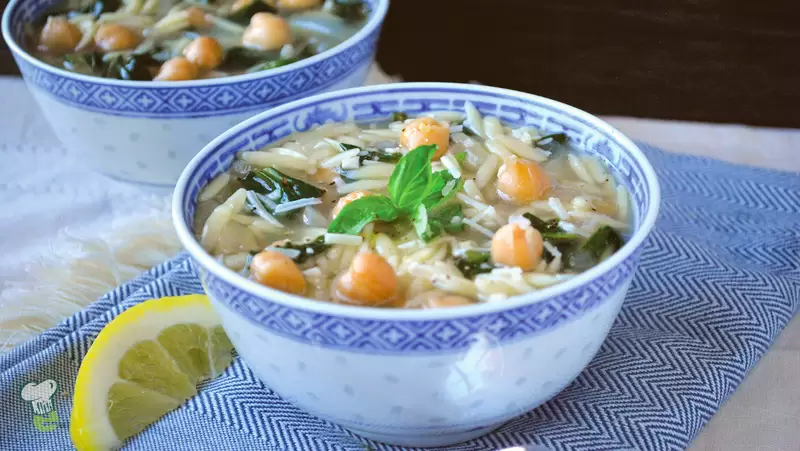
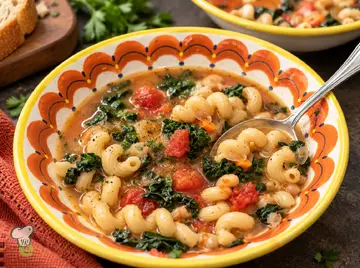
Chickpeas and a whole package of baby spinach give this soup plenty of plant-based iron. It's finished with lemon juice, which helps your body absorb more iron from the cooked spinach.
A good first step is putting more iron-rich foods on your plate. Pair them with a source of vitamin C, and try not to have coffee, tea, or calcium-rich foods at the same time. If you think your iron is low, talk to your healthcare provider, since you may need testing and possibly a supplement.
Lean beef, poultry, seafood, and liver are some of the best sources, and your body absorbs their iron most easily. Beans, lentils, tofu, spinach, nuts, seeds, and fortified breakfast cereals are good sources too.
Some easy combos include fortified cereal with strawberries, a bean salad with tomatoes, a tofu stir-fry with bell peppers, and cooked spinach with a squeeze of lemon juice.
Filling your plate with iron-rich foods is a smart way to start raising your iron levels. If you suspect your iron is low, though, ask your healthcare provider about a serum ferritin test. It measures your iron stores, which go down before your hemoglobin does.
You may need an iron supplement if you have a deficiency. Taking one without guidance from a medical professional can be harmful, though. It raises your risk of iron overload, or iron toxicity, because your body has no way to get rid of the extra iron.
(Instant Download)
Sign Up for instant access to your free cookbook plus our most popular quick and healthy recipes!