FREEHealthy 30-Minute Meals
(Instant Download)
Sign Up for instant access to your free cookbook plus our most popular quick and healthy recipes!
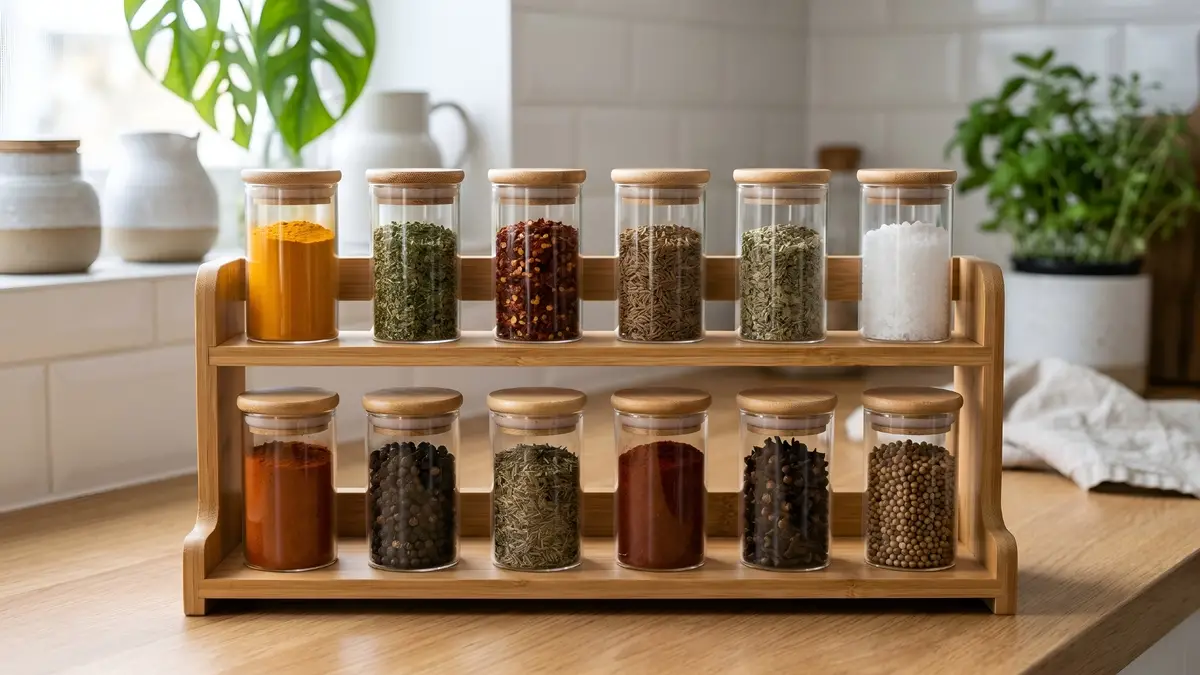
A single teaspoon of table salt has about 2,300 mg of sodium. That’s the entire daily limit set by the Dietary Guidelines for Americans, and it’s well past the 1,500 mg the American Heart Association calls ideal for most adults. But you’ll be happy to know that most of the herbs and spices already sitting in your cabinet have 1 or 2 mg of sodium per teaspoon, and plenty of them have less than that! That makes your spice rack the best place to start when you’re cutting back on salt.
In this guide, you’ll find the sodium numbers for 37 common herbs and spices, the ones that quietly hide salt, the label terms worth knowing, and the simple tricks our test kitchen uses to make food taste fully seasoned without a salt shaker. If you’re just getting started on a low sodium lifestyle, our Low Sodium Diet Guidelines, Tips and Recipes provides valuable information you can use in addition to what you’ll find here.
We pulled these numbers from USDA FoodData Central, the government’s nutrition database. They’re for pure, single-ingredient dried herbs and spices, measured per level teaspoon, so you can compare them directly against the roughly 2,300 mg in a teaspoon of salt.
These are about as close to sodium-free as food gets:
This group includes some of the hardest-working flavors in a low sodium kitchen:
Only 3 pure spices on our list go above 3 mg per teaspoon:
Even cloves, the highest of the bunch, have a tiny fraction of the sodium in a pinch of salt. A pinch (about 1/16 teaspoon) has roughly 145 mg, about 25 times more than a full teaspoon of cloves.
Once you stray from pure single-ingredient spices, there may be more salt hiding in the jar than you realize. A label can say garlic, chili, or lemon pepper on the front and still list salt as a main ingredient on the back. Here’s where it usually hides:
The quickest test is to check the ingredient list. If salt (or any ingredient with “sodium” in the name) shows up, check the sodium per serving on the Nutrition Facts panel before it goes in your cart.
Label terms have specific definitions set by the FDA and they don’t all mean the same thing. Here’s what each one means per serving:
Salt substitutes are something else entirely. Products like NoSalt and Nu-Salt replace some or all of the sodium chloride with potassium chloride. They work well for some people, but extra potassium can be dangerous for anyone with kidney disease or if you take certain blood pressure medicines, such as ACE inhibitors, ARBs, or potassium-sparing diuretics. Check with your doctor before using one.
Salt does more than make food taste salty. It brightens other flavors and makes a dish taste finished, so when you cut back, you need something else to give food that same lift. These are the tricks our test kitchen leans on most:
Give your taste buds some time, too. Research shows that after a couple of months of eating less salt, people start to prefer lower-salt foods, and some old favorites begin tasting too salty. For more everyday strategies, see A Dietitian Shares Tips to Lower Sodium Intake. And if you’re curious which spices may also help with blood pressure, Spices and Herbs That Lower Blood Pressure Naturally takes a closer look at ginger, cinnamon, cardamom, and garlic.
Once you know which spices are naturally low in sodium, it’s easy to combine them into mixes you’ll use all week. Each of these spice mixes was developed by our team of chefs and dietitians in the Health eCooks test kitchen to balance taste and nutrition, and all five come together in about 5 minutes. Keep a couple of these in your cabinet, and you’ll find yourself reaching for the salt shaker a lot less often.
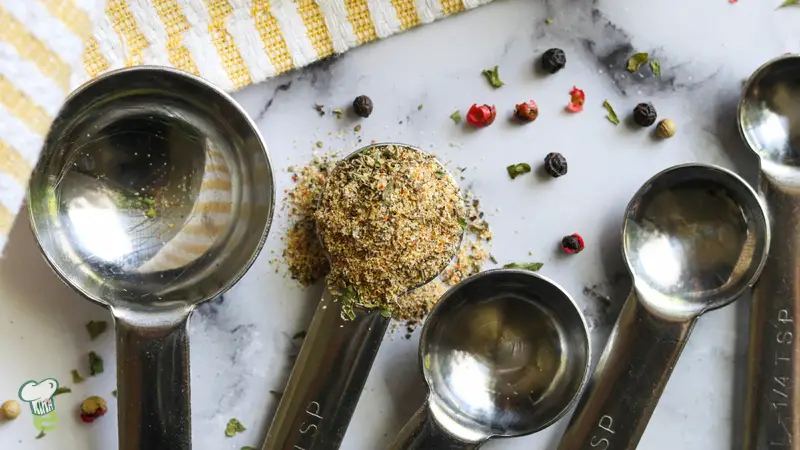
Total Time: 5 minutes | Sodium: 1 mg per serving | Makes 12 servings
This is the jar to keep right next to the stove. Garlic powder and onion powder lead the way, with thyme, marjoram, savory, basil, and parsley filling in the herby notes and a little cayenne and mace adding warmth. Shake it over chicken breasts, fish fillets, burgers, or a pan of roasted vegetables, or set it on the table for anyone who reaches for the salt shaker out of habit. It keeps for up to 6 months in an airtight jar.
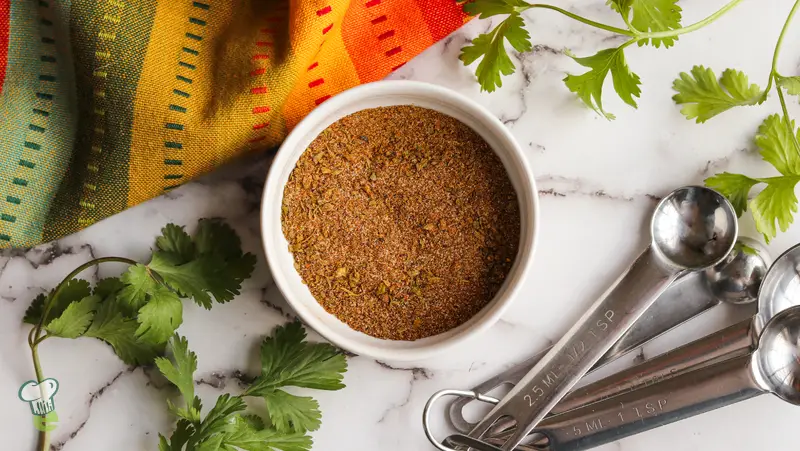
Total Time: 5 minutes | Sodium: 22 mg per serving | Makes 8 servings
Taco night is one of the easiest places to cut sodium. Store-bought taco seasoning mix has about 205 mg of sodium per teaspoon, and a serving of ours (just over 1 teaspoon) has only 22 mg! Chipotle powder and smoked paprika give it a deep, smoky flavor, while cumin and oregano keep it tasting like the real deal. One batch makes about 3 tablespoons, which is enough for 1 to 1 1/2 pounds of lean ground turkey, chicken, or beef. (Leave out the cayenne if your crowd likes it mild.)
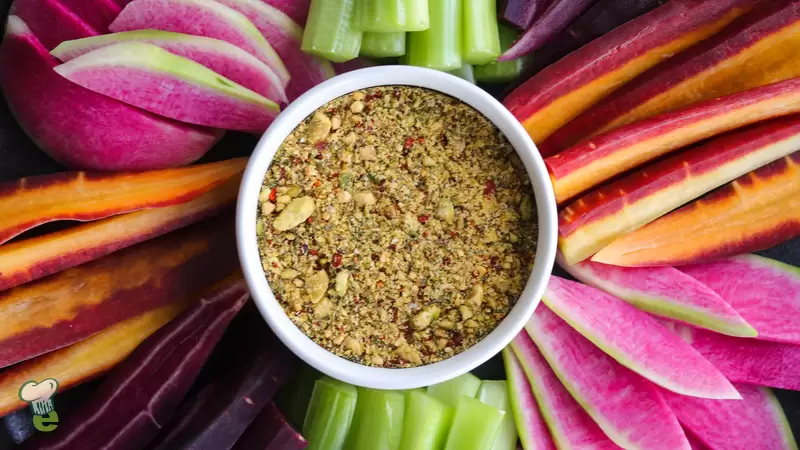
Total Time: 5 minutes | Sodium: 38 mg per serving | Makes 8 servings
Here’s a fun twist. Ground unsalted pistachios and nutritional yeast give this ranch mix a rich, almost cheesy taste without any dairy, and dill, paprika, onion, and garlic deliver the tangy, herby flavor you know and love. It does use 1/4 teaspoon of kosher salt, but that’s spread across the whole batch, so each serving has just 38 mg. Toss it with potatoes before roasting or try our Ranch Roasted Potatoes and Crispy Ranch Chicken, which both build this blend right into the recipe.
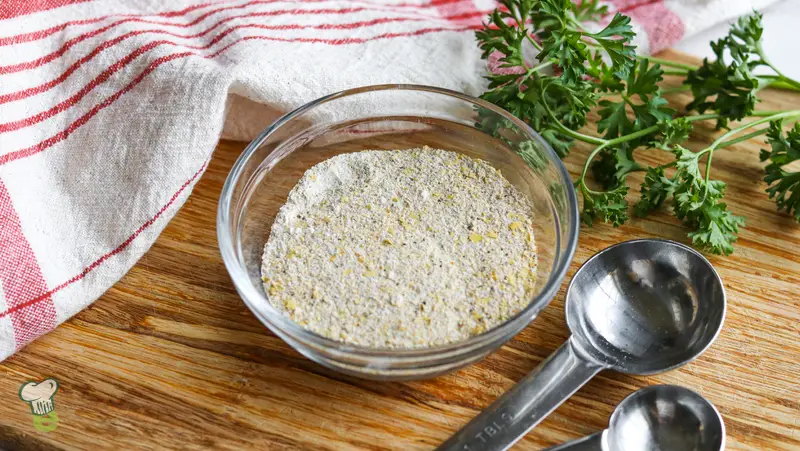
Total Time: 5 minutes | Sodium: 13 mg for the entire packet | Makes 1 packet
If boxed skillet dinners were a weeknight staple in your house, this one’s for you. Onion powder, nutritional yeast, garlic powder, dry mustard, and paprika recreate that familiar cheeseburger flavor, and a tablespoon of cornstarch helps thicken the sauce. The whole packet has just 13 mg of sodium. Stir it into our Cheeseburger Macaroni for a cozy one-pan dinner the whole family will love.

Total Time: 5 minutes | Sodium: 1 mg per serving | Makes 4 servings
Not every flavor boost comes from a jar. This marinade relies on minced shallot, fresh orange juice, white wine vinegar, olive oil, a touch of honey, and black pepper, and it comes in at 1 mg of sodium per serving. The orange juice and vinegar add the bright, tangy lift that salt usually provides. It’s just as good on fish, pork chops, and vegetables.
Here are answers to the questions we hear most about spices and sodium.
Paprika has about 1.6 mg of sodium per teaspoon, according to USDA FoodData Central, which makes it a great pick for a low sodium diet. Sweet, hot, and smoked paprika are all made from ground dried peppers. Just check the label on specialty blends, since a few brands add salt.
Garlic powder has about 2 mg of sodium per teaspoon, so it’s naturally low in sodium. Garlic salt is the one to watch, since it’s mostly salt. The same goes for onion powder (about 2 mg per teaspoon) and onion salt.
Garlic powder, onion powder, black pepper, smoked paprika, cumin, and dried herbs like thyme, oregano, and dill all add a lot of flavor with almost no sodium. Pair them with a squeeze of citrus or a splash of vinegar at the end of cooking, and most people don’t miss the salt.
Among pure spices, cloves (about 5.8 mg per teaspoon), cumin (about 3.5 mg), and celery seed (about 3.2 mg) are the highest, but all of them are still very low. The real sodium comes from blends that include salt, like chili powder, seasoned salt, lemon pepper, and packaged taco or sazón mixes.
Salt substitutes made with potassium chloride are safe for many people, but they aren’t right for everyone. If you have kidney disease or take a medicine that raises potassium (including some blood pressure medicines), ask your doctor first. Herbs and spices are a safe swap for nearly everyone.
The Dietary Guidelines for Americans recommend less than 2,300 mg a day for adults. The American Heart Association sets the same upper limit and suggests an ideal goal of 1,500 mg for most adults, especially those with high blood pressure. If you have a chronic health condition, ask your doctor or a registered dietitian what target is right for you. Our Low Sodium Diet Guidelines, Tips and Recipes walks through how to hit your goal, and every recipe in this guide is approved by Jane Schwartz, RDN, CLT, or one of our other Health eCooks registered dietitians.
A low sodium diet doesn’t have to be completely salt-free. A pinch of salt (about 1/16 teaspoon) has roughly 145 mg of sodium, so if you use one, add it at the end of cooking or right at the table, where you’ll taste it most. Pairing that pinch with the herbs, spices, and tricks in this guide goes a long way.
If you’re working on cutting back on sodium, these articles and recipe collections will help:
(Instant Download)
Sign Up for instant access to your free cookbook plus our most popular quick and healthy recipes!