FREEHealthy 30-Minute Meals
(Instant Download)
Sign Up for instant access to your free cookbook plus our most popular quick and healthy recipes!
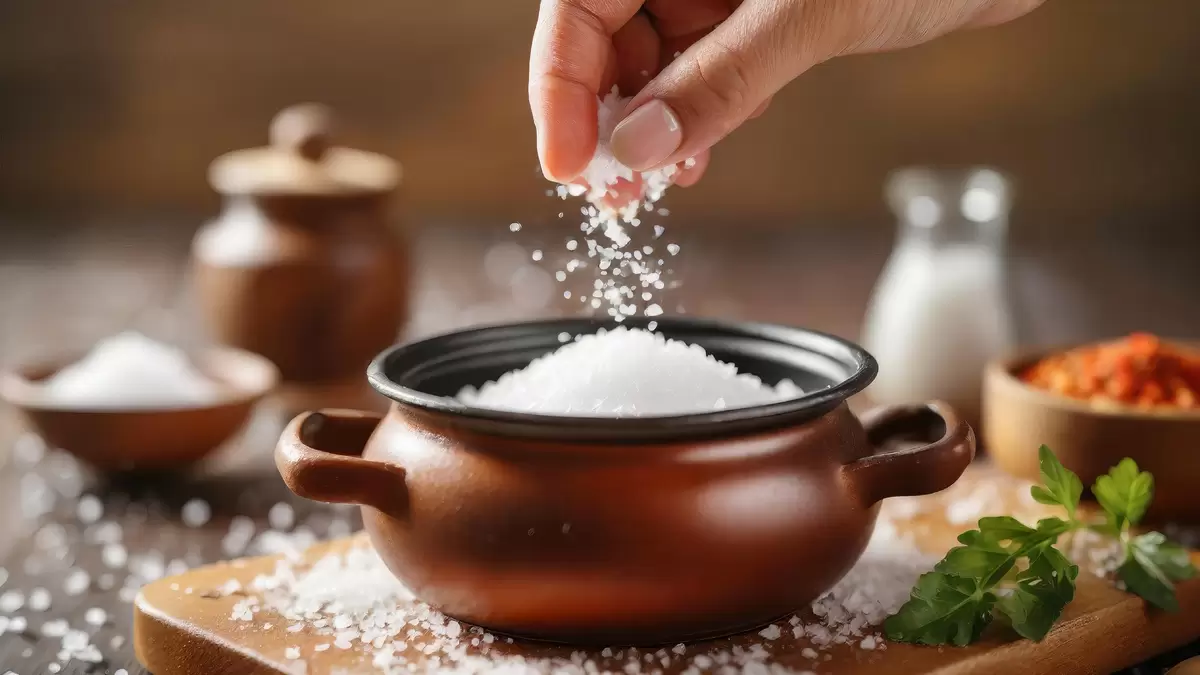
Salt shows up in more places than most people realize. That’s because it boosts flavor and helps preserve food, so it’s added to many packaged products people eat every day. It’s also used by restaurants to make food taste good. But while sodium is something your body needs in small amounts, getting too much of it is surprisingly easy to do.
Sodium plays an important role in keeping the body working properly. It helps balance fluids, supports nerve signals, and allows muscles to contract. But most people consume far more sodium than their bodies need. When intake stays high for years, it can place extra stress on the heart, kidneys, and bones even if you feel fine day to day.
One of the biggest concerns tied to high sodium intake is high blood pressure. Sodium causes the body to hold onto water, which increases the amount of fluid moving through blood vessels. That extra volume raises pressure inside the arteries, forcing the heart to work harder. Because high blood pressure often has no noticeable symptoms, many people don’t realize there’s an issue until damage has already occurred.
The kidneys are also affected by excess sodium. These organs filter waste and help regulate fluid levels in the body. When sodium intake is consistently high, the kidneys have to work harder to remove the excess. Over time, this added strain can increase the risk of kidney disease or make existing kidney problems worse.
High sodium diets may also impact bone health. When sodium intake is elevated, the body may lose calcium through urine. Since calcium is essential for strong bones, this loss may contribute to bone thinning over time.
Many people assume salty snacks are the main source of sodium in most diets, but much of the sodium in the average diet comes from foods that don’t necessarily taste salty. Packaged and processed foods are often the biggest contributors.
Some common high sodium foods include canned soups, frozen meals, deli meats, bacon, sausage, and hot dogs. Bread and pizza also contain surprising amounts of sodium. Condiments and sauces, like soy sauce, salad dressings, ketchup, and seasoning mixes, are another sneaky source. Restaurant meals tend to be high in sodium as well, since salt is used to boost flavor.
Consuming less sodium doesn’t mean you have to give up the foods you enjoy. One easy thing to do is to check nutrition labels and compare sodium amounts between similar products. Choosing lower sodium or no-salt-added options can reduce overall intake. If you eat canned foods, like beans and vegetables, rinsing them can wash away some of the added sodium.
Cooking more meals at home is one of the best ways to maintain control over how much salt goes into your food, according to Health eCooks dietitians. There are plenty of delicious low sodium recipes that taste surprisingly good. They rely on herbs, spices, garlic, citrus juice/zest, and vinegar to enhance taste so you don’t need as much salt.
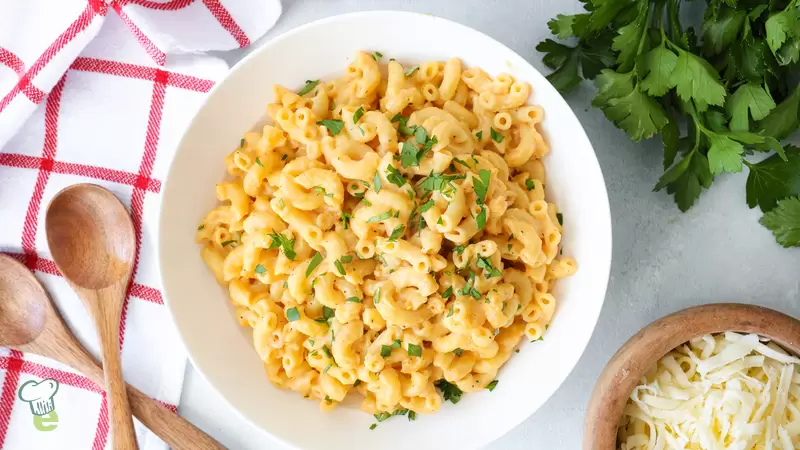
When you replace processed foods, like jarred spaghetti sauce or boxed mac and cheese, with homemade versions, such as our low sodium spaghetti sauce or mac and cheese recipe, you’ll not only reduce sodium intake but enjoy authentic homemade taste.
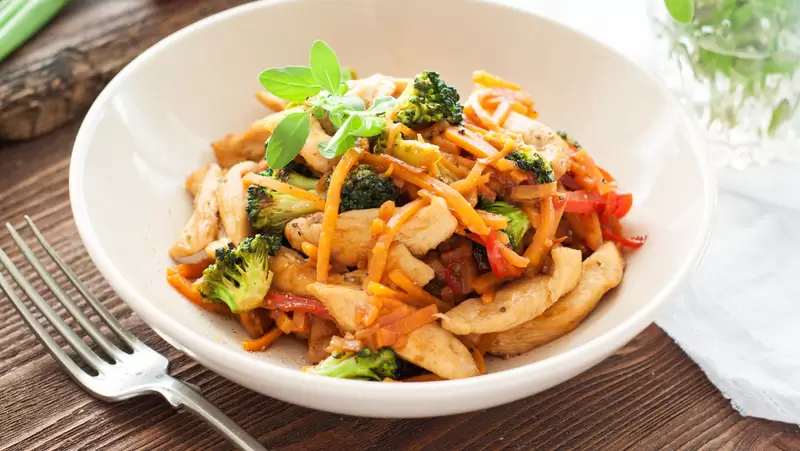
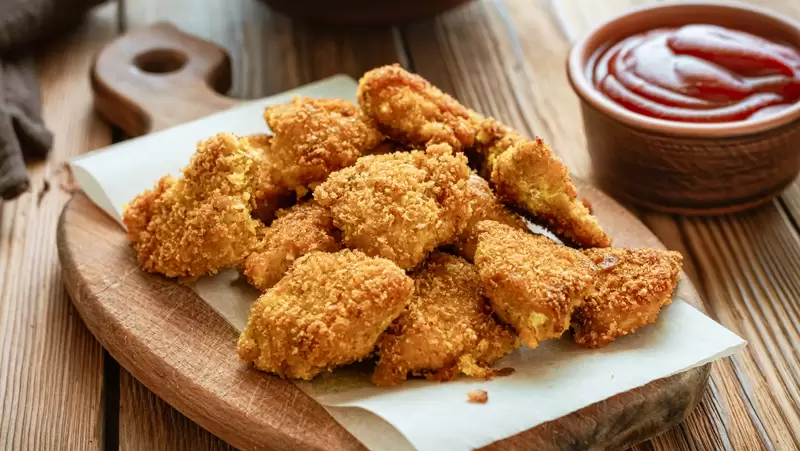
Cooking foods that you tend to rely on takeout for, such as stir-fries, chicken nuggets, and pizza, can also significantly reduce the amount of sodium in your diet.
From appetizers and snacks to main entrées and side dishes, you’ll be amazed at the flavorful dishes you can prepare without loading up on sodium when you cook at home. And even if you add a small pinch of salt at the table, you’ll consume far less sodium than what is typically found in many processed and restaurant foods.
Becoming more aware of hidden sodium is a simple but powerful step toward supporting heart health, kidney function, and overall wellness. As you’ll find, preparing delicious low sodium recipes is a great way to meet recommended dietary guidelines for sodium while enjoying the foods you love. And over time, your taste buds will adjust and foods with less sodium will start to taste just as satisfying as those loaded with salt.
(Instant Download)
Sign Up for instant access to your free cookbook plus our most popular quick and healthy recipes!