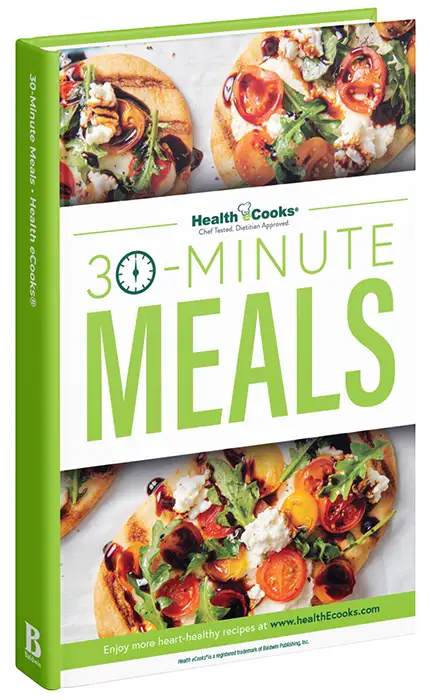
FREEHealthy 30-Minute Meals
(Instant Download)
Sign Up for instant access to your free cookbook plus our most popular quick and healthy recipes!
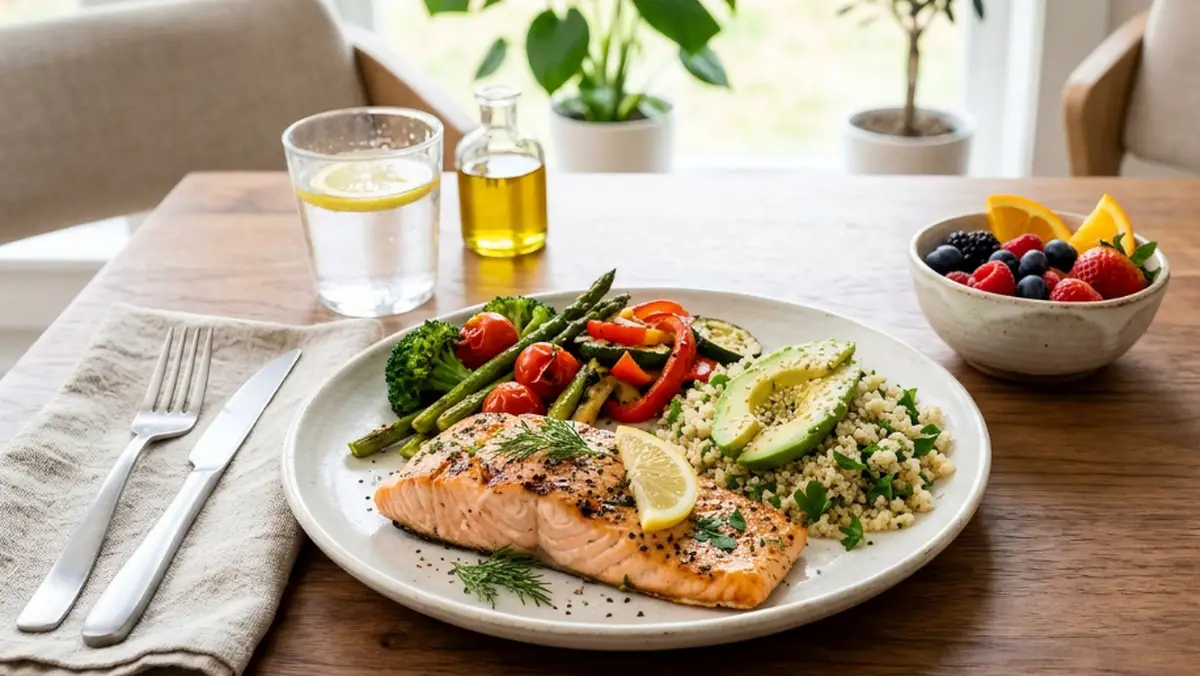
If your heart sometimes feels like it's racing, fluttering, pounding or skipping a beat, you may wonder if something you ate caused it. The answer can be yes. Certain foods and drinks trigger heart palpitations in some people. But there's no single "palpitation diet," and a food that bothers one person may not bother you at all.
Most people don't have to give up their favorite foods to get this under control. It's more about looking for patterns, learning your own triggers, and leaning on fresh ingredients when you cook. Our Health eCooks registered dietitians see this all the time, and small changes tend to work better than a long list of rules.
Palpitations are that unsettling awareness of your own heartbeat. People describe them a few different ways:
Most of the time, palpitations are brief and harmless. They often show up after a meal, after coffee, or during a stressful stretch of the day. Still, tell your doctor about them, especially if they're new or happening more often.
Before you cut anything out of your diet, spend a week or two figuring out what's actually setting off your symptoms. The list of possible triggers is long, and most of it won't apply to you. A simple food and symptom diary sorts that out fast.
Each time palpitations show up, jot down:
Patterns show up faster than you'd expect. Maybe it's the second cup of coffee, not the first. Maybe it's takeout nights rather than anything you cook. A diary also gives your healthcare provider something concrete to work from instead of a vague description.
Use the sections below as your watch list, not your do-not-eat list.
These are the usual suspects. Start with the ones that line up with when your symptoms show up.
Coffee, caffeinated tea, soda, chocolate and energy drinks all contain caffeine or similar stimulants that can speed up your heartbeat. Some people are far more sensitive to caffeine than others. Moderate coffee is fine for plenty of adults, but if you notice palpitations after your morning cup, cutting back or switching to decaf is a reasonable experiment.
Energy drinks deserve extra caution. They can carry very high amounts of caffeine, and many also include stimulant ingredients like guarana or bitter orange that add to the effect.
Try swapping your afternoon energy drink for water, a caffeine-free herbal tea, or sparkling water with lemon if bubbles don't bother your stomach.
Alcohol is another common trigger. It can also leave you dehydrated, which may make your heart feel like it's working harder than usual. If your heart races after a glass of wine, a beer or a cocktail, take a break for a week or two and see whether things settle down.
A spicy meal sets off palpitations in some people. Rich, heavy meals can also cause heartburn or an uncomfortable, full feeling, and that can make your heartbeat feel more noticeable than it really is. If a big or spicy dinner tends to do it, try smaller portions and milder seasonings. Our guide to acid reflux trigger foods covers this overlap in more detail.
You can still build big flavor without the heat. Garlic, lemon, fresh herbs, ginger and roasted vegetables all do a lot of work.
Processed meats, canned soups, packaged meals, salty treats and many restaurant dishes carry a surprising amount of sodium. High-sodium eating is linked with palpitations for some people, and eating less sodium is a core part of a heart-healthy pattern either way. Cooking at home is the easiest way to control how much salt ends up in your food.
Instead of reaching for the salt shaker, use herbs, spices, citrus juice or vinegar. When you're buying packaged foods, compare Nutrition Facts labels and pick the lower-sodium option. For more, see our tips to lower sodium in your diet.
Large amounts of sugary foods and refined carbs can cause quick swings in blood sugar, and those swings contribute to palpitations in some people. This matters most if you're prone to low blood sugar. Balanced meals that include protein, fiber and healthy fats help keep things steadier.
That doesn't mean dessert is off the table. Look for treats built on oats, fruit, nuts and seeds, and enjoy them in reasonable portions.
It isn't only what you eat. How much you eat in one sitting, and how quickly, matters too. A very large meal pulls blood flow toward digestion, and your heart rate can pick up in response. Eating too fast can do the same thing.
Smaller meals spread across the day, eaten a little more slowly, are often enough to make a difference on their own.
A few specific ingredients show up again and again for people who are sensitive to them:
None of these bother most people. But if your diary keeps pointing at aged cheese or takeout, take a closer look at them.
Cutting triggers is only half of it. Some nutrients play a direct role in keeping your heart's rhythm steady, and most people can get plenty of them from food.
Magnesium supports normal heart rhythm, and running low on it is common. Good sources include dark leafy greens like spinach and kale, pumpkin seeds, almonds, black beans, lentils and whole grains.
Potassium helps balance sodium and supports steady heart function. Reach for bananas, sweet potatoes, avocados, white beans, tomatoes and leafy greens. If you have kidney disease or take certain blood pressure medications, ask your doctor before you add a lot more potassium. Your needs may be different.
Omega-3 fats support overall heart health. Salmon and other fatty fish are the standouts, along with walnuts, chia seeds and ground flaxseed.
Dehydration throws off your electrolyte balance, and that alone can bring on palpitations. Water is the simplest fix. Herbal teas count, and so do water-rich foods like cucumbers, melon, oranges and soups.
You'll find more of the big picture in our heart-healthy diet guidelines.
Here's what all of that looks like on a plate. Each of these recipes from our Health eCooks Test Kitchen leans on one of the nutrients above, and every one keeps sodium low enough that you won't be undoing your own work.
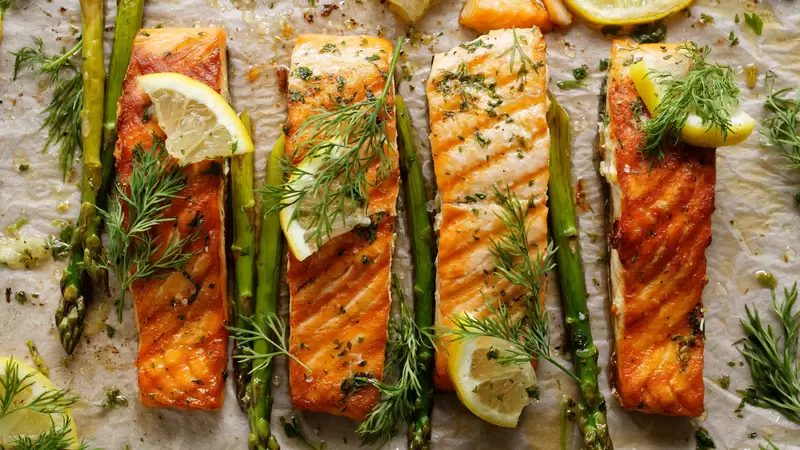
This is your omega-3 dinner. Salmon is the easiest way to get those heart-supporting fats, and the asparagus alongside it needs nothing more than olive oil, lemon and pepper to taste like something. Each serving has 31 grams of protein and just 108 milligrams of sodium, which is remarkable for a main dish and shows how much flavor you can get without the salt shaker.

Kale and white beans are both solid magnesium sources, and beans add potassium on top of that. Soup does double duty here since the broth counts toward your fluids for the day. At 170 calories and 5 grams of fiber per serving, it's filling without being the kind of heavy meal that leaves you feeling your heartbeat.
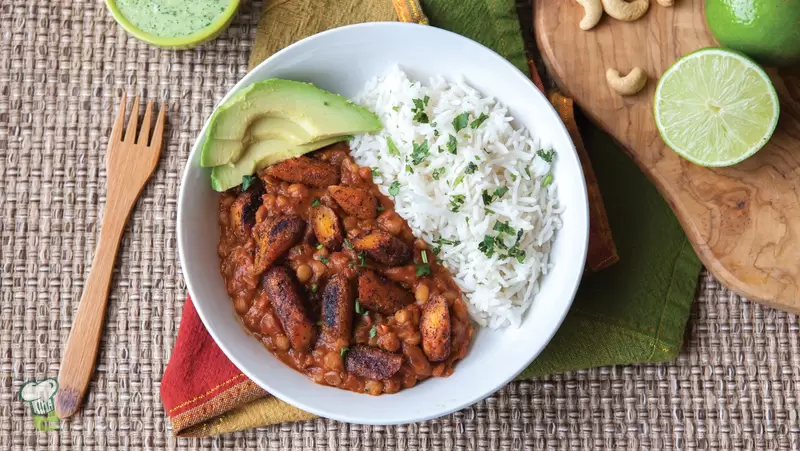
Lentils are one of the best plant sources of magnesium and potassium at the same time. This bowl has 9 grams of fiber per serving, the most of any recipe on this list, and that fiber is what keeps blood sugar from spiking and dropping after you eat. The warm spices give it plenty of flavor without the heat that bothers some people.

Potatoes are a potassium powerhouse, and people forget that because potatoes usually arrive buried in salt. These come in at 20 milligrams of sodium per serving, the lowest of anything here. The thin fanned slices crisp up at the edges and stay soft in the middle, so you get plenty of texture without reaching for the shaker.
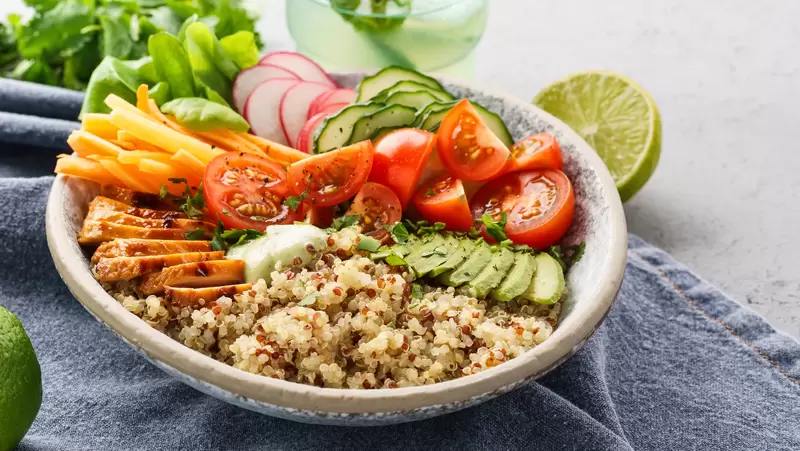
Quinoa is a whole grain with real magnesium, and pairing it with lean chicken gives you the protein-plus-fiber combination that keeps blood sugar steady. Each serving has 15 grams of protein, 5 grams of fiber and only 73 milligrams of sodium. This is the shape a lot of your meals should take if blood sugar swings are one of your triggers.

More kale, and one of the easiest ways to eat it in real quantity. The crunch comes from the kale and the toasted seeds rather than anything fried, and 25 grams of protein per serving makes it substantial enough to be dinner rather than a side. At 100 milligrams of sodium, it leaves you plenty of room in the rest of the day.
It can, though sensitivity varies a lot from person to person. Caffeine is a stimulant, and in people who are sensitive to it, coffee, tea, soda and energy drinks can all speed up the heartbeat. Energy drinks are the ones to watch most closely, since they often combine high caffeine with other stimulant ingredients. If you suspect caffeine is your trigger, cut back gradually rather than quitting cold turkey, which can bring on headaches.
A few things could be going on. A large meal increases blood flow to your digestive system and your heart rate may rise to keep up. A high-sugar or high-refined-carb meal can cause a blood sugar swing. A very salty, spicy or rich meal can trigger symptoms in some people, and heartburn can make a normal heartbeat feel more noticeable. Eating too fast can contribute as well.
There's no food that stops an episode once it starts, but eating patterns can reduce how often they happen. Focus on magnesium-rich foods like leafy greens, nuts and seeds, potassium-rich foods like bananas and sweet potatoes, omega-3 sources like salmon and walnuts, and enough fluids to stay hydrated. Regular, balanced meals help more than any single food.
It can. When you're dehydrated, your electrolyte balance shifts, and electrolytes like potassium, sodium and magnesium help regulate your heart rhythm. Alcohol and hot weather both make dehydration more likely. Drinking water steadily through the day is one of the simplest changes you can make.
Usually not. Occasional palpitations after a meal are common and typically harmless. They become a concern when they're frequent, long-lasting, or paired with chest pain, shortness of breath, dizziness or fainting. Those symptoms call for medical attention right away. Our registered dietitians can help with the food side, but a diagnosis has to come from your provider.
Most palpitations are harmless, but some deserve prompt attention. Call your doctor if palpitations are new, happening more often, or lasting longer than they used to.
Get medical help right away if palpitations come with any of these:
Palpitations can also be tied to things that have nothing to do with food, including thyroid conditions, anemia, anxiety, low blood sugar, and medications like decongestants and some inhalers. Bring your food diary to the appointment. It helps your provider rule the food question in or out quickly and move on to whatever else might be going on.
The goal isn't to make every meal perfect. Start with simple swaps. Choose fresh foods more often, use less salt, keep an eye on caffeine and alcohol, drink enough water, and cook with ingredients that support your heart. A few small changes can make everyday meals both delicious and easier on your heart.
Nicole Lawson, MS, RD, LDN is a registered dietitian providing outpatient medical nutrition therapy and diabetes education at Advocare Nutrition and Diabetes Center in New Jersey, where she works with patients managing diabetes, cardiovascular disease and weight. She also develops recipes and reviews menus for nutritional adequacy as a dietitian with Whitson's Culinary Group, and holds a master's in clinical dietetics from Grand Valley State University. Follow Nicole on Instagram at @nutritionbynik.
(Instant Download)
Sign Up for instant access to your free cookbook plus our most popular quick and healthy recipes!