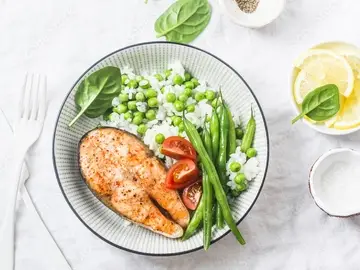
FREEHealthy 30-Minute Meals
(Instant Download)
Sign Up for instant access to your free cookbook plus our most popular quick and healthy recipes!
If you’ve started waking up in the middle of the night feeling overheated, noticed stubborn belly fat that won’t budge, or felt like your body suddenly changed the rules, you’re not alone. Menopause can bring on a host of symptoms, and many women wonder what the best foods to eat during menopause are to help them feel more like themselves again.
Hormone shifts during menopause, especially the drop in estrogen, affect much more than your menstrual cycle. They can influence your metabolism, where your body stores fat, your bone strength, heart health, mood, and even how well you sleep. While this stage of life is natural, the symptoms are very real. And what’s on your plate can make a difference in how you feel.
Here’s an overview of some of the best foods to eat during menopause to naturally ease symptoms and protect your health as your body changes, according to Health eCooks dietitians, and why they’re a good addition to your diet.
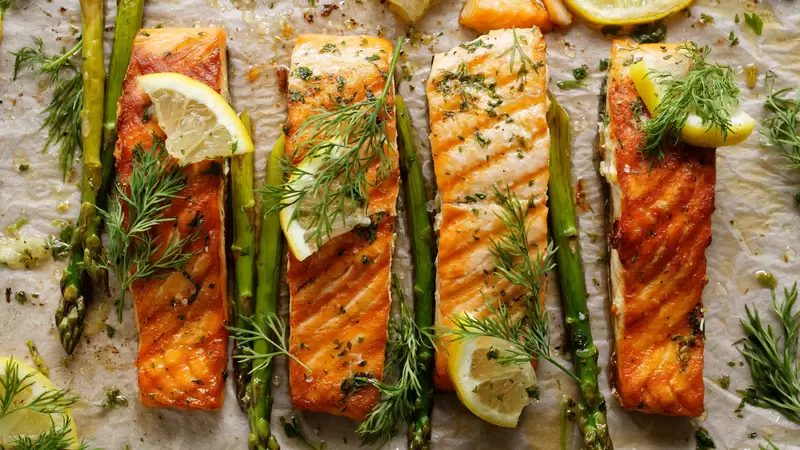
As estrogen declines, heart disease risk rises. That’s one reason fatty fish like salmon, sardines, trout, and mackerel are so helpful during this stage. They’re rich in omega-3 fatty acids, which support heart health and help lower inflammation.
Some research suggests omega-3s may also support mood, which can swing during this stage. Aim to include fatty fish two times per week to get these benefits.
Try this recipe: Grilled Salmon with Asparagus
Bone loss speeds up after menopause, which increases the risk of osteoporosis. Protecting bone health becomes essential, which is why adding more calcium and vitamin D to your diet is important.
Calcium-rich foods include:
Vitamin D helps your body absorb calcium. Fatty fish, fortified dairy products, and safe sun exposure can help you meet your needs. Pairing calcium and vitamin D is one of the smartest nutrition moves during menopause.
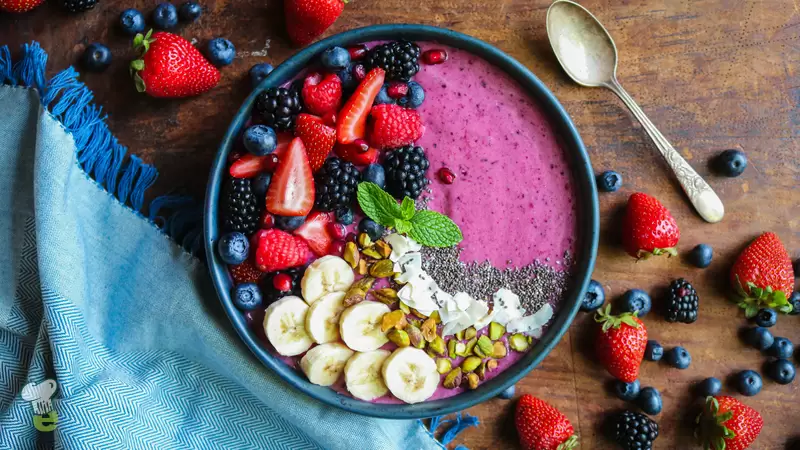
Try this recipe: Berry Smoothie Bowl
Many women notice weight gain during menopause, especially around the midsection. Part of this happens because muscle mass naturally decreases with age, which can slow metabolism.
Including protein at every meal helps protect muscle, keeps you full longer, and supports blood sugar balance. The best foods to eat during menopause to lose weight often include lean protein sources such as:
Protein doesn’t just help with weight. It also supports strength and healthy aging overall.
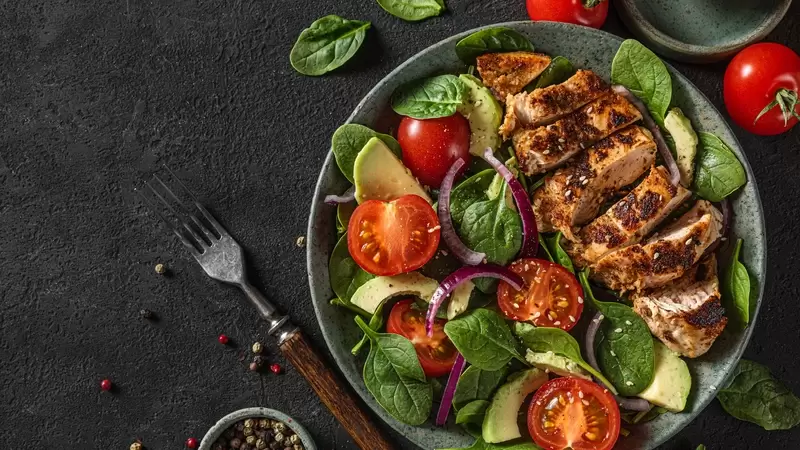
Try this recipe: Balsamic Chicken
Fiber is often overlooked, but it's one of the most important nutrients during menopause. It helps regulate digestion, supports heart health, and can help lower cholesterol, which matters more once estrogen levels drop.
High-fiber choices include:
If you're looking for good foods to eat during menopause for weight management, fiber should be at the top of the list. It slows digestion, so you feel satisfied on less and stay full longer between meals.
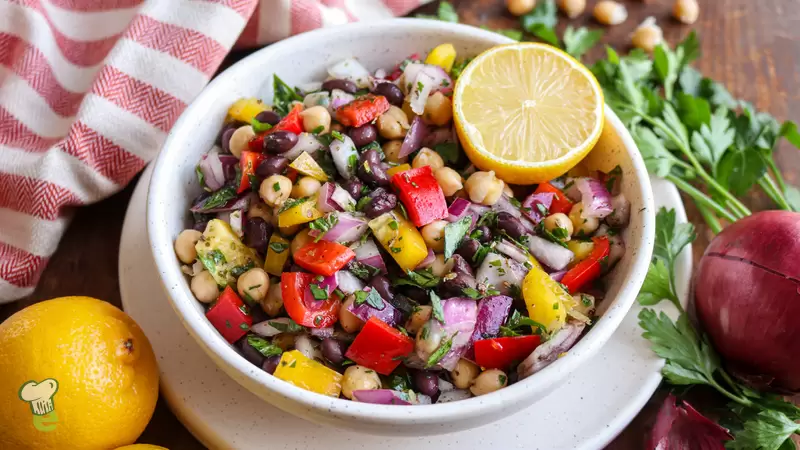
Try this recipe: Dense Bean Salad
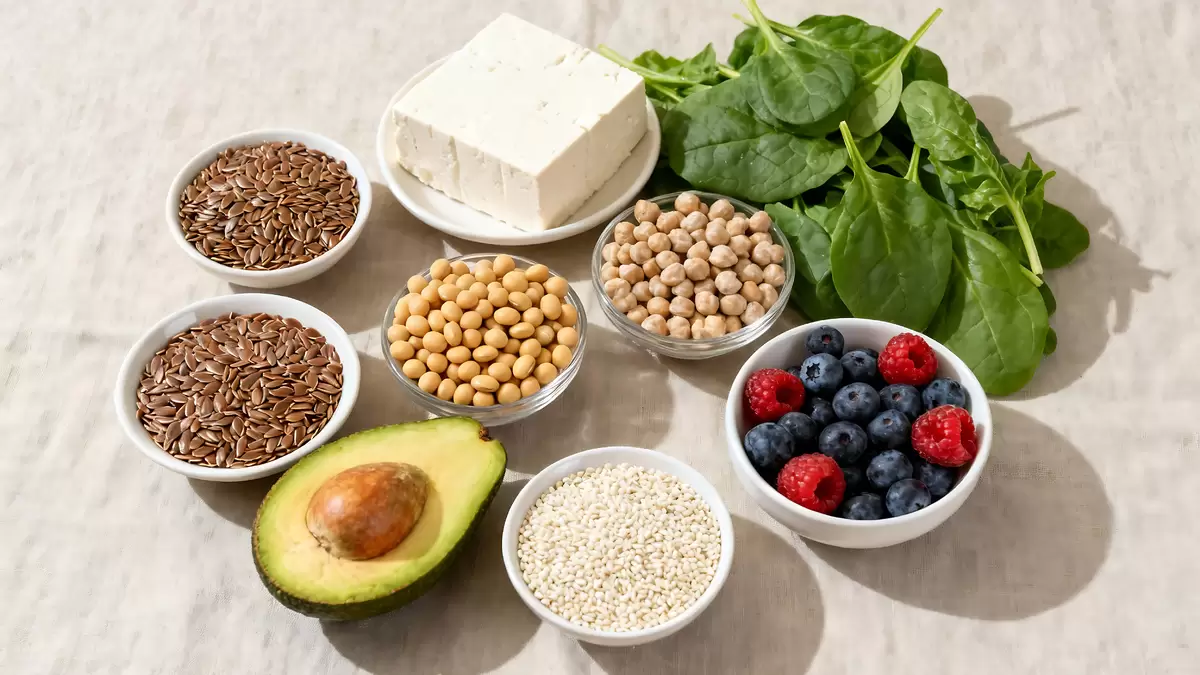
Phytoestrogens are plant compounds that act similarly to estrogen in the body, though much weaker. Whole soy foods are the best source, and they add protein to your meal at the same time.
Soy options include:
Ground flaxseed is another simple addition. Stir a spoonful into oatmeal, yogurt, or a smoothie. If you've wondered whether soy is safe to eat, see what the research says about soy and breast cancer risk.
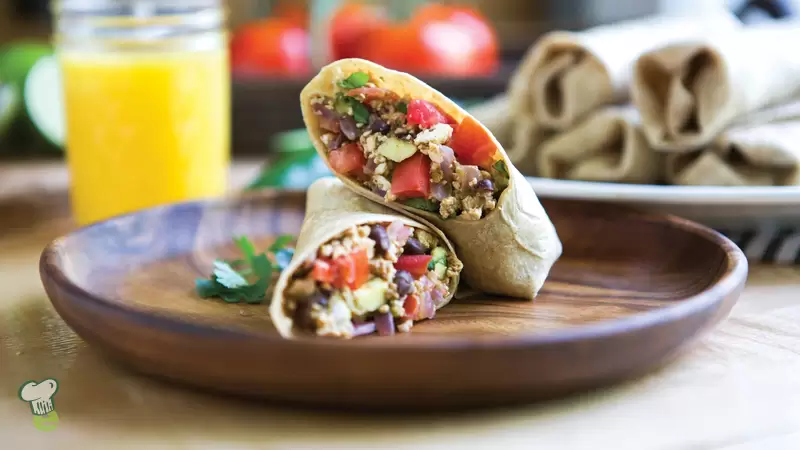
Try this recipe: Tofu Breakfast Burrito
Not all fats are created equal. Swapping saturated fats for heart-healthy options can make a big difference during menopause.
Focus on:
These fats support heart health and help meals feel more satisfying. That satisfaction can help prevent mindless snacking, which often contributes to menopause-related weight gain.
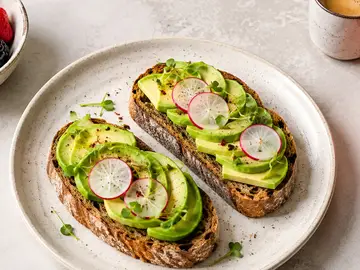
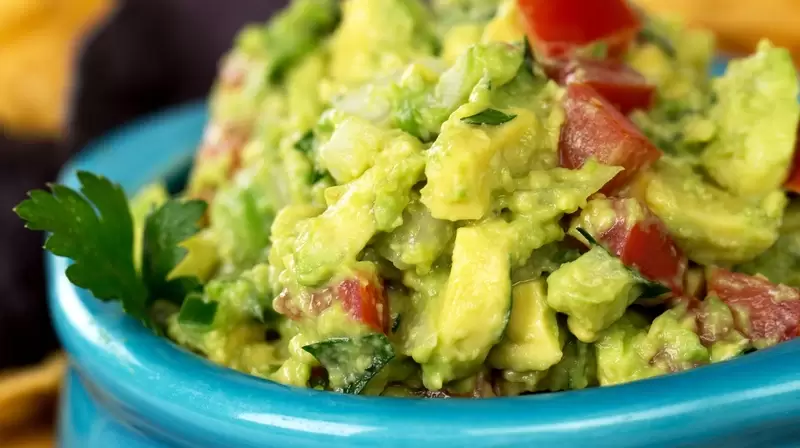
Try this recipe: Guacamole
Just as important as knowing what the best foods to eat are during menopause, it's helpful to recognize which foods are the ones that may worsen symptoms. Some women notice that caffeine, spicy foods, or alcohol can trigger hot flashes. Highly processed foods and added sugars may also contribute to weight gain and inflammation. Keeping a simple food journal can help you identify personal triggers.
Cutting back on triggers is only half of it. There are also foods that may help with hot flashes, night sweats, restless sleep, and the brain fog that can come with this stage.
Menopause isn’t something you can control, but your nutrition choices are. Choosing balanced, nutrient-dense foods to eat during menopause can help support bone strength, protect your heart, maintain muscle, and manage weight gain and belly fat.
To help you find tasty ways to incorporate all of these good foods to eat during menopause into your diet, check out the vast collection of healthy recipes on our site that incorporate these menopause-friendly foods, from fatty fish and other lean proteins to fiber-rich foods, those that contain soy and healthy fats, and recipes that are high in calcium and vitamin D. These menopause recipes have all been developed by chefs and dietitians to taste delicious while helping you to feel better and stay healthier.
(Instant Download)
Sign Up for instant access to your free cookbook plus our most popular quick and healthy recipes!