FREEHealthy 30-Minute Meals
(Instant Download)
Sign Up for instant access to your free cookbook plus our most popular quick and healthy recipes!
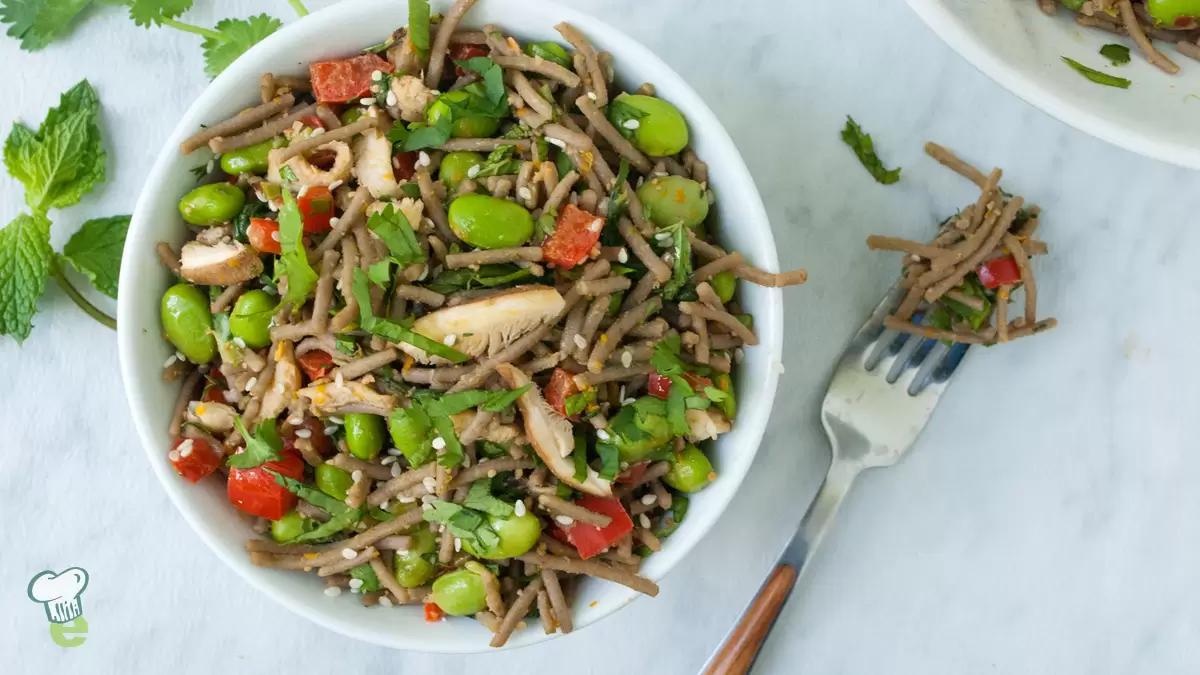
Try this easy, 30-minute soba noodle recipe for a high-protein stir-fry that brings vibrant Asian-inspired flavors right to your kitchen. We load a sizzling pan with fresh vegetables and a natural protein boost from edamame and creamy peanut butter, creating a satisfying vegetarian meal. Buckwheat-based soba noodles and low-sodium tamari make this dish both deeply savory and heart-healthy! Whether you serve it warm from the wok or as a chilled noodle bowl, you'll love the balance of zesty lime, fresh orange, and a hint of heat from crushed red pepper.
See more healthy 30-minute dinner recipes.
This recipe prioritizes nutrient-dense, whole-food ingredients like fiber-rich buckwheat noodles and plant-based proteins to create a heart-healthy alternative to traditional takeout. By replacing excess salt with fresh citrus and aromatics, it delivers a high-protein meal that supports cardiovascular health and stable energy levels.
(Instant Download)
Sign Up for instant access to your free cookbook plus our most popular quick and healthy recipes!
Soba noodles cook much faster than wheat pasta. Be sure to cook them just until tender and rinse them immediately under cold water to stop the cooking process and remove excess starch.
It can be! Ensure your soba noodles are 100% buckwheat (some brands mix in wheat flour) and use tamari or coconut aminos instead of traditional soy sauce.
Yes. It holds up well in the fridge. We recommend keeping a little extra dressing on the side to refresh the noodles just before serving, as they will soak up the sauce.
Absolutely. While designed as a vegetarian dish, it pairs excellently with grilled chicken breast or shrimp for those looking for an extra protein boost.
These tasty Asian-inspired recipes are bursting with fresh veggies and classic flavors from aromatics, ginger and citrus.
Whether you’re looking for a vegetarian bowl or a meat or seafood option, you’ll love these recipes that combine fresh herbs and tender noodles for a healthy alternative to takeout.
Recipe yields 4 servings
In a large pot of salted boiling water, cook soba noodles and edamame until tender but still firm. Drain and gently rinse with cold water. Transfer to a bowl, add sesame oil and toss to coat.
In a blender, purée the orange juice, peanut butter, rice vinegar, lime juice, orange zest, tamari, garlic, lime zest and red-pepper flakes until smooth. Set aside.
In a skillet, heat the olive oil over medium heat until hot. Add the mushrooms and bok choy and stir-fry for 2 minutes. Add the bell pepper and stir-fry until softened, about 2 minutes.
In a large bowl, combine bok choy mixture, scallions, chopped cilantro and mint. Add dressing and noodles and toss gently to coat. Garnish with cilantro sprigs, additional scallions and sesame seeds, if desired.
Up your soba noodle game with any of these easy flavor variations:
What to Serve With This Soba Noodle Stir-Fry: Complement the savory peanut flavors with a crisp Asian Cucumber Salad or a light low calorie miso soup.
If you cannot find soba, whole-wheat spaghetti or brown rice noodles work well, though the nutty buckwheat flavor will vary.
Swap edamame for crispy tofu cubes or chickpeas if you prefer a different texture.
Use sunflower seed butter or tahini in place of peanut butter for a nut-free version of the savory sauce.
If baby bok choy isn't available, chopped kale, spinach, or shredded Napa cabbage are excellent leafy alternatives.
Replace tamari with coconut aminos for a lower-sodium, soy-free seasoning option.