FREEHealthy 30-Minute Meals
(Instant Download)
Sign Up for instant access to your free cookbook plus our most popular quick and healthy recipes!
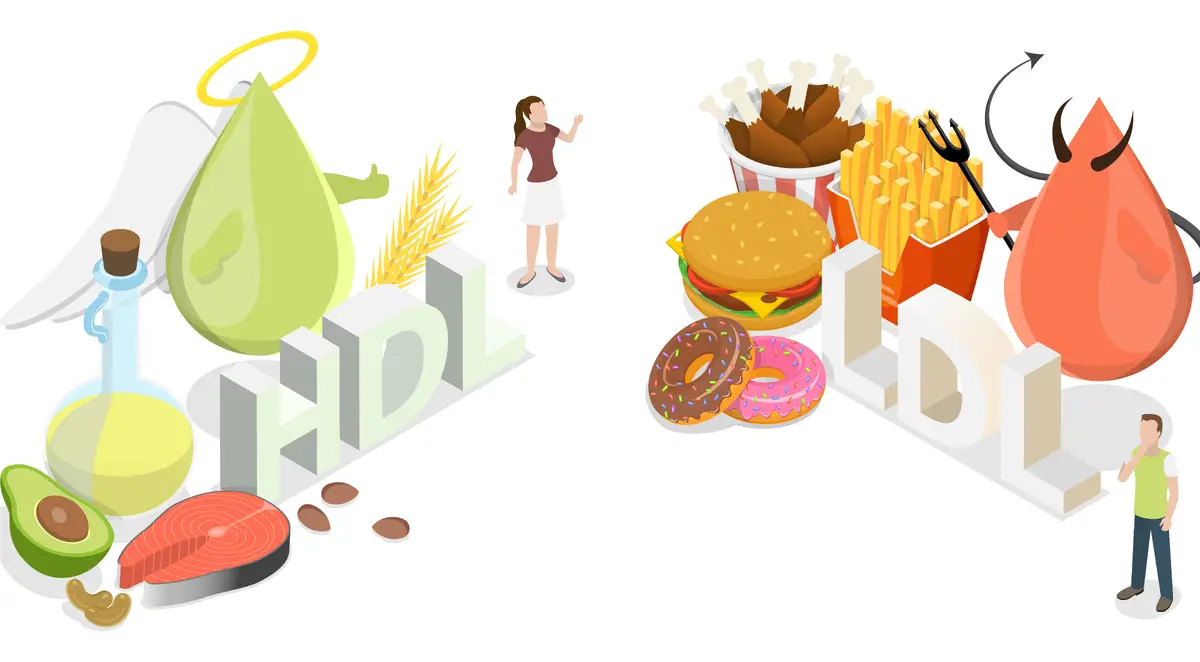
Getting a cholesterol test back can feel like staring at a foreign language. Is your number good? Bad? Somewhere in between? The truth is that a single cholesterol number doesn't tell the whole story. Your results break down into several different measurements, each one giving your doctor a different clue about your heart health.
You've probably heard people mention "good" cholesterol and "bad" cholesterol, but what do those labels actually mean — and why does it matter which one is high or low? Below, our health experts explain what shows up on a lipid panel, what healthy ranges look like, and the everyday habits (many of which start in your kitchen) that can help keep your numbers in check. For more heart-friendly eating ideas, check out our heart-healthy recipes collection.
Cholesterol isn't automatically the villain it's made out to be. It's a waxy, fat-like substance your body relies on to build new cells, produce hormones, and break down food during digestion. Your liver produces all the cholesterol you need on its own, but additional cholesterol also enters your system when you eat certain animal-based foods.
Cholesterol travels through your bloodstream in two main forms: LDL and HDL. Understanding the difference between them is the key to understanding your test results.
LDL stands for low-density lipoprotein. It's nicknamed "bad" cholesterol because its job is to deliver cholesterol to your arteries — and when there's too much circulating in your blood, it can build up along artery walls as plaque. Over time, this plaque narrows your arteries, restricts blood flow, and raises your risk of heart attack and stroke.
Healthy target: For most adults, an LDL level under 100 mg/dL is ideal. If you already have heart disease or a high risk of developing it, your doctor may want your LDL even lower.
HDL, or high-density lipoprotein, works in the opposite direction. Think of it as your body's cleanup crew — it collects excess cholesterol from your arteries and shuttles it back to the liver, where it's filtered out of your system entirely.
Healthy target: At least 40 mg/dL for men and at least 50 mg/dL for women.
Beyond LDL and HDL, your test results will also include:
Your doctor won't look at these numbers in isolation. They'll weigh your full lipid panel alongside your age, blood pressure, diabetes status, smoking history, and family history before deciding whether cholesterol treatment is necessary.
The good news is that everyday lifestyle choices — especially what ends up on your plate — can make a difference in your cholesterol numbers. Here's where to start:
If these habits alone aren't enough to bring your numbers into a healthy range, your doctor may recommend cholesterol-lowering medication as an additional step.
High cholesterol typically causes no noticeable symptoms, and you can feel completely fine while plaque quietly builds up in your arteries. That's why routine blood testing is important — it's often the only way to catch a problem early.
Knowing your cholesterol numbers gives you the power to act before complications develop, whether that means adjusting your daily habits, rethinking what's in your pantry, or working with your doctor on a treatment plan. For more information about eating for a healthier heart, visit our heart health guidelines and browse our site for recipes, tips, and meal ideas designed to support your cholesterol goals.
Since what you eat has such a big impact on your cholesterol levels, it’s the perfect place to start when trying to get or keep your cholesterol under control. Here are some recipes and meal ideas that may help lower cholesterol and improve heart health. They’re delicious, nutritious, and easy to make, too!
(Instant Download)
Sign Up for instant access to your free cookbook plus our most popular quick and healthy recipes!