FREEHealthy 30-Minute Meals
(Instant Download)
Sign Up for instant access to your free cookbook plus our most popular quick and healthy recipes!

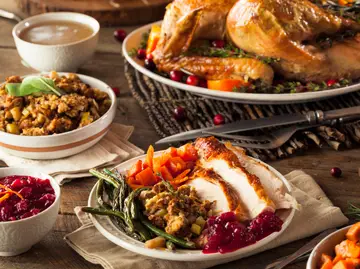
Some of the best parts of a holiday meal, from savory stuffing and creamy casseroles to ham, gravy, and party dips, often contain a lot of sodium. If you're trying to cut back, a few changes can make a difference in how much salt you eat without sacrificing flavor, so you don't have to skip your favorite foods.
Most adults should have less than 2,300 milligrams of sodium a day, and your doctor may recommend even less, such as 1,500 milligrams daily. Many Americans, however, average more than 3,300 milligrams a day. Regularly consuming too much sodium can raise blood pressure and increase the risk of heart disease and stroke.
Eating too much salt at one meal won't have major health effects, but there's still no reason to go overboard just because it's the holidays. These easy tips can help you keep sodium in check while you enjoy your traditional favorites.
Much of the sodium people eat comes from packaged, prepared, and restaurant foods. Whenever possible, make your holiday dishes with fresh or minimally processed ingredients. For example, use fresh or frozen vegetables in place of canned, and choose fresh potatoes over boxed potato mixes. Changes like these can lower the sodium in a meal without making it feel any less festive.
Our Low Sodium Mashed Potatoes start with fresh potatoes and unsalted vegetable stock and have just 26 milligrams of sodium per serving. And our Healthy Green Bean Casserole is made with fresh green beans and no canned mushroom soup, for 192 milligrams of sodium per serving.
Sodium levels can vary widely from one brand to the next, even for similar foods. When you're shopping for broth, gravy, canned vegetables, sauces, cheese, and other holiday staples, check the Nutrition Facts label. Compare products and choose the one with less sodium per serving. You can also look for foods labeled "low sodium," "reduced sodium," or "no salt added." Just remember that "reduced sodium" doesn't necessarily mean a food is low in sodium, so it's still important to check the actual number.
If you make your gravy from scratch, our Caramelized Onion Gravy uses unsalted chicken broth and has 137 milligrams of sodium per serving.
Instead of adding salt automatically, use fresh or dried herbs, spices, garlic, onion, citrus juice, or vinegar. They add plenty of flavor with little or no sodium. Try rosemary and thyme on roasted vegetables, cinnamon and nutmeg on sweet potatoes, or lemon and garlic on green beans.
Our Roasted Vegetables are seasoned with rosemary, thyme, and basil, and our Healthy Sweet Potato Casserole gets its warm flavor from cinnamon and nutmeg. For an all-purpose salt-free blend to keep on hand, mix up a jar of our Homemade Mrs. Dash Seasoning Blend.
Some traditional holiday foods are naturally more likely to send your sodium numbers soaring. The sodium in ham, cured meats, cheese, gravy, stuffing, canned soups, dinner rolls, and packaged appetizers can add up quickly. If you're limiting sodium, you don't have to avoid these foods completely. It's best, though, to enjoy smaller portions and balance them with lower-sodium choices such as fresh vegetables, fruit, unsalted nuts, or a simple salad.
In place of a packaged appetizer, set out our Christmas Tree Veggie Tray with Dip, which has 178 milligrams of sodium per serving, or pick a homemade dip from our 15 low sodium dips.
It's easy to add salt out of habit, whether you're cooking or sitting down to eat. Taste your food first. If a dish needs a little something more, try pepper, herbs, spices, or a squeeze of lemon before you add salt.
If there's a holiday dish you look forward to all year, enjoy it. Just keep your portion reasonable and go easier on other high-sodium foods. Making a few lower-sodium choices during the meal lets you enjoy the traditions you love while still keeping your health in mind.
(Instant Download)
Sign Up for instant access to your free cookbook plus our most popular quick and healthy recipes!