FREEHealthy 30-Minute Meals
(Instant Download)
Sign Up for instant access to your free cookbook plus our most popular quick and healthy recipes!
If you take a GLP-1 medication like Ozempic, Wegovy, Mounjaro, or Zepbound, you've probably noticed that your appetite changes a lot. When you fill up fast, every bite counts! That leads to a common question: "Should I even be eating carbohydrates (carbs), and how much?"
Short answer: Yes, you should! Carbs are your body's main source of fuel. The trick is choosing the right ones in the right amounts. This guide walks you through which carbs work best on a GLP-1, how much to eat, and when to eat them, so you can fit them into the GLP-1 diet guidelines you're already following.
Not all carbs act the same way in your body. Some help keep you full for longer without spiking your blood sugar, and some don't.
Simple carbs digest quickly. Think sugars, soda, juice, candy, pastries, and white bread. They can spike your blood sugar fast and then drop it, which leaves you hungry again soon. For many people on GLP-1s, very sugary foods can also upset the stomach.
Complex carbs are built from long chains that take your body more time to break down and digest. That slower pace means steadier energy and blood sugar levels, and it keeps you full for longer. This category includes starches, which usually come packaged with fiber (another type of complex carb!) in their whole form.
Added sugars, or simple carbs, usually lack fiber. The natural sugar in a piece of fruit is different, though. It comes with fiber and water, so it works similarly to a starch.
Fiber is a type of complex carbohydrate that your body can't digest. It slows everything down, so sugar enters your blood more slowly. GLP-1 medications already slow how fast your stomach empties, and fiber teams up with that effect to help you feel satisfied longer.
This is why whole, fiber-rich carbs are such a strong choice. A cup of beans and a handful of crackers might have a similar carb count, but they won't act the same way in your body.
Fiber also helps with constipation, which is a common side effect of these medications. Add it slowly, and remember to drink plenty of water. Too much fiber too fast can cause gas and bloating (you can read more about that in Fibermaxxing: The Benefits and Drawbacks of High Fiber Foods).
A whole grain keeps all three parts of the grain: the bran, the germ, and the starchy middle. Refined grains, like white bread and white rice, have the bran and germ taken out, and that removes a lot of the fiber.
When you shop, look for "100% whole wheat" on the package, or a whole grain listed as the first ingredient on the label.
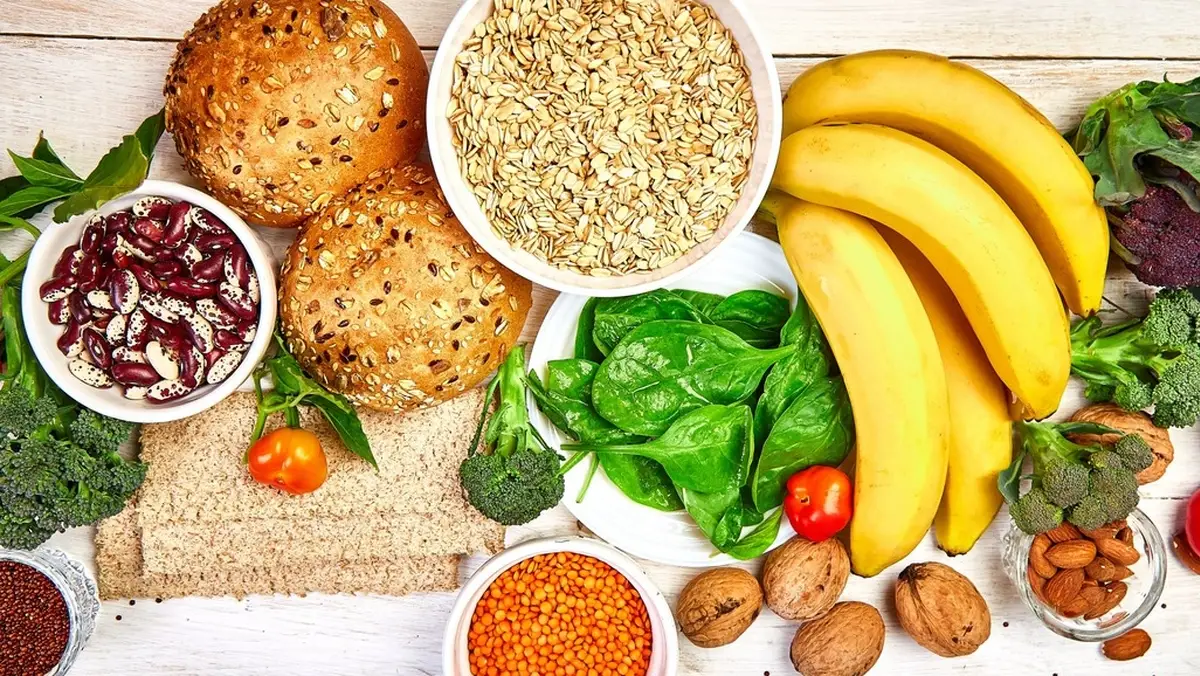
These carbs give you fiber, steady energy, and in some cases a little extra protein too:
Everybody's needs are different, so check with your own care team. As a starting point, try filling about a quarter of your plate with a high-fiber carb like the ones I mentioned. That's usually around ½ cup of a cooked grain like rice or quinoa. Fill another quarter with protein, and the rest with veggies.
Since your stomach fills up quickly, eat the protein first. Then go for the veggies and carbs.
Spread your carbs out through the day instead of eating them all at once. A few tips can help:
You don't have to cut carbs on a GLP-1 diet. Instead, choose carbs that work harder for you. Pick whole, fiber-rich ones, keep the portions modest, and pair them with protein.
Each of these recipes puts a different healthy carb on your plate, paired with protein, vegetables, or both. All were developed and tested by the Health eCooks Test Kitchen and reviewed by registered dietitians.
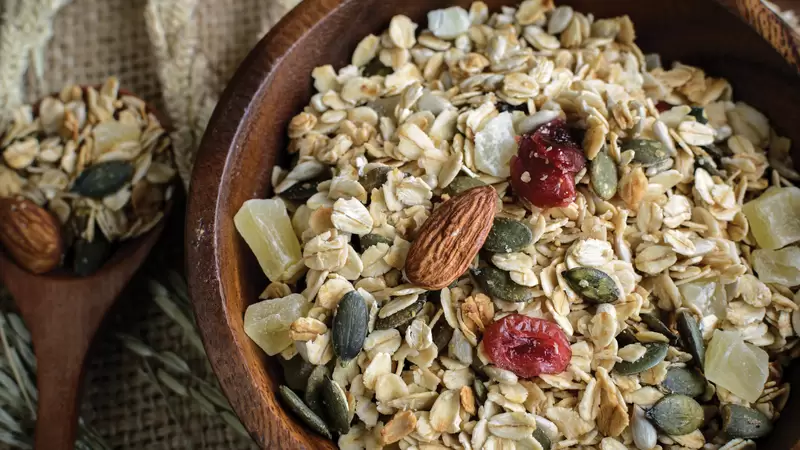
Oats are one of the gentlest ways to start the day, and this no-cook muesli soaks rolled oats with grated Granny Smith apples, chopped almonds, and dried cranberries. Each serving has 6 grams of fiber for 257 calories. Spoon it over plain Greek yogurt or add a splash of milk to work some protein into your breakfast.

Here's a recipe that gets two of the best carbs on a GLP-1 into one colorful dish. Quinoa and black beans fill sweet bell peppers along with carrots, peas, and a little melted cheese. You'll get 11 grams of protein and 7 grams of fiber per pepper, all for 224 calories.

Beans really are a fiber powerhouse, and this cozy chili proves it with 10 grams of fiber in every bowl. Great northern beans simmer with shredded chicken breast, tomatillos, and warm spices until everything is thick and comforting. With 33 grams of protein, it's a filling dinner that checks the protein-plus-carb box all by itself.

Roasted sweet potato and nutty farro make this salad hearty enough for lunch, while shredded chicken adds 15 grams of protein. Crisp apple, radishes, sunflower seeds, and a tangy Dijon dressing keep each bite interesting. At 164 calories per serving, it's a light option that still feels like a real meal.


Barley gives this creamy, tomato-rich risotto its chewy, hearty texture and 8 grams of fiber per serving. It's an easy way to try a whole grain you may not cook often. Serve a modest portion next to grilled chicken or fish to round out your plate with protein.

Brown rice and black beans form the base of this bowl, topped with seasoned ground chicken and a zesty tomatillo sauce made with Greek yogurt, cilantro, and lime. It's the most filling recipe on this list, with 38 grams of protein and 12 grams of fiber for 465 calories. If that's more than you can eat in one sitting, split it into two smaller meals.
You don't have to cut carbs on a GLP-1 diet. Carbs are your body's main source of fuel. The key is to choose whole, fiber-rich carbs, keep the portions modest, and pair them with protein.
Everybody's needs are different, so check with your own care team. A good starting point is to fill about a quarter of your plate with a high-fiber carb, which is usually around ½ cup of a cooked grain like rice or quinoa. Fill another quarter with protein and the rest with veggies. For more on building balanced meals, see our GLP-1 diet guidelines.
Simple carbs like sugars, soda, juice, candy, pastries, and white bread digest quickly. They can spike your blood sugar and then drop it, leaving you hungry again soon. For many people on GLP-1s, very sugary foods can also upset the stomach. Our guide to GLP-1 foods to avoid has more on what to skip.
Fiber helps with constipation, which is a common side effect of GLP-1 medications. Add it to your diet slowly and drink plenty of water, since too much fiber too fast can cause gas and bloating.
The natural sugar in fruit comes with fiber and water, so it works similarly to a starch in your body. Berries and other fruits are sweet, fiber-rich, and a smart swap for sugary treats.
_____________________________
Hilda Ronn, MS, RD, RDN, is a registered dietitian with Nourish, where she provides one-on-one telehealth nutrition counseling for adults. She specializes in GLP-1 medication support, weight management, type 2 diabetes and prediabetes, heart disease, menopause, and plant-based nutrition. Hilda holds a master's degree in human nutrition from Drexel University and completed her dietetic internship at the University of Maryland Medical Center. For more from Hilda, read High Protein, Low Calorie Foods That Keep You Full.
Connect with Hilda Ronn, MS, RD, RDN, on LinkedIn.
(Instant Download)
Sign Up for instant access to your free cookbook plus our most popular quick and healthy recipes!