FREEHealthy 30-Minute Meals
(Instant Download)
Sign Up for instant access to your free cookbook plus our most popular quick and healthy recipes!
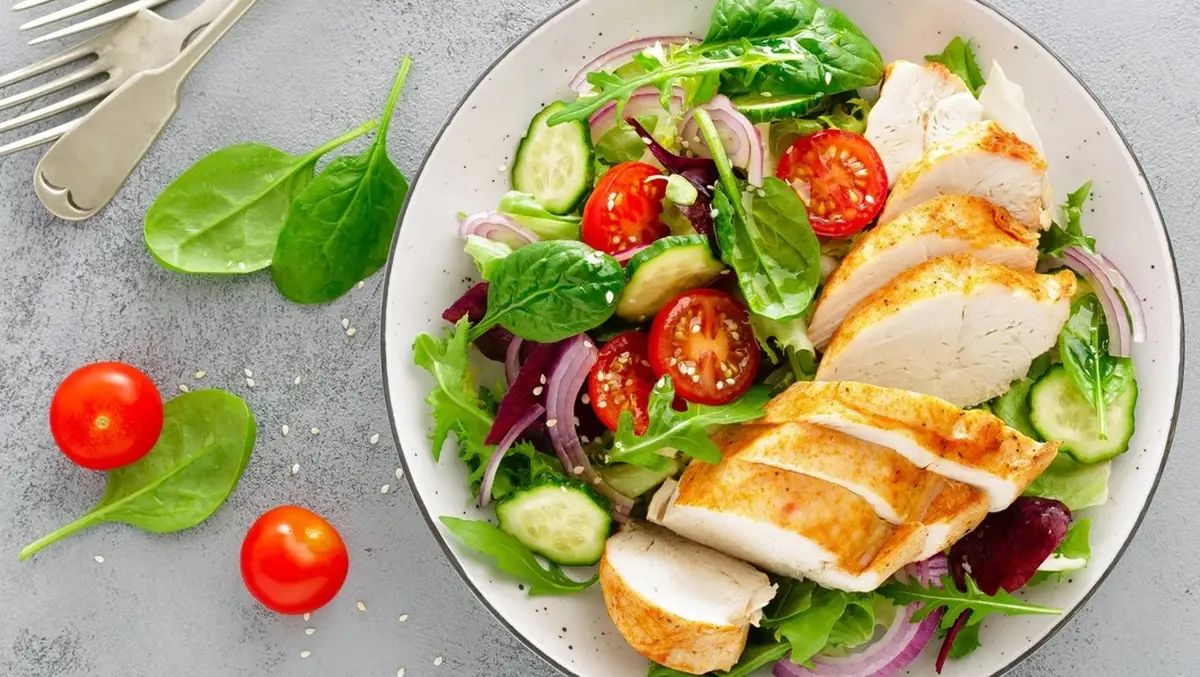
Eating less doesn't have to mean feeling hungry, especially when you add high protein and whole foods to your diet! Satiety, or feeling full and satisfied, depends a lot on what's on your plate, and protein is one of the best tools we have for feeling fuller on fewer calories.
If you're taking a GLP-1 medication like Ozempic, Wegovy, Mounjaro, or Zepbound, this matters even more. Your appetite is smaller, so every bite counts, and high protein foods help preserve muscle mass while you lose weight. You'll find more GLP-1 tips in A GLP-1 Diet for Weight Loss: Guidelines, Tips and Recipes. Even if you aren't on a GLP-1, high protein, low calorie foods are a useful tool for weight loss or weight maintenance.
Protein takes longer for your body to break down than sugars or other carbohydrates. That means it sticks around longer and helps you feel full between meals. It also helps steady your blood sugar, so you're less likely to get a sudden craving or that ravenous feeling an hour before dinner.
Protein protects your muscles, too. When you lose weight, your body can lose some muscle along with fat. Eating enough protein, along with staying active (especially with strength training), helps you hold on to that muscle. And as we age, maintaining muscle mass becomes extra important.
Low calorie doesn't have to mean tiny portions or bland food. Some foods give you a big serving for not many calories, and the most filling low calorie foods are usually high in protein, fiber, or water. Think of a big bowl of vegetable soup with chicken compared to a handful of chips, or a large piece of fruit compared to a small piece of candy. The calories might be fairly close, but only one of each pair will keep you full.
When you pair lean protein with high fiber foods like vegetables and beans, you can stay satisfied for hours without an energy crash.
These foods give you a lot of protein for the calories, and most of them are easy to find at any grocery store. Mix and match them to build meals and snacks you'll actually look forward to.
Animal proteins are some of the most concentrated sources of protein you can find, and choosing lean protein foods keeps the calories down:
Plant proteins come with a bonus that meat doesn't have. They also contain fiber, which adds to that full feeling. If you eat vegetarian, these four can carry most of your protein:
These low calorie, high protein snacks are some of the easiest ways to get protein between meals, and many of them need little or no cooking:
Everyone's needs are different, so it's a good idea to check with your own care team or a registered dietitian. A good place to start is a palm-sized portion of protein at every meal. That's about 3 to 4 ounces of chicken or fish, 1 cup of Greek yogurt, or 2 to 3 eggs.
If you like reading nutrition labels, a high protein snack has about 10 grams of protein, and a meal might land somewhere around 30 grams. If you're on a GLP-1 and fill up fast, try eating your protein first so you're sure to get enough. Still not sure you're getting enough? Read Am I Eating Enough Protein? Signs You May Need More and How Much Protein Should I Eat?
Knowing which foods to buy is half the job. These small habits make it easy to actually eat them:
Feeling full and eating fewer calories can go hand in hand. Focusing on what you can add, not just what you need to cut out, makes your diet more varied and much easier to stick with. Building meals around lean protein, fiber, and lots of vegetables helps you feel satisfied, protects your muscles, and makes healthy eating feel a lot less like a fight.
Each of these recipes puts the foods I mentioned to work. They were all developed and tested in the Health eCooks Test Kitchen and reviewed by our registered dietitians to balance taste and nutrition.
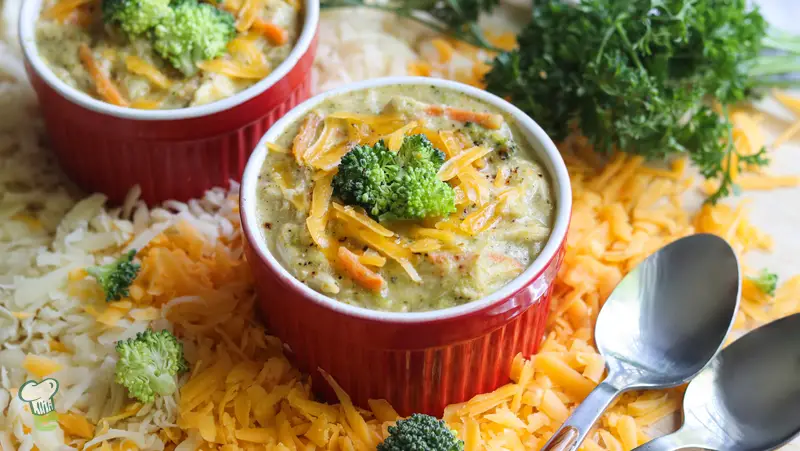
Per serving: 169 calories, 20 grams protein
Shredded chicken and skim milk turn a classic comfort soup into one with 20 grams of protein, while broccoli and carrots add volume, so a generous bowl still comes in under 170 calories.

Per serving: 236 calories, 26 grams protein
Chicken breast doesn't have to be boring, and this recipe shows it. A bright, garlicky sauce of fresh parsley, cilantro, and red wine vinegar does all the flavor work, and each 4-ounce breast is exactly that palm-sized portion with 26 grams of protein.

Per serving: 181 calories, 23 grams protein, 3 grams fiber
Cod, shrimp, mussels, and clams simmer together in a tomato and white wine broth with white beans. It's a hearty, impressive dinner that pulls lean white fish, shellfish, and beans from the food list into one pot.

Per serving: 257 calories, 24 grams protein, 3 grams fiber
Shrimp is one of the leanest proteins around, and this no-fuss dish lets it shine with citrus juice, sweet mango, juicy tomatoes, and crunchy bell peppers. Serve it as a light dinner or a make-ahead lunch on a warm day.
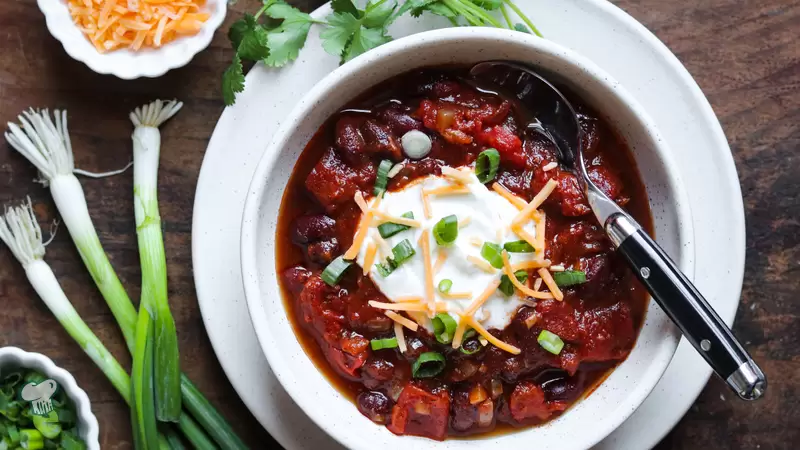
Per serving: 264 calories, 15 grams protein, 15 grams fiber
This meatless chili shows how well beans pull double duty, with protein and fiber working together to keep you full for hours. Top it with a spoonful of Greek yogurt in place of sour cream, then make a double batch so tomorrow's lunch is ready to go.

Per serving: 286 calories, 18 grams protein
Greek yogurt and lemon juice replace the usual mayonnaise, and canned chicken keeps it quick. Sweet grapes, crunchy celery, and toasted almonds make every bite interesting, whether you tuck it into a whole wheat wrap or spoon it over lettuce.

Per serving: 218 calories, 14 grams protein
Protein pasta, Greek yogurt, and a blend of reduced-fat cheddar and Swiss make a creamy mac and cheese with 14 grams of protein in every serving. It's an easy swap that proves comfort food can fit into your plan.

Per serving: 146 calories, 5 grams protein, 5 grams fiber
When you want something crunchy and salty, reach for these instead of chips. Cumin and a little cayenne give them plenty of flavor, and the protein and fiber make them far more filling than anything from a bag. Pair a handful with a cheese stick to get to that 10-gram snack.
Some of the best choices are chicken or turkey breast, white fish like cod and tilapia, shrimp, canned tuna, egg whites, plain Greek yogurt, low-fat cottage cheese, tofu, tempeh, edamame, and beans. They give you a lot of protein for the calories, and the plant options add fiber, too. For more ideas, see our High Protein Diet Guidelines, Tips and Recipes.
High satiety foods tend to be high in protein, fiber, or water. Foods that combine protein and fiber, like beans, lentils, chickpeas, and edamame, are especially filling. Pairing a lean protein with vegetables or other high fiber foods works the same way, which is why a bowl of chicken and vegetable soup keeps you satisfied longer than a snack with the same calories.
They can be a big help. Protein keeps you full longer and helps protect muscle while you lose fat, and low calorie foods let you eat satisfying portions. Talk with your care team or a registered dietitian about the right protein and calorie goals for you, especially if you have a chronic health condition.
A palm-sized portion is a good starting point, which is about 3 to 4 ounces of chicken or fish, 1 cup of Greek yogurt, or 2 to 3 eggs. On a nutrition label, that's roughly 30 grams for a meal and about 10 grams for a snack.
Greek yogurt with fruit, a hard-boiled egg, light string cheese, a tuna pouch, or a handful of roasted chickpeas are all easy options. For more ideas, try these 10 Easy High Protein Snacks.
Try one of the recipes I mentioned to get started, or find even more ideas in our High Protein Diet Guidelines, Tips and Recipes.
_____________________________
Hilda Ronn, MS, RD, RDN, is a registered dietitian with Nourish, where she provides one-on-one telehealth nutrition counseling for adults. She specializes in GLP-1 medication support, weight management, type 2 diabetes and prediabetes, heart disease, menopause, and plant-based nutrition. Hilda holds a master's degree in human nutrition from Drexel University and completed her dietetic internship at the University of Maryland Medical Center. For more from Hilda, read The Best Carbs to Eat on a GLP-1 Diet (with Recipes!).
Connect with Hilda Ronn, MS, RD, RDN, on LinkedIn.
(Instant Download)
Sign Up for instant access to your free cookbook plus our most popular quick and healthy recipes!