FREEHealthy 30-Minute Meals
(Instant Download)
Sign Up for instant access to your free cookbook plus our most popular quick and healthy recipes!
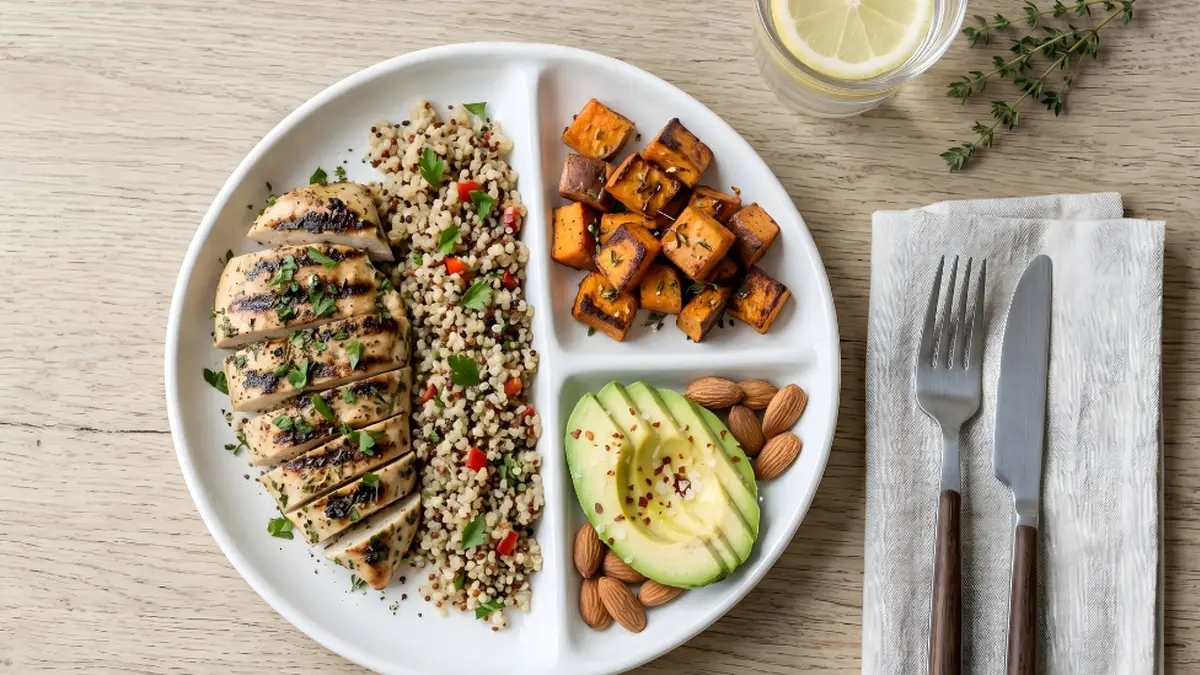
If you’re cooking for yourself or a family member who’s taking Ozempic, Wegovy or Mounjaro for weight loss, these small meal ideas for GLP-1 patients will make food planning easier! With a smaller appetite, it’s important to eat more frequently to make sure you’re getting enough protein and nutrients to retain muscle and help you feel energized. And it’s just as important to make healthy eating a pleasure so you don’t skip meals.
Eating small meals four to five times per day can help your body process the nutrition you need without feeling bloated. But how can you plan 4-5 small meals a day when you don’t want to spend all your time cooking? It can be tempting to rely on packaged snacks and protein bars, but these can add excess salt and too much sugar and fats you don’t need.
Planning simple small meal recipes that are quick to make in individual portions, or recipes that are suited to meal prepping in advance and freezing, will make your GLP-1 life easier! Health eCooks recipes are created by registered dietitians who create mini meals and snacks with nutritious ingredients such as lean protein, fiber and healthy fats so they fit easily into a GLP-1 weight loss plan. Many of these recipes from our Health eCooks test kitchen are easy to break up into small portion meals to eat now or to freeze for later.
Recipes that make just 1-2 servings can help you feel less overwhelmed by food amounts.
Overnight oats are a great way to get your day off to a sweet and easy start! Simply mix the ingredients together the night before and put them in the fridge. Busy mornings just got a little easier!
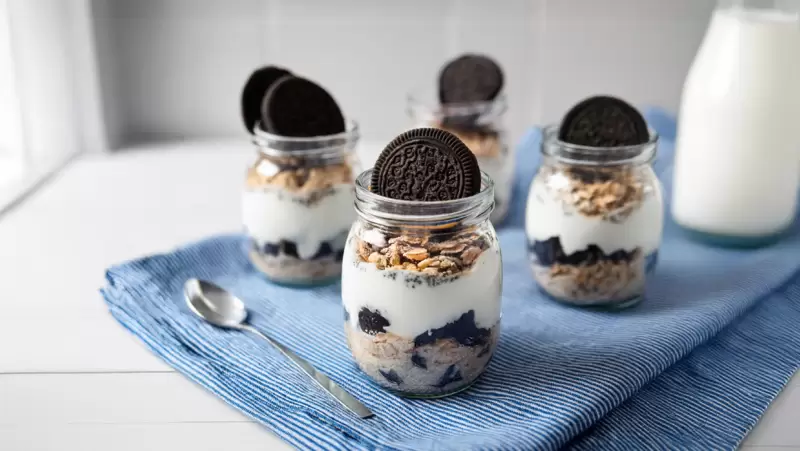
Our Cookies & Cream Overnight Oats are a great recipe to start with, packed with healthy fiber and protein from Greek yogurt. (2 servings)
Chicken is high in protein and easy to prepare in small amounts if you choose cuts like drumsticks or cutlets. It can be frozen raw or cooked so you'll have it on hand when you need it. Fish and turkey cutlets are other great choices.
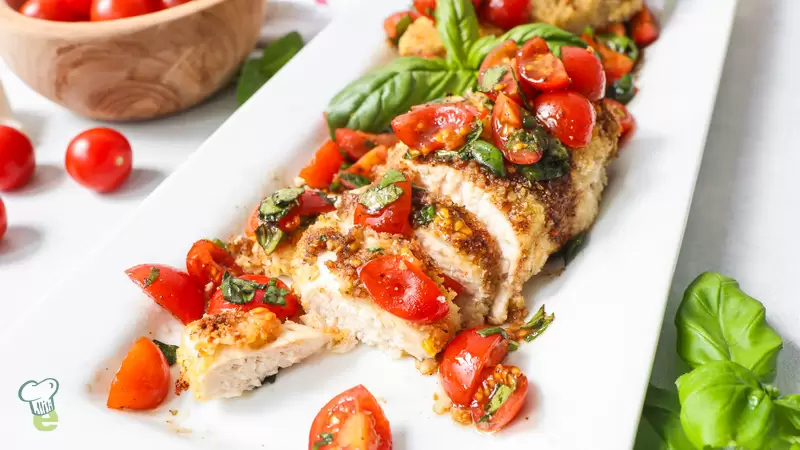
This luscious Mediterranean-flavored dish is bright with the flavors of tomato, garlic and herbs, and packs 27g protein. (2 servings)
Spoon up a little Greek yogurt for one of the easiest ways to get some protein! Liven it up with fresh fruit or even a few dark chocolate chips when you want a sweet treat. Try adding some of our easy Ranch seasoning for a savory dip.
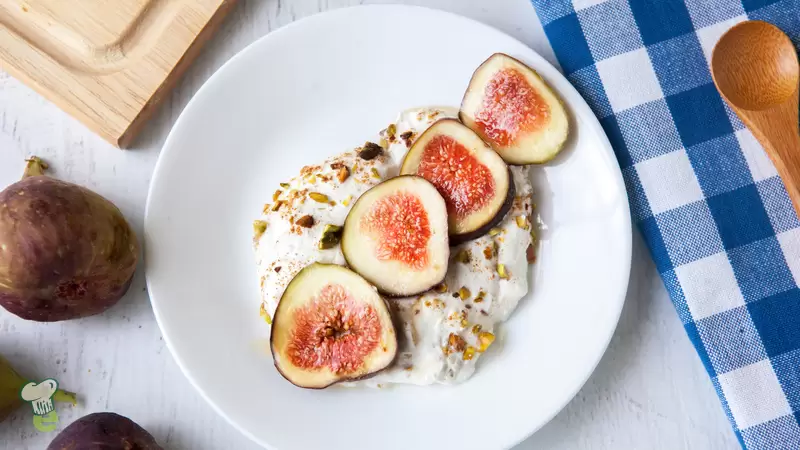
This creamy, nutty treat is a delicious way to dress up plain yogurt. (2 servings)
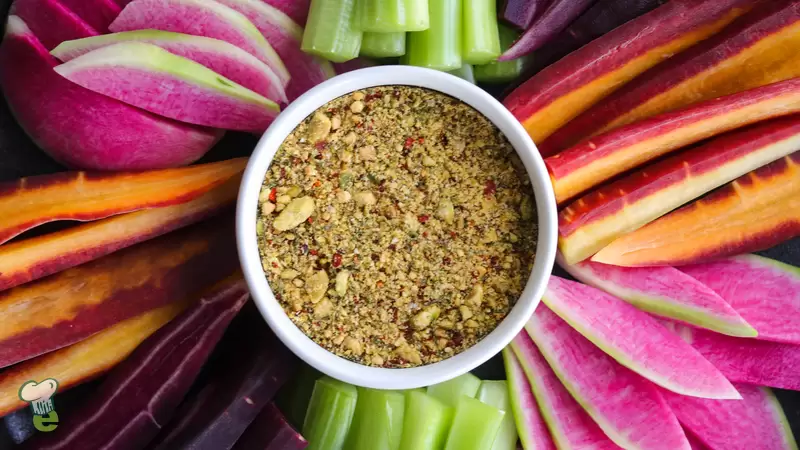
Keep this easy seasoning on hand to add to plain yogurt for a great dip or sandwich spread!
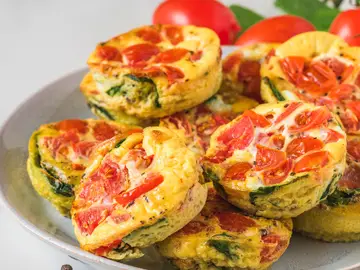
Eggs are a compact source of protein. Try our easy scrambled egg recipe, or boil a few to keep in the fridge and you’ll have a healthy, individually packaged snack ready for any time of day! Experiment with different herbs and seasonings to add variety.
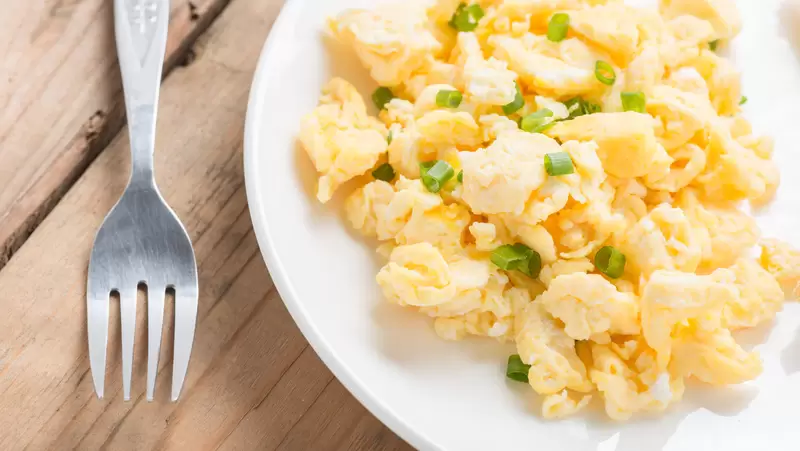
Scrambled egg whites are soft and soothing on the stomach, and a low-fat way to start the day (1 serving).
Avoid the excess sugars and additives in commercial smoothies and make your own healthy beverages with our easy recipes.
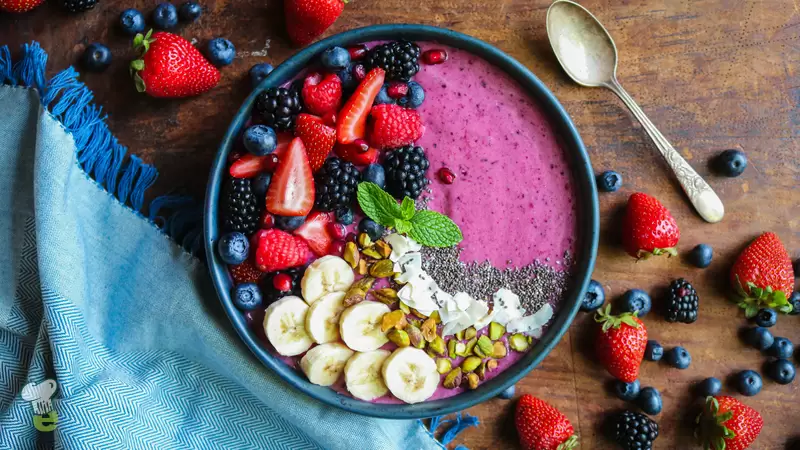
Try our Berry Smoothie Bowl (2 servings) for a delicious fruity meal that has 51% less added sugar and 64% less sodium than the commercial version, plus more protein and fewer calories!
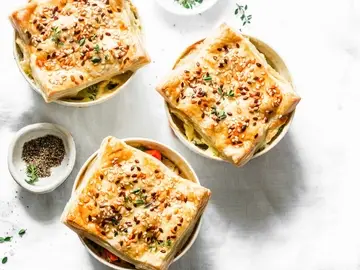
Even if you’re food prepping and plan to freeze portions for later, you may find you still end up with more leftovers than you want. Cutting a recipe in half is an easy way to reduce food waste or boredom with repeated meals. You may also find it helpful to get some smaller baking dishes, or even muffin pans, to make small-version casseroles. Since smaller casseroles can cook more quickly, keep an eye on your cooking times.
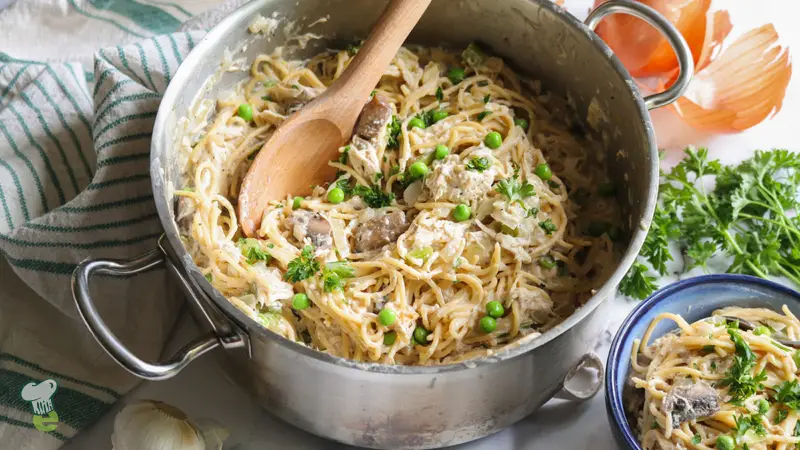
This rich, creamy Turkey Tetrazzini is an easy recipe to divide and is a comforting classic with 22g protein and 4g fiber per serving.
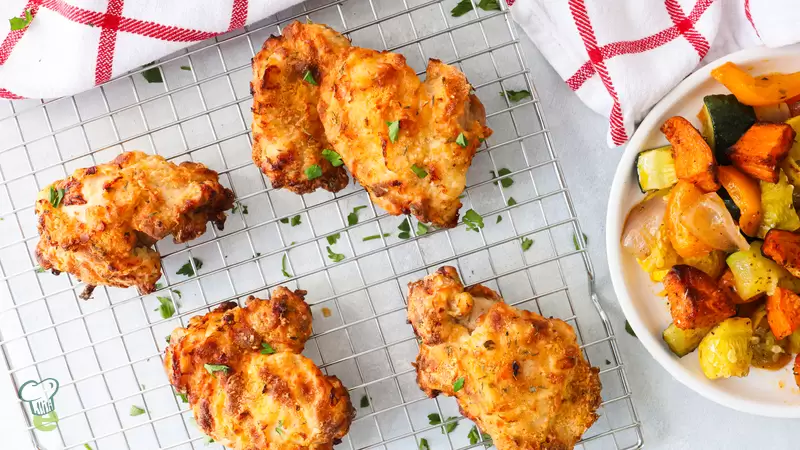
This recipe serves four and is easy to halve, or make the full recipe and freeze the leftover chicken. Each serving has a whopping 35g protein with 6g fiber and just 2g saturated fat.
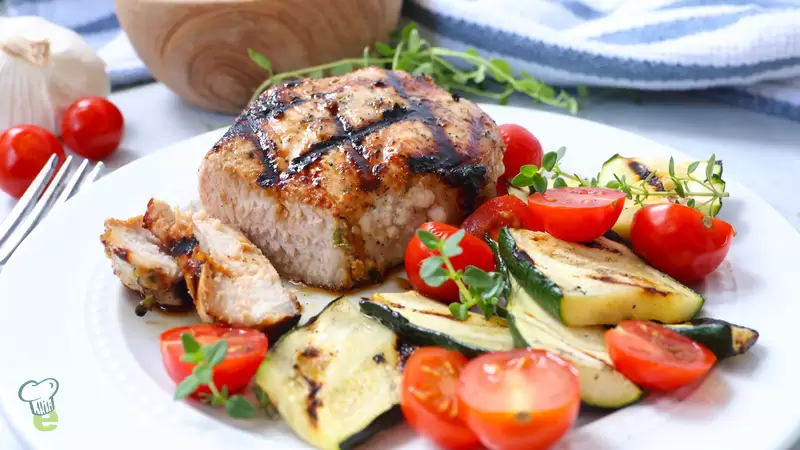
Marinated in a delicious sweet-sour citrus sauce, these chops are easy to cook and a delight to eat. The recipe serves four and is easy to divide.
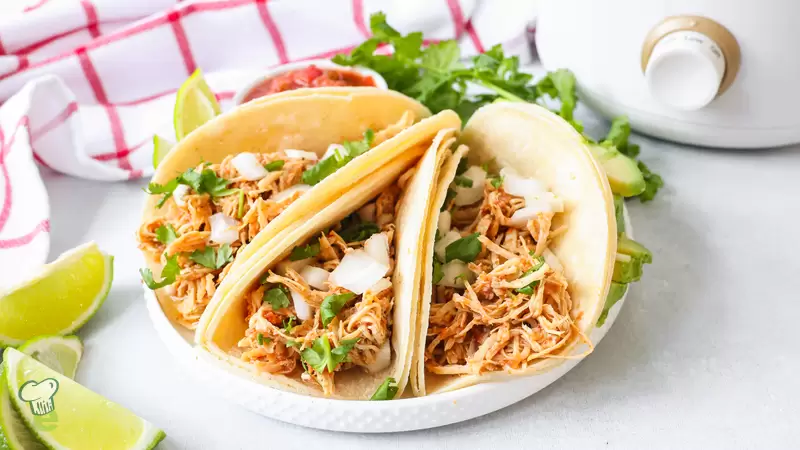
Another recipe that halves easily and freezes well. Our special taco seasoning is low sodium and delicious! Toss the defrosted chicken into a wrap or over some vegetables for an easy lunch or dinner.
When you don’t want to cook much, having healthy ingredients on hand makes everything easier. Having frozen precooked meals handy is a big help; quick-cooking or no-cook ingredients are another winner.
Helpful ingredients to have on hand:
Simple additions like homemade seasonings, hummus, and easy yogurt-based sauces are a great way to boost flavor and keep simple meals varied: check out these recipes for inspo!
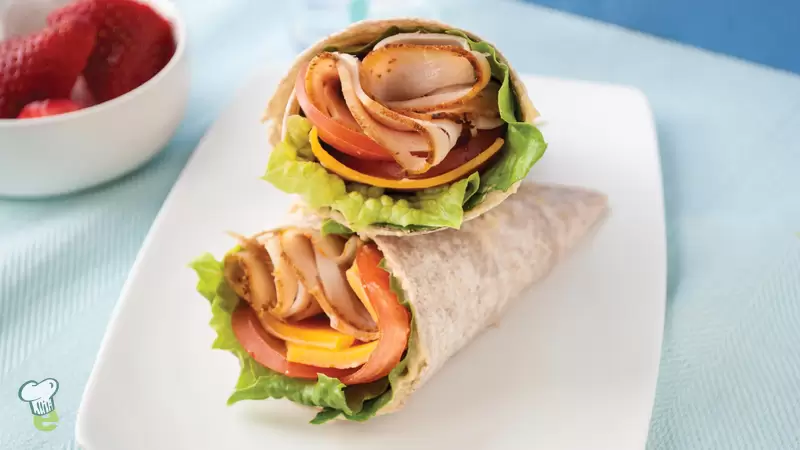
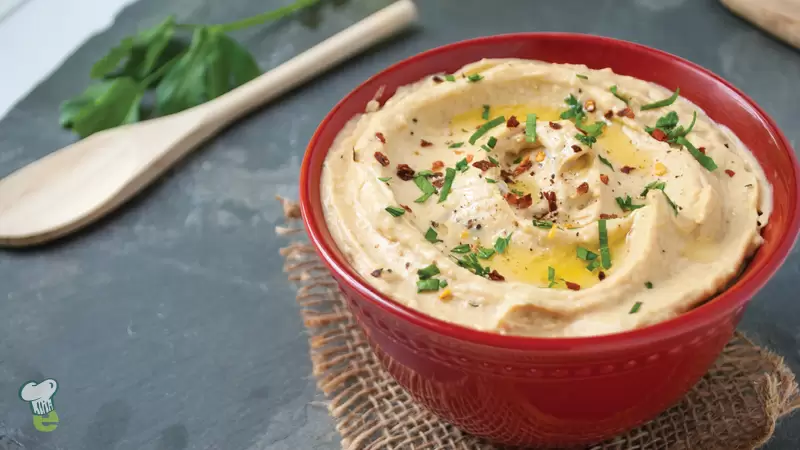
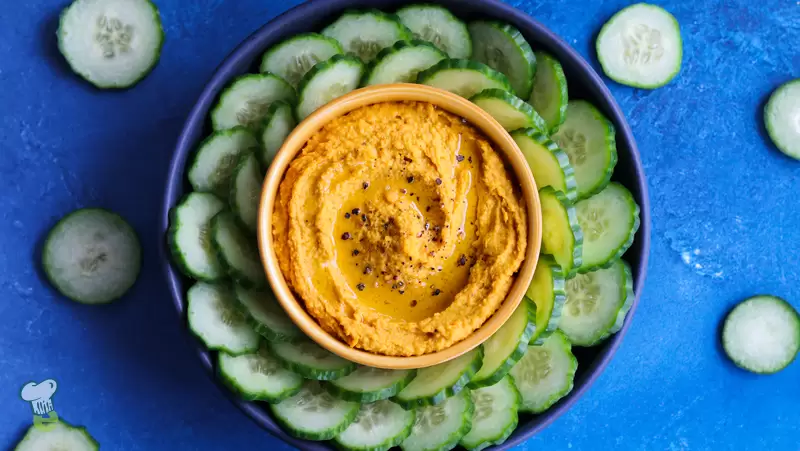
Sliced turkey and veggies make an easy, tasty wrap, with a protein and flavor boost from creamy hummus. Try one of our homemade hummus recipes for custom flavor!
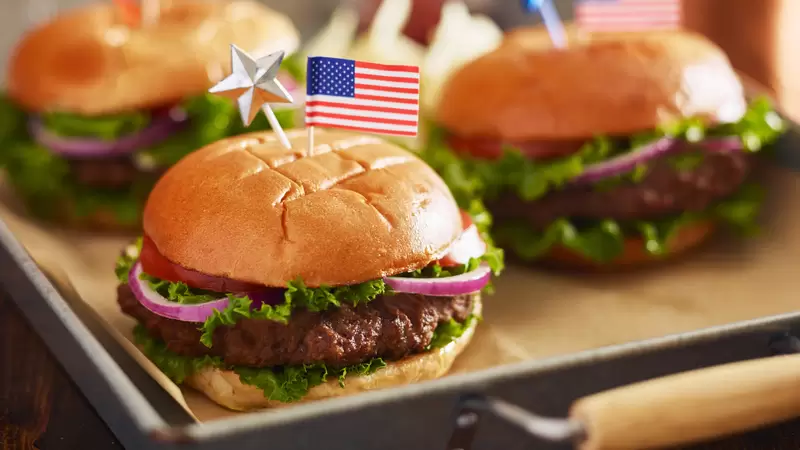
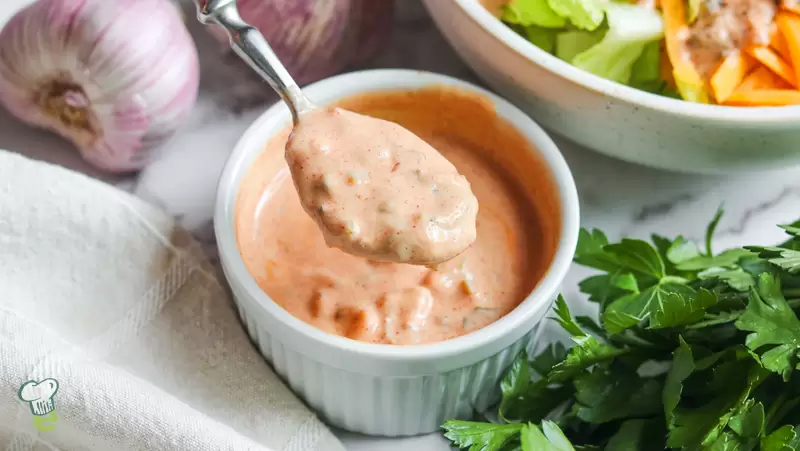
Homemade burgers are easier to make than you might think, and they freeze well. Try our classic ground beef Healthy Burger, or branch out to salmon, turkey or beans! Serve the burger in a salad or wrap for a nutritious meal, and try one of our homemade sauce recipes for a flavor boost!
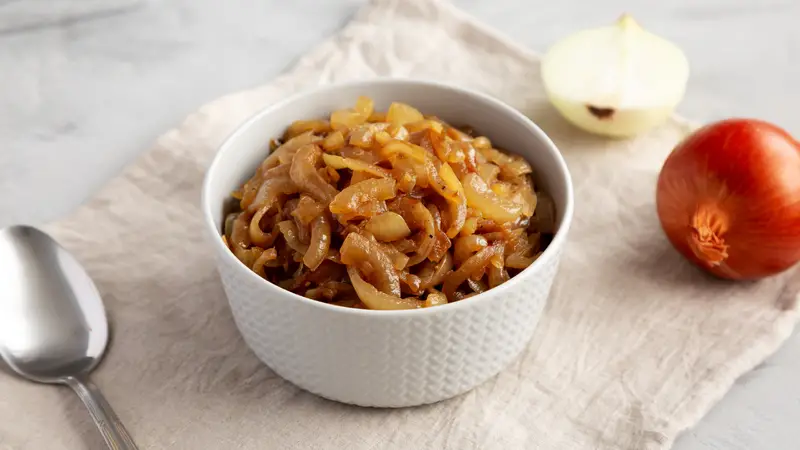
Freeze them in ice cube trays so you’ll have a portion ready to toss in your wrap or bowl.
You don't need to reinvent the wheel to make your favorite dishes work for you. Use these clever kitchen strategies to shrink the portions while keeping all the flavor:
Learning to make and store small GLP-1 meals can save you time and money. Use these simple strategies to master your routine:
While eating smaller portions is helpful, there are a few common traps to avoid on a GLP-1 diet:
What ingredients make small meals healthier for GLP-1 patients?
The best ingredients are lean proteins (like turkey, tofu, and chicken), complex carbohydrates (like quinoa and oats), and colorful vegetables. These give your body steady energy and vital nutrients without overloading your stomach.
How many times a day should I eat on a GLP1 medication?
Many patients find that eating 4 to 5 very small, balanced meals or snacks throughout the day is much easier to tolerate than 3 large meals. This approach keeps your energy steady and prevents nausea.
Can I still eat my favorite comfort foods on a low-appetite diet?
Yes, but the key is modification and portion control. You can enjoy your favorite flavors by upgrading the ingredients—like using whole-wheat or high protein pasta, or baking instead of frying—and eating a much smaller amount.
What are the best foods to choose when I only have the appetite for a few bites?
Prioritize high-yield, gentle proteins and fats. Greek yogurt, cottage cheese, eggs, canned tuna, or a spoonful of nut butter on a banana slice give your body maximum nutrition when your appetite is at its absolute lowest.
Is it okay to skip meals if the GLP-1 medication makes me feel completely full?
Skipping meals entirely can lead to extreme fatigue, muscle loss, and nutrient deficiencies. Even if you don't feel hungry, try to eat a few bites of a high-protein snack at consistent times throughout the day to keep your metabolism fueled.
(Instant Download)
Sign Up for instant access to your free cookbook plus our most popular quick and healthy recipes!