


FREEHealthy 30-Minute Meals
(Instant Download)
Sign Up for instant access to your free cookbook plus our most popular quick and healthy recipes!
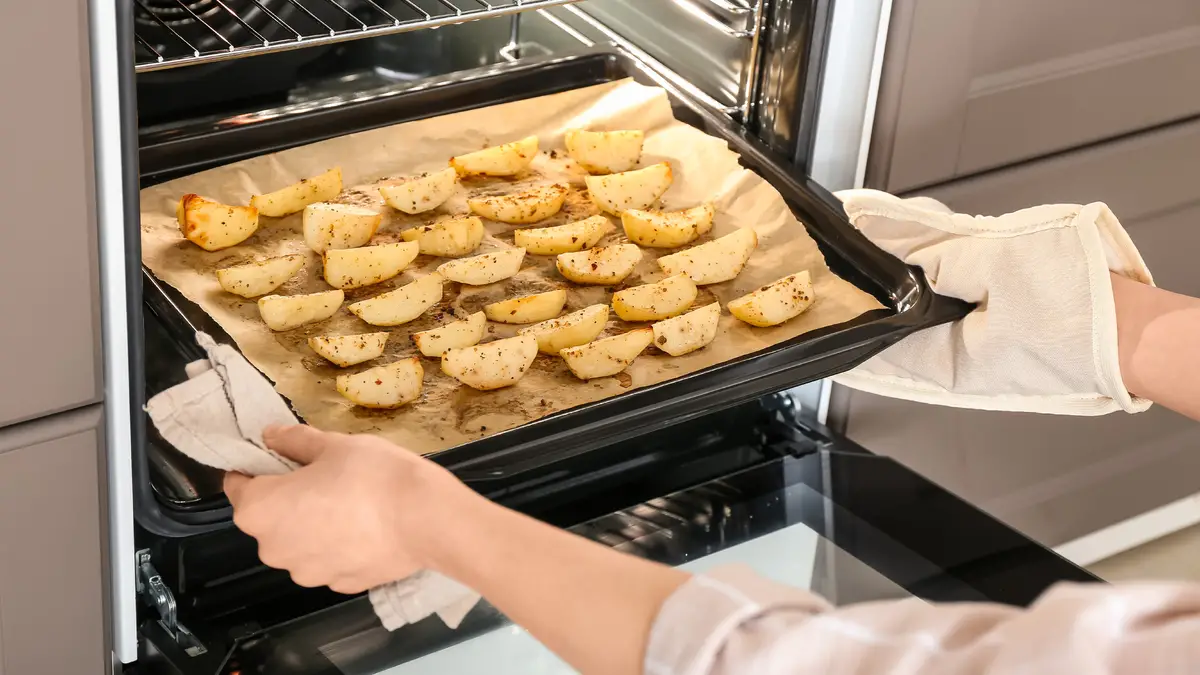
Whether you want to bake whole potatoes, roast crispy potato wedges, or make sweet potato slices in the oven, this guide can help you find the right time, temperature, and technique.
The oven is one of the best ways to cook potatoes because it can do so much more than bake a whole potato. Whether you're roasting crispy baby potatoes, making homemade French fries, cooking sweet potato slices, or baking a fluffy russet potato, the oven delivers delicious flavor and texture with very little hands-on work.
Unlike some quicker cooking methods, the oven uses dry heat to caramelize the outside while creating a soft, tender center. It's also easy to cook enough potatoes for a family dinner or meal prep several servings at once.
"If you're looking for great flavor and texture, it's hard to beat the oven," says Nora Minno, RD, a Health eCooks' registered dietitian. "A little olive oil, herbs, and spices are often all you need to turn potatoes into a healthy, satisfying side dish."
Looking for more information about cooking potatoes? Visit our comprehensive How to Cook Potatoes guide. You can also learn more specifics about how to cook potatoes in the microwave, toaster oven, and pressure cooker in our dedicated cooking guides. If you're following a special eating plan, be sure to also explore our guides on cooking potatoes for diabetes, high blood pressure, and GLP-1 diets.
The oven is one of the most versatile appliances for cooking potatoes because it works well with nearly every variety and cut. Oven cooking allows moisture inside the potato to steam while the outside browns, creating textures that are difficult to achieve with boiling or microwaving.
It's especially good for:
Because the oven requires very little attention once the potatoes are cooking, it's an excellent option for easy weeknight dinners, holiday meals, and batch cooking.
No matter what type of potato you're making, a few simple preparation steps will help them cook evenly:
"People often think adding more oil will make potatoes crispier, but that's usually not the case," explains Nora Minno, RD. "Using just enough oil to lightly coat the potatoes allows the natural sugars to caramelize while keeping the dish lighter."
Should you soak potatoes before baking?
For most oven-baked potatoes, soaking isn't necessary. However, if you're making French fries or roasted potatoes, soaking cut potatoes in cold water for 30 minutes can remove some surface starch. After soaking, dry them thoroughly before seasoning to encourage better browning.
Whole baked potatoes are one of the easiest and most popular ways to cook potatoes in the oven.
Best potatoes to use: Russet potatoes are the classic choice because their high starch content creates a fluffy interior and crisp skin. Yukon Gold potatoes produce a creamier texture and slightly richer flavor.
Instructions:
How long to bake potatoes:
Small: 425°F for 35–45 minutes
Medium: 425°F for 45–60 minutes
Large: 425°F for 60–75 minutes
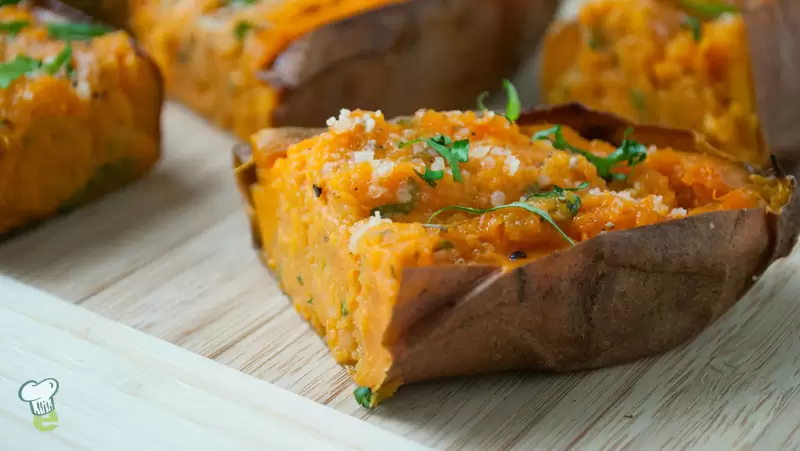
The oven naturally enhances the sweetness of sweet potatoes while creating a soft, creamy interior. Instructions for baking are similar to white potatoes except the temperature and time may vary slightly.
Most medium sweet potatoes take 45 to 60 minutes, while larger potatoes may take 60 to 75 minutes.
Minno recommends leaving the skin on whenever possible. "Sweet potato skins provide fiber and additional nutrients," she says. "If the skin is tender after baking, it's perfectly fine to eat."
If you've ever wondered how long to cook sweet potato slices in the oven, the answer depends on how thick you cut them.
For slices about ¼ inch thick:
Thicker slices may need an additional 5 to 10 minutes.
A light coating of olive oil helps the edges caramelize while keeping the centers tender. Season with cinnamon, smoked paprika, garlic powder, rosemary, or your favorite herb blend for extra flavor or try these delicious Sweet Potato Cheddar Bites for a unique appetizer or side dish.
If you're looking for more healthy ways to enjoy sweet potatoes, try these Sweet Potato French Fries, Twice-Baked Sweet Potatoes, or other healthy sweet potato recipes.
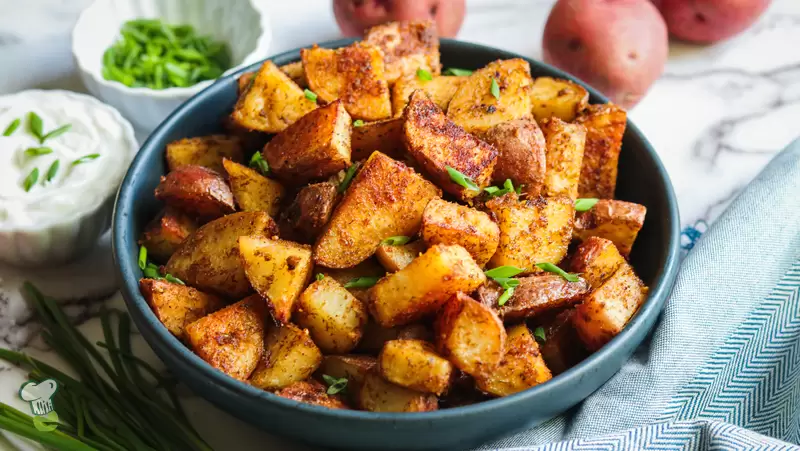
Roasted potatoes have crispy, golden edges and tender centers, making them one of the most versatile side dishes for everything from weeknight dinners to holiday meals.
Different potatoes produce slightly different results, so these are the best potatoes for roasting, depending on your desired result:
How to roast potatoes:
For extra browning, let the potatoes roast undisturbed for the first 20 minutes before turning them.
"One of the biggest mistakes people make is crowding the pan," says Nora Minno, RD. "Leaving a little space between the potatoes allows hot air to circulate so they roast instead of steam."
For an easy side dish, try our Bang Bang Potatoes.
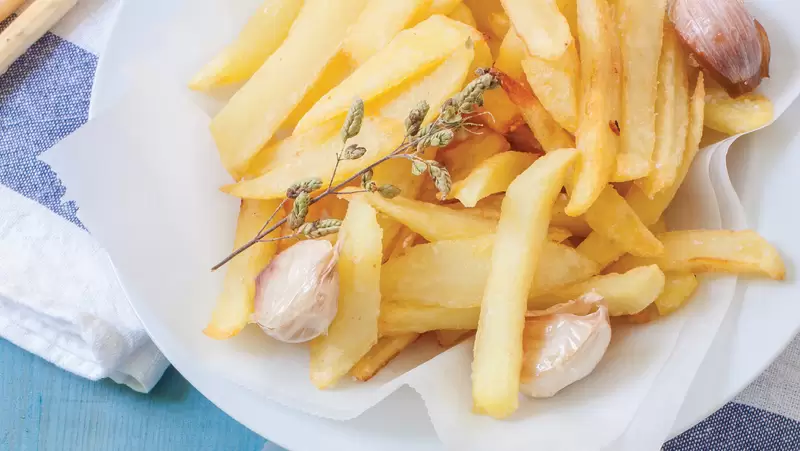
Homemade oven-baked fries are a healthier alternative to deep frying while still delivering crispy edges and plenty of flavor.
Best potatoes for French fries: Russet potatoes are the traditional choice because they're high in starch, which helps create a fluffy interior and crisp exterior. Sweet potatoes also work well if you prefer a naturally sweeter fry.
How to make oven-baked fries:
The fries are done when they're browned on the outside and tender inside. If your oven has a convection setting, using it during the last few minutes helps create crispier fries.
Looking for healthier fry recipes? Try these Garlic Fries or Sweet Potato French Fries. They’re crispy on the outside, tender on the inside, and made with simple seasonings.
The oven is incredibly versatile, making it easy to prepare potatoes in several other ways. Here are a few to try:
Use this quick reference guide when cooking potatoes in the oven. Cooking times may vary slightly depending on the size of the potatoes, your oven, and whether you're using the convection setting.
Whole russet potatoes: 425°F for 45–60 minutes
Whole Yukon Gold potatoes: 425°F for 45–55 minutes
Whole sweet potatoes: 400°F for 45–60 minutes
Baby potatoes (whole): 425°F for 25–35 minutes
Cubed potatoes: 425°F for 30–40 minutes
Roasted potato wedges: 425°F for 35–45 minutes
Oven-baked French fries: 425°F for 30–40 minutes
Sweet potato fries: 425°F for 25–35 minutes
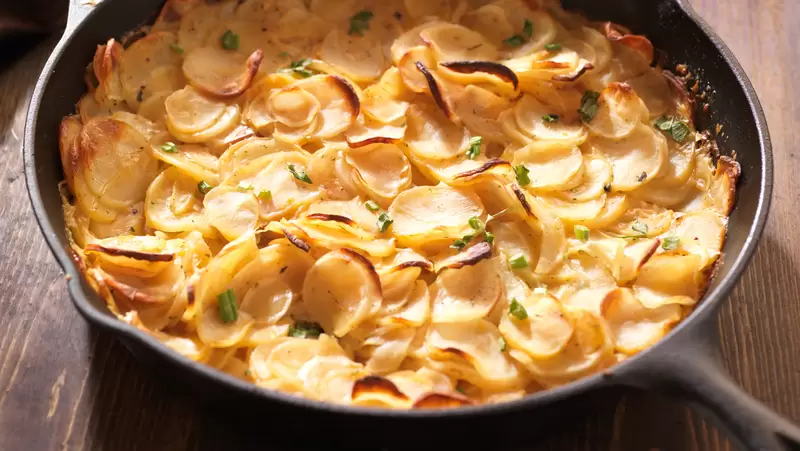
Potato slices: 400–425°F for 25–35 minutes
Sweet potato slices: 425°F for 20–25 minutes
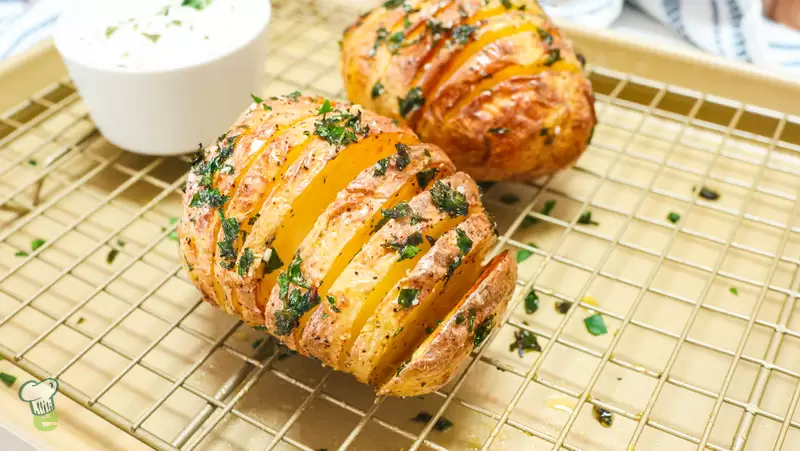
Hasselback potatoes: 425°F for 50–60 minutes
Twice-baked potatoes (second bake): 375°F for 15–20 minutes
Even simple recipes can fall short if you make these oven cooking mistakes:
Have more questions about cooking potatoes in the oven? We’ve got answers!
For most recipes, 425°F offers the best balance of crispy exteriors and tender interiors. Some recipes, like whole sweet potatoes or casseroles, may call for 400°F or 375°F.
Wrapping potatoes in foil traps steam, resulting in softer skins. If you prefer a crispy skin on baked potatoes, cook them unwrapped.
Yes, it's a good idea to pierce whole potatoes several times with a fork before baking. This allows steam to escape as they cook.
Either works well. Baking directly on the rack allows air to circulate around the potato for crispier skin, while a baking sheet catches any drips and makes cleanup easier.
Whole potatoes should be easily pierced with a fork or knife. For baked russet potatoes, an internal temperature of 205°F to 210°F produces a light, fluffy texture. Roasted potatoes should be golden brown on the outside and tender when pierced with a fork.
Yes, as long as they're cut into similar sizes and have similar cooking times. Keep in mind that sweet potatoes often cook a little faster than white potatoes.
Yes. For the best texture, reheat them in a 375°F oven for about 10 to 15 minutes. While the microwave works, it tends to soften the crispy exterior.
It depends on the recipe and your preference. Many recipes leave the skin on because it adds texture, fiber, and nutrients. Thin-skinned potatoes, such as red potatoes and Yukon Golds, are especially good with the skin left intact.
Whether you're baking a classic russet potato, roasting baby potatoes, making crispy oven fries, or cooking sweet potato slices, the oven is one of the easiest and most versatile ways to prepare potatoes. With the right temperature, a little oil, and plenty of space on the pan, you can create delicious potatoes with crispy edges and tender centers every time.
Once you've mastered oven cooking, explore our other guides to learn How to Cook Potatoes using different methods, including the microwave, toaster oven, pressure cooker, air fryer, and stovetop. If you're cooking potatoes with a specific health goal in mind, don't miss our articles on cooking potatoes for diabetes, high blood pressure, and GLP-1 diets.
No matter which method you choose, potatoes can be part of a healthy, balanced diet. Pair them with lean protein, colorful vegetables, healthy fats, and flavorful herbs and spices for satisfying meals the whole family will enjoy.
(Instant Download)
Sign Up for instant access to your free cookbook plus our most popular quick and healthy recipes!