


FREEHealthy 30-Minute Meals
(Instant Download)
Sign Up for instant access to your free cookbook plus our most popular quick and healthy recipes!
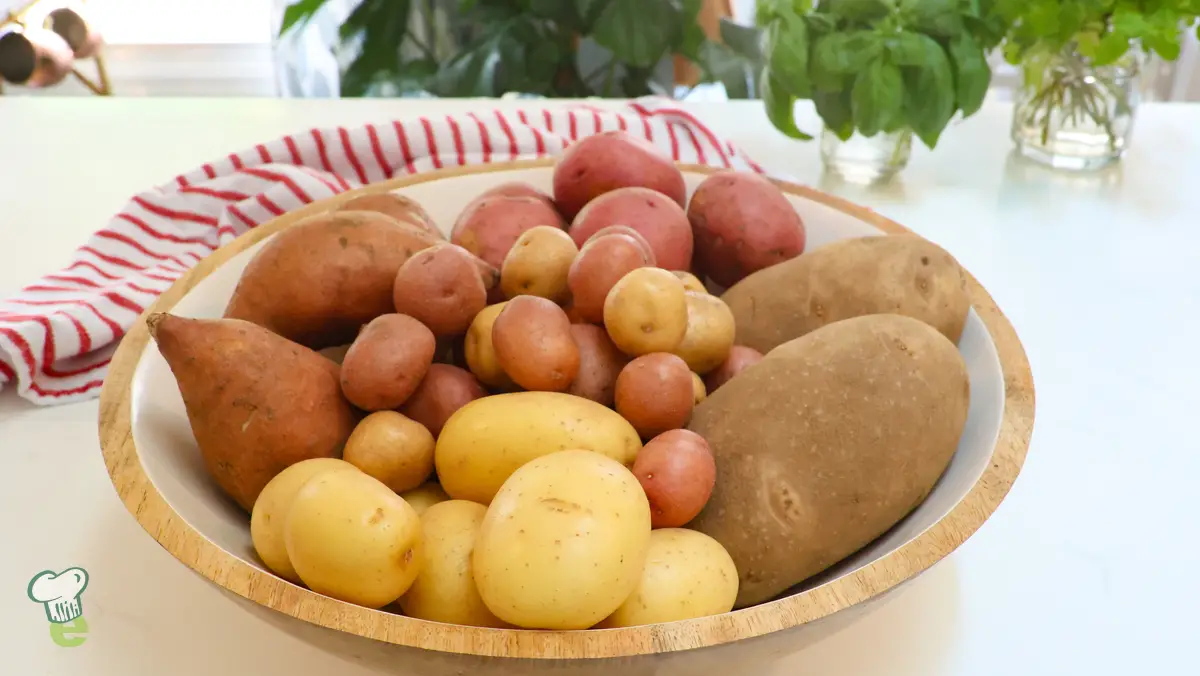
From choosing the right potato to selecting the best cooking method, this comprehensive guide has everything you need to cook delicious, healthy potatoes with confidence.
Everyone loves potatoes. They're affordable, filling, easy to prepare, and incredibly versatile. And – this might surprise you – potatoes are healthy. It all comes down to how you cook them.
This article includes information and guides to help you choose the right potatoes for your recipe and the best cooking techniques to achieve the flavor and texture you want. You’ll also get our popular Potato Cooking Time Chart that outlines how long to cook potatoes, no matter what type you’re cooking and what cooking method you’re using.
Potatoes are often given a bad rap, despite their popularity, because they're commonly served as French fries, potato chips, or loaded with butter, sour cream, and cheese. But Nora Minno, RD, one of Health eCooks’ registered dietitians, explains that potatoes are naturally rich in nutrients and can easily be part of a balanced diet, as long as you know how to cook, season, and top them without adding excess fat, sodium, and calories.
"Potatoes are one of the most versatile vegetables you can eat," says Minno. "They're naturally packed with important nutrients like potassium, fiber, and vitamin C. The deciding factor in how healthy they are comes down to how they're prepared and what you serve with them."
Whether you're learning how to cook potatoes for the first time or looking for better ways to prepare your favorite varieties, this guide covers everything you need to know to create delicious and healthy potato dishes. You'll learn which potatoes work best for different recipes, how to prepare them, which cooking methods deliver optimal results, and how to fit potatoes into a heart healthy eating plan.
You also won’t want to miss our collection of healthy potato recipes and sweet potato recipes, created by our team of chefs and registered dietitians so you can enjoy your favorite potato dishes with a healthier twist.
If you want more details about each cooking method, be sure to check out our comprehensive guides on how to cook potatoes in the oven, microwave, toaster oven, and pressure cooker. And if you’re following a specific diet, you’ll also find loads of information about fitting potatoes into your meal rotation, even if you have diabetes or high blood pressure or are taking GLP-1 medications.
Walk through the produce section of any grocery store and you'll find several kinds of potatoes. While they may look similar, each variety behaves differently when cooked. Some become light and fluffy while others stay firm and creamy.
Here’s a quick overview of which potatoes are best for different uses:
Russet Potatoes
Russet potatoes are what most people picture when they think of a potato. Their rough brown skin and white interior make them one of the most popular varieties in America. Because they're high in starch and relatively low in moisture, they become wonderfully fluffy when cooked.
They're ideal for:
Russets tend to fall apart after cooking, so they're usually not the best choice for potato salads or soups where you want the potatoes to hold their shape.
Yukon Gold Potatoes
Yukon Gold potatoes are known for their rich, buttery flavor and creamy texture. They contain a moderate amount of starch, making them one of the most versatile potatoes you can buy.
They're excellent for:
Many home cooks consider Yukon Golds the best all-around potato because they perform well with almost every cooking method.
Red Potatoes
Red potatoes have thin red skin and firm flesh that stays together during cooking. Because they're lower in starch, they're perfect when you want potato pieces to remain intact.
They're especially good for:
Since their skin is thin and tender, many recipes leave it on, saving prep time while adding fiber.
White Potatoes
White potatoes are another versatile option that works well in many everyday recipes. They're slightly creamier than russets but firmer than Yukon Golds, making them useful for:
If your grocery store only carries white potatoes, they're a dependable choice for most recipes.
Fingerling Potatoes
Fingerling potatoes are small, narrow potatoes that come in several colors, including yellow, red, and purple. Their naturally buttery texture makes them especially delicious when roasted, and because they're already small, they don’t usually require cutting before cooking.
Baby Potatoes
Baby potatoes are simply potatoes harvested while still young. Their thin skin and naturally creamy texture make them ideal for quick meals. Since they're already bite-sized, they cook faster than larger potatoes.
Sweet Potatoes
Sweet potatoes have orange, purple, or white flesh and offer a naturally sweet flavor that's delicious in savory and sweet recipes.
They're commonly used for:
Because sweet potatoes cook differently than white potatoes, it's helpful to follow recipes designed specifically for them.
The quality of your potato dishes starts at the grocery store. Even the best cooking method can't improve potatoes that are already past their prime.
When shopping, look for potatoes that are:
Avoid potatoes that have soft spots, wrinkled skin, large sprouts, green patches, or a musty smell. Green areas develop when potatoes are exposed to too much light. They contain higher levels of compounds that can taste bitter. Small green spots can usually be trimmed away, but very green potatoes shouldn't be eaten in large amounts and should be discarded.
Once you get home, proper storage helps potatoes stay fresh for weeks:
A little preparation helps potatoes taste their best:
Should You Peel Potatoes?
One question many home cooks ask is whether potatoes should be peeled before cooking. The answer depends on the recipe and your personal preference.
Leaving the skin on offers several advantages. The skin provides extra fiber and nutrients while adding texture and helping potatoes hold their shape. Many roasted potato recipes, sheet pan meals, and potato salads are made with the skin intact.
Peeling potatoes, on the other hand, creates a smoother texture that's often preferred for creamy mashed potatoes, soups, and casseroles.
"If you enjoy potato skins, leave them on whenever the recipe allows," suggests Nora Minno, RD. "The skin adds fiber and nutrients, and it's an easy way to get more nutritional value from your meal."
One of the reasons potatoes are so popular is that there are countless ways to cook them. Whether you're looking for crispy roasted potatoes, fluffy baked potatoes, or tender potatoes for salads and soups, there's a cooking method to suit your needs. The "best" way to cook potatoes depends on the texture you're after, how much time you have, and the equipment in your kitchen.
Below is an overview of the most popular cooking methods. Each has its advantages and many home cooks use several of these techniques depending on what they’re making. If you'd like step-by-step instructions, cooking times, and expert tips, be sure to visit our dedicated guides for each method.
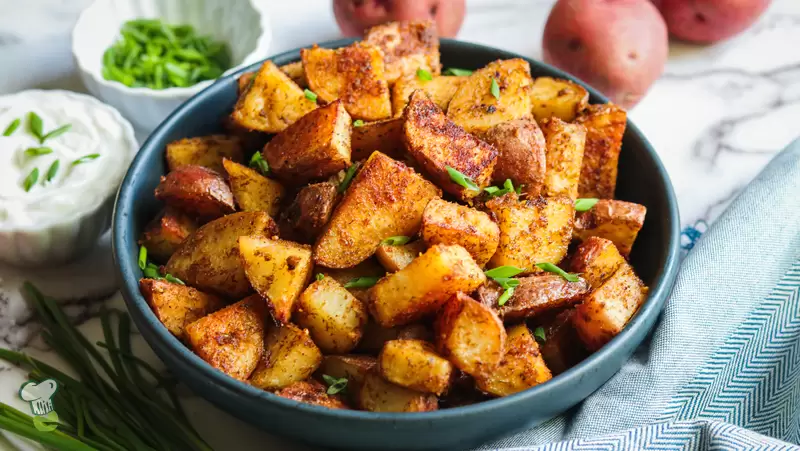
For many people, the oven is the gold standard for cooking potatoes. Baking or roasting potatoes in the oven develops rich flavor and creates crispy, golden exteriors while keeping the inside soft and fluffy.
The oven is an excellent choice when you're preparing family dinners, meal prepping for the week, or roasting vegetables alongside potatoes on the same sheet pan.
Pros
Cons
A sturdy sheet pan, wire baking rack and pair of heat-resistant oven mitts can make oven cooking safer and more convenient. If you frequently bake whole potatoes, a potato baking rack helps circulate heat around each potato for more even cooking.
Learn everything you need to know in How to Cook Potatoes in the Oven.
A toaster oven offers many of the same benefits as a conventional oven but on a smaller scale. It's ideal when you're cooking for one or two people or simply don't want to heat your entire kitchen.
Because it preheats quickly and uses less energy, a toaster oven can be a convenient option for everyday meals.
Pros
Cons
A compact toaster oven baking pan and small cooling rack are helpful accessories if you use your toaster oven regularly.
Learn more in How to Cook Potatoes in the Toaster Oven.
When time is limited, the microwave is hard to beat. It can produce tender baked potatoes in just a few minutes, making it one of the easiest ways to prepare a quick lunch, healthy side dish, or last-minute dinner.
While microwaved potatoes won't develop crispy skin like oven-baked potatoes, they retain moisture well and can be finished in another appliance if you prefer a crispier exterior.
Pros
Cons
A reusable microwave potato cooker, microwave safe glass dish or microwave splatter cover can make cooking and cleanup easier.
Learn more in How to Cook Potatoes in the Microwave.
A pressure cooker or Instant Pot is one of the quickest ways to cook whole potatoes while keeping them moist and tender.
Because pressure cooking uses steam under pressure, it's particularly useful when making mashed potatoes or preparing potatoes for soups and casseroles.
Pros
Cons
A steamer basket and silicone lifting sling make removing hot potatoes much easier.
Learn more in How to Cook Potatoes in a Pressure Cooker.
Air fryers have become one of the most popular kitchen appliances in recent years, and for good reason. They circulate hot air around food, creating crispy edges with very little oil.
Air fryers are especially good for roasted potatoes, breakfast potatoes, and potato wedges or fries.
Pros
Cons
Helpful accessories include an oil mister, silicone tongs, and air fryer parchment liners, which can make cleanup easier while helping food release from the basket.
Cooking potatoes on the stovetop remains one of the simplest and most versatile methods. Depending on your recipe, potatoes can be boiled, simmered, or steamed.
Boiled potatoes are commonly used for mashed potatoes, potato salad, soups, and casseroles, while steaming helps preserve texture without waterlogging the potatoes.
Pros
Cons
A large Dutch oven, stockpot, steamer basket, and sturdy colander are all useful tools to have on hand.
"Healthy cooking isn't about using one perfect method," says Nora Minno, RD. "It's about choosing the method that fits what you want to achieve and using ingredients that add flavor without adding too much sodium, fat, or calories."
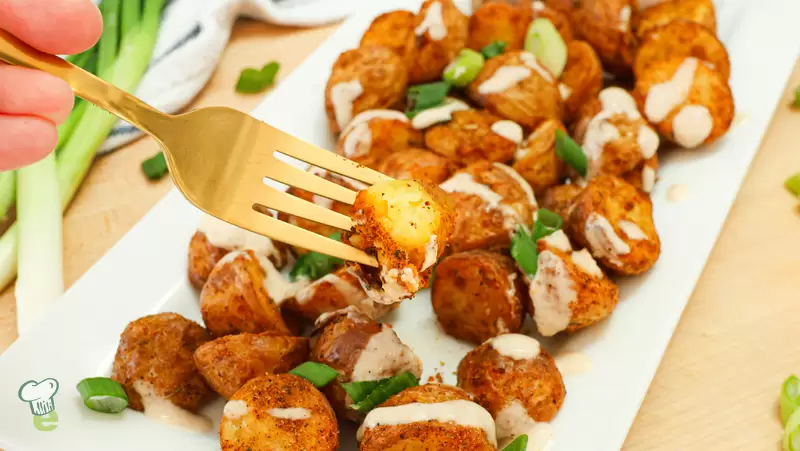
Cooking times vary depending on the size of the potatoes, the variety, and your appliance. This chart provides a general idea of how long different cooking methods typically take.
Oven:
Toaster oven:
Microwave:
Air fryer:
Pressure cooker:
Stove, boiling:
Keep in mind that these are general guidelines. Potato size, appliance model, and altitude can all affect cooking times.
Potatoes are often thought of as comfort food, but they're also surprisingly nutritious. A plain potato contains very little fat, no cholesterol, and these nutrients:
Potatoes are also naturally gluten free, making them a good option for people with celiac disease or gluten sensitivity. Another benefit is that potatoes are satisfying. Their combination of carbohydrates and fiber help you feel full, especially when paired with lean protein and vegetables.
One of the biggest myths about potatoes is that people with certain health conditions should avoid them, but potatoes can often be enjoyed on most healthy diets. Here’s a brief overview of how potatoes may fit into several health-based eating plans. For more detailed guidance, visit our dedicated articles on each topic and consult with a healthcare professional or registered dietitian.
Potatoes contain carbohydrates, which raise blood sugar, but people with diabetes don't necessarily have to eliminate potatoes from their menu. How they're prepared and what they're eaten with can make a difference.
Choosing baked, roasted, or boiled potatoes instead of fried potatoes and pairing them with lean protein, healthy fats, and non-starchy vegetables helps create a more balanced meal.
Some research also suggests that cooked potatoes that have been cooled before eating may contain more resistant starch, which may have a smaller effect on blood sugar than freshly cooked potatoes.
"Rather than avoiding potatoes completely, focus on portion size and balance," says Nora Minno, RD. "Pairing potatoes with protein and vegetables is the key to creating a satisfying, nutritious meal that doesn’t spike blood sugar."
Learn more in How to Cook Potatoes for Diabetes.
Potatoes are naturally rich in potassium, a mineral that helps support healthy blood pressure.
Baking, roasting, microwaving, and air frying are all excellent options for creating flavorful potatoes with little added fat or sodium. Instead of using salt or processed toppings, season potatoes with fresh herbs, garlic, black pepper, or smoked paprika.
Learn more in How to Cook Potatoes for High Blood Pressure.
People taking GLP-1 medications like Ozempic®, Wegovy®, Mounjaro® or Zepbound® often eat smaller meals because these medications help them feel fuller sooner. Potatoes can fit into a GLP-1-friendly eating plan when served in appropriate portions and paired with protein-rich foods.
For example, a small baked potato served with grilled chicken, fish, or beans creates a more GLP-1 friendly meal than eating a large potato by itself.
Learn more in How to Cook Potatoes for GLP-1 Diets.
People with kidney disease often need to pay close attention to their potassium intake, and potatoes are naturally high in potassium.
Depending on your stage of kidney disease and healthcare provider's recommendations, potatoes may still be enjoyed in moderation by some people on a renal diet. However, because every person's needs are different, it's important to follow the guidance of your healthcare team or registered dietitian.
Plain potatoes are generally considered a gentle, low-acid food that many people with acid reflux tolerate well. The bigger concern is often the toppings or preparation method. Spicy sauces, fried potatoes, and high-fat toppings may trigger symptoms for some people.
Choosing baked, boiled, or mashed potatoes with lighter toppings is usually the best option.
Now that you know how to choose, prepare, and cook potatoes, it's time to put that knowledge to use.
At Health eCooks, our chefs and registered dietitians work together to create healthy recipes people want to eat, and that certainly includes potatoes, one of the most popular foods searched on our site. Whether you're looking for comforting side dishes or creative new ways to enjoy potatoes, you'll find plenty of inspiration for including potatoes in your healthy eating plan.
Here are just some of the healthy potato recipes created in the Health eCooks Recipe Test Kitchen:
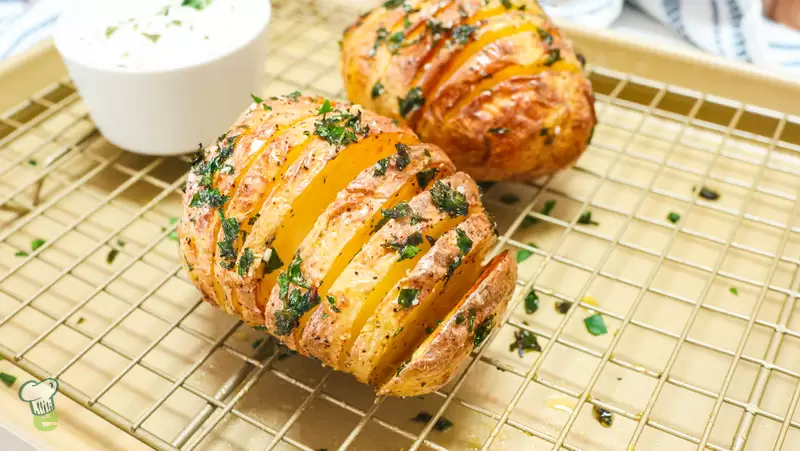
Thinly sliced Yukon Gold potatoes are oven baked until crispy on the outside and tender on the inside, then brushed with olive oil, garlic, and fresh parsley for big flavor. This healthier take on a restaurant favorite is an impressive side dish that's approved for heart healthy, diabetic, and low sodium diets.
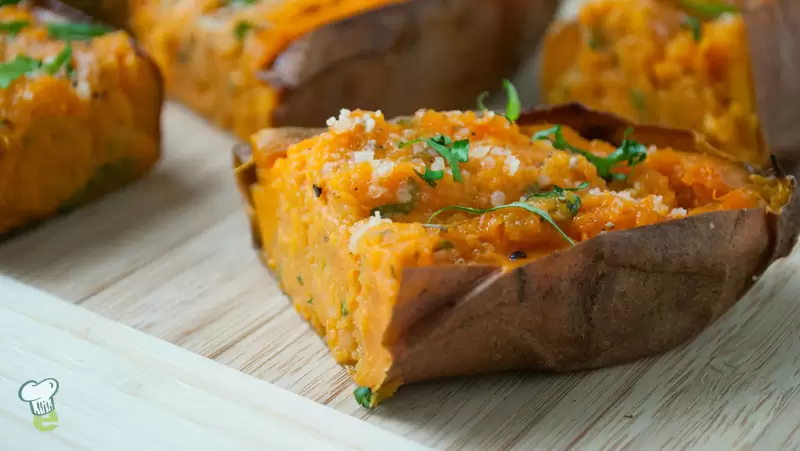
These savory oven-baked sweet potatoes are filled with a creamy mixture of Parmesan, garlic, and fresh herbs before being baked again until golden and bubbly. High in fiber and packed with vitamin A, they're a flavorful, heart healthy side dish for holidays or weeknight dinners.
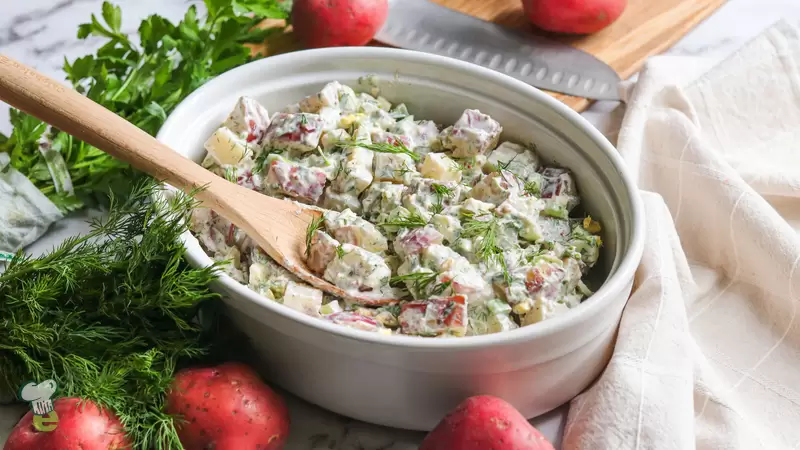
This lighter potato salad swaps traditional ingredients for a healthier combination while still delivering the creamy, classic flavor everyone loves. Made with tender boiled potatoes, it's a perfect side dish for picnics, barbecues, and family gatherings.
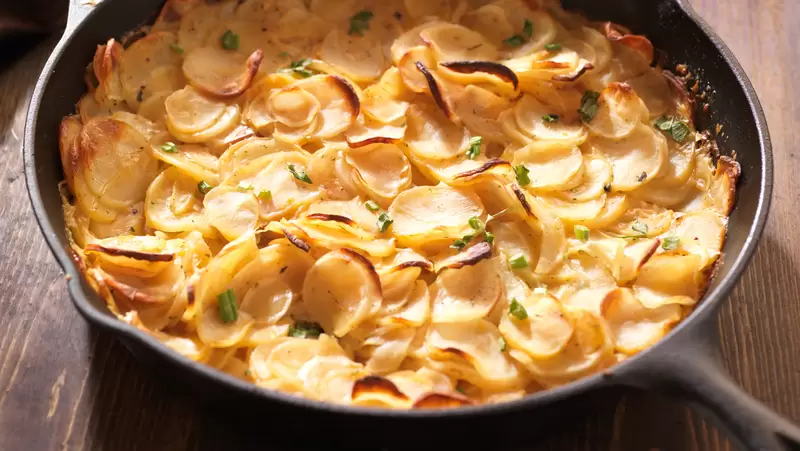
Enjoy all the comfort of classic scalloped potatoes with a healthier twist. These oven-baked potatoes are layered in a creamy, flavorful sauce that's lower in sodium and saturated fat, making them a delicious side dish for family dinners or holiday meals.

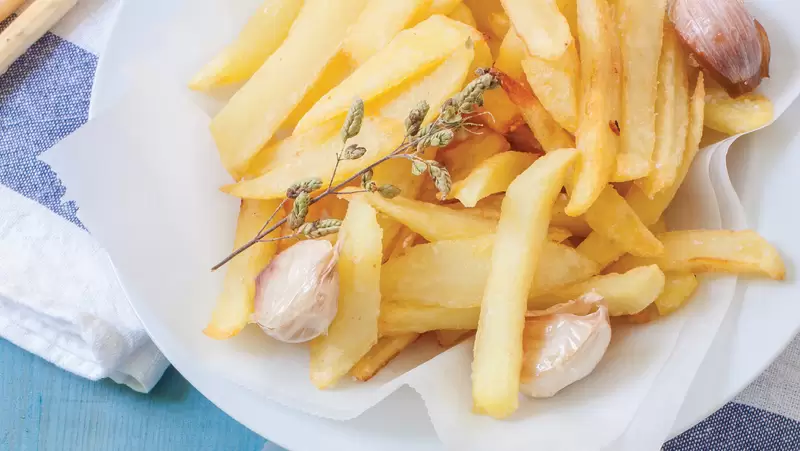
These crispy fries are oven-baked instead of deep fried, giving you the satisfying texture you love with less fat. Seasoned and flavorful, they're a nutritious side dish that pairs well with burgers, sandwiches, or grilled chicken. They’re also delicious when cooked in the air fryer.

Creamy, comforting, and full of roasted garlic flavor, these mashed potatoes prove you don't need decadent ingredients to make an irresistible side dish. They're a healthier take on a classic favorite that's equally perfect for weeknight meals or special occasions.
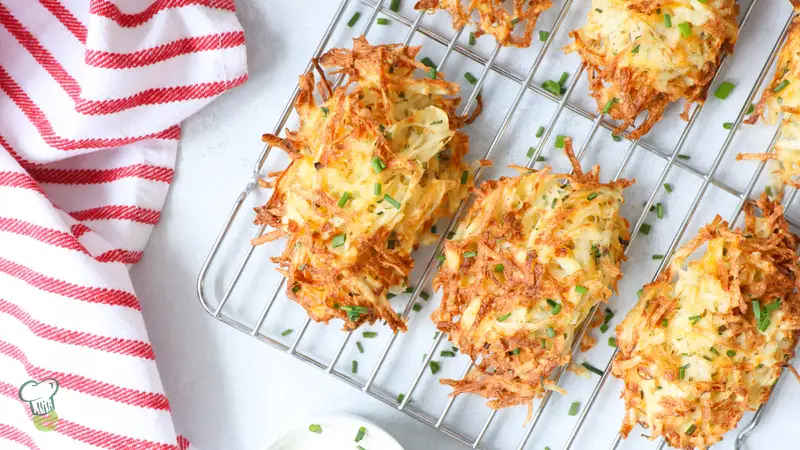
These crispy hash brown patties are cooked until golden brown on the outside while staying tender inside, making them a delicious addition to breakfast or brunch. They deliver classic diner-style flavor in a homemade recipe that's easy to prepare.
"One of my favorite things about potatoes is how adaptable they are," says Nora Minno, RD. "With the right cooking method and nutritious toppings, potatoes can fit into almost any healthy eating plan."
For more ways to incorporate potatoes into your healthy diet, check out our full collection of healthy potato and sweet potato recipes.
While potatoes are healthy on their own, what you top them with may not be. Choosing healthier toppings can add flavor, protein, and extra nutrients while keeping your meal balanced.
Some delicious options include:
Mixing several toppings together can transform a simple baked potato into a complete meal. For example, try topping a baked potato with shredded chicken, steamed broccoli, and a spoonful of Greek yogurt, or add black beans, salsa, and avocado for a Tex-Mex-inspired dinner.
"One of the easiest ways to make potatoes more satisfying is to pair them with protein," explains Nora Minno, RD. "That combination can keep you feeling full longer while creating a more balanced meal."
Cooked potatoes store well, making them a great option for meal prep. Simply allow potatoes to cool slightly and refrigerate within two hours of cooking. Store in airtight food storage containers to help keep them fresh.
Most cooked potato dishes are best enjoyed within three to four days. If you've made a large batch, many potato recipes can also be frozen, although the texture may change slightly after thawing, especially for boiled potatoes.
Here are some options for reheating potatoes:
Even experienced home cooks occasionally run into problems when cooking potatoes. Fortunately, most of these mistakes are easy to avoid:
Here are answers to some very common questions about cooking potatoes.
What's the healthiest way to cook potatoes?
Baking, roasting, steaming, microwaving, and air frying are all healthy cooking methods because they require little or no added fat.
Which potatoes are best for baking?
Russet potatoes are generally considered the best choice because they develop fluffy interiors and crisp skins.
Do I have to peel potatoes before cooking?
No. Many recipes are delicious with the skin left on, which also adds fiber and nutrients.
Should I wash potatoes before peeling them?
Yes. Washing potatoes first helps prevent dirt and bacteria on the skin from transferring to the flesh while peeling or cutting.
Can you cook potatoes without oil?
Absolutely. Potatoes can be baked, boiled, steamed, microwaved, or pressure cooked without oil.
Why aren't my roasted potatoes crispy?
They may have been overcrowded, not dried before cooking, or the oven may not have been hot enough.
Are potatoes healthy?
Potatoes are naturally rich in vitamins, minerals, and complex carbohydrates. Their overall healthfulness depends largely on how they're prepared and what they're served with.
Are potatoes gluten free?
Yes. Plain potatoes are naturally gluten free.
Can people with diabetes eat potatoes?
Many people with diabetes can enjoy potatoes as part of a balanced meal. Portion size and pairing potatoes with protein and fiber are important considerations.
How long do cooked potatoes last in the refrigerator?
Most cooked potatoes stay fresh for about three to four days when refrigerated in an airtight container.
Can you freeze cooked potatoes?
Many cooked potato dishes can be frozen, although some may become slightly softer after thawing.
Which potato has the most potassium?
Most white potatoes are naturally rich in potassium. Sweet potatoes are also an excellent source.
Are sweet potatoes healthier than white potatoes?
Both are nutritious and offer different vitamins and minerals, although many dietitians recommend sweet potatoes as the healthier choice.
Should potatoes be soaked before cooking?
Some recipes benefit from soaking cut potatoes because it helps remove excess surface starch, which can improve browning when roasting or air frying.
What's the best all-purpose potato?
Yukon Gold potatoes are often considered one of the most versatile varieties because they work well for roasting, mashing, soups, and many other recipes.
Whether you're making a simple baked potato for lunch, roasting baby potatoes for a family dinner, or preparing creamy mashed potatoes for a holiday meal, learning how to cook potatoes opens the door to countless healthy, delicious possibilities.
The beauty of potatoes is their versatility. With the right variety and cooking method, as well as a few simple ingredients, they can be transformed into everything from quick weeknight meals to impressive side dishes for special occasions. They also pair well with lean proteins, colorful vegetables, and heart healthy ingredients, making them a smart addition to many balanced eating plans.
As you continue exploring Health eCooks, be sure to check out our detailed guides for different cooking methods, such as how to cook potatoes in the oven, microwave, toaster oven, and pressure cooker, as well as our condition-specific guides on cooking potatoes for diabetes, high blood pressure, and GLP-1 diets. And for a bit of potato inspiration, browse our growing collection of chef-created healthy potato recipes, designed to help you enjoy potatoes in nutritious and flavorful ways.
(Instant Download)
Sign Up for instant access to your free cookbook plus our most popular quick and healthy recipes!