FREEHealthy 30-Minute Meals
(Instant Download)
Sign Up for instant access to your free cookbook plus our most popular quick and healthy recipes!
All olive oils are healthy, true or false? It's a bit of a trick question. Olives that come from the same tree don't always end up in the same bottle. How the oil is pressed and processed decides how much flavor and how many antioxidants make it into your kitchen, and it also decides which cooking jobs each bottle does best.
Olive oil is the backbone of the Mediterranean diet, and our Health eCooks Test Kitchen uses it in almost everything, from dips and dressings to seared chicken and even cake. Watch our quick video, then use this guide to pick the right bottle for every recipe.
Short on time? This is the cheat sheet to keep:
Stand in the oil aisle and you'll usually see 4 kinds of olive oil. This is what sets them apart.
Extra virgin olive oil comes from the first cold pressing of the olives, with no heat or chemicals. It has the most antioxidants, the strongest flavor, the best aroma, and the lowest acidity of any olive oil, along with the highest price tag. Its fruity, sometimes peppery taste shines in dishes you don't cook, so this is the bottle to splurge on.
Virgin olive oil is a step down from extra virgin. It's slightly more acidic and has a little less flavor, less aroma, and fewer antioxidants. It also costs less, which makes it a good value for everyday cooking and for adding a touch of flavor to salads and cooked dishes.
The label might say "pure olive oil," "classic," or simply "olive oil." It's refined olive oil blended with a splash of extra virgin or virgin olive oil for flavor. Refining strips out many of the antioxidants, but pure olive oil still has the same heart-healthy monounsaturated fat. It's inexpensive and takes more heat than extra virgin, so it's a smart pick for hot pans.
Light olive oil is highly refined, with a pale color and a very mild taste. It has very few antioxidants, but it still has the same monounsaturated fat as other olive oils. Its neutral flavor makes it handy for baking and for high heat cooking when you don't want the dish to taste like olives.
Olive oil can handle almost every job in a home kitchen. Match the bottle to the job, and you'll get the best flavor for your money:
If your kitchen fills with smoke, the pan is too hot for the oil you're using. Turn down the heat, or switch to pure or light olive oil for that job.
In our video, we said to save extra virgin olive oil for dishes you don't cook. Research since we made the video has given us a fuller picture. Extra virgin olive oil has a lower smoke point than refined oils, at about 375°F to 405°F, but its monounsaturated fat and natural antioxidants help it stay stable at the temperatures most home cooks use. So go ahead and sauté with it.
There are still 2 good reasons to keep your best bottle away from a smoking-hot pan. Long, very hot cooking dulls its flavor and some of its delicate antioxidants, and extra virgin costs more than you need to spend for a hard sear. For those jobs, pure or light olive oil is the way to go.
"Light" describes the color and flavor of the oil, not the calories or fat. There's no such thing as a low-fat olive oil. Every type, from extra virgin to light, has about 120 calories and 14 grams of fat per tablespoon. If you want the most flavor and antioxidants from those calories, extra virgin is the one to choose.
Heat, light, and air are olive oil's biggest enemies, even the light from your kitchen. A few simple habits keep it tasting fresh:
Each of these dishes was developed by our team of chefs and dietitians to balance taste and nutrition, and each one puts olive oil to work in a different way. Nutrition is per serving.
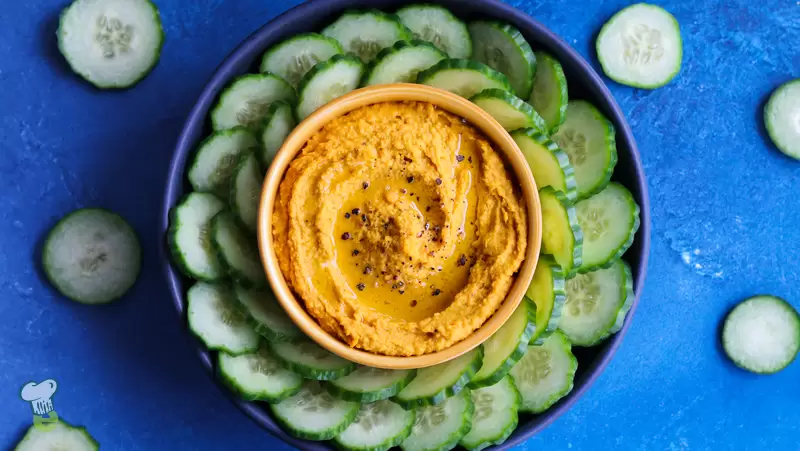
Per serving: 59 calories | 2 grams protein | 134 mg sodium
Extra virgin olive oil blends right into this creamy hummus, and a little honey and Dijon give it a sweet, tangy twist. Finish it with an extra drizzle of oil on top and serve it with crunchy vegetables or whole-grain pita.

Per serving: 233 calories | 8 grams protein | 5 grams fiber | 299 mg sodium
This hearty bean salad is dressed with extra virgin olive oil, so there's no cooking involved and you can taste every bit of that fruity flavor. It's great for lunches and potlucks, and it tastes even better the next day.

Per serving: 147 calories | 2 grams protein | 5 grams fiber | 90 mg sodium
Eggplant soaks up olive oil beautifully as it cooks over medium heat until it's silky and tender. Spoon this Sicilian-style relish over toast, toss it with pasta, or serve it alongside grilled fish.

Per serving: 242 calories | 10 grams protein | 12 grams fiber | 244 mg sodium
A simple sauté in olive oil builds the flavor base for this cozy, plant-powered stew. With 12 grams of fiber per bowl, it's filling enough for a meatless dinner.

Per serving: 265 calories | 26 grams protein | 198 mg sodium
This chicken gets a golden sear over high heat, which makes it a great job for pure olive oil. Bright lemon, juicy tomatoes, and briny olives turn it into a Mediterranean dinner the whole family will love.

Per serving: 350 calories | 3 grams protein | 3 grams fiber | 110 mg sodium
Yes, olive oil belongs in dessert, too! It keeps this banana cake wonderfully moist and tender. Slice it for a weekend breakfast treat or a sweet finish to dinner.
Extra virgin olive oil is cold-pressed with no heat or chemicals, so it keeps the most flavor and antioxidants. Pure olive oil is mostly refined olive oil with a little extra virgin or virgin mixed in. It has a milder flavor and fewer antioxidants, but it costs less and handles higher heat.
In most recipes, you can swap olive oil for vegetable oil in the same amount. Choose light olive oil if you want a neutral flavor, especially in baked goods.
Long, very hot cooking breaks down some of the delicate antioxidants in olive oil, but its heart-healthy monounsaturated fat holds up well. At everyday cooking temperatures, extra virgin olive oil stays stable and keeps much of what makes it good for you.
Olive oil isn't a seed oil. It's pressed from the flesh of the olive, which is a fruit.
Pure or light olive oil is the better choice for frying, since both are refined and can take more heat than extra virgin. To compare olive oil with avocado, peanut, canola, and other oils, see our guide to the best oil for high heat cooking.
Ready to put that bottle of olive oil to work? These are a great place to start:
(Instant Download)
Sign Up for instant access to your free cookbook plus our most popular quick and healthy recipes!