FREEHealthy 30-Minute Meals
(Instant Download)
Sign Up for instant access to your free cookbook plus our most popular quick and healthy recipes!
You've got salmon fillets ready to sear and a skillet heating up on the stove. Which bottle should you grab? The best oil for high heat cooking is one that stays stable when the pan gets really hot, so it doesn't smoke, turn bitter, or break down while your dinner cooks.
For searing, stir-frying, and other high heat cooking, our team of chefs and dietitians reaches for refined liquid oils like avocado oil, peanut oil, canola oil, high-oleic sunflower or safflower oil, and pure olive oil. Extra virgin olive oil handles everyday sautéing better than most people think. Below, you'll find how to choose, smoke points for 8 heart-healthy oils, and which fats to skip when the heat is turned all the way up.
Two things decide how well an oil handles heat. The first is its smoke point, the temperature where it starts to smoke. Once oil smokes, it is breaking down. The flavor turns harsh, and the smoke can sting your eyes and fill your kitchen. Refined oils usually have higher smoke points than unrefined ones, because refining removes the free fatty acids and tiny bits of plant matter that make oil smoke sooner.
The second is oxidative stability, or how well the oil holds up against oxygen while it sits in a hot pan. Researchers now think this matters even more than smoke point. Oils high in monounsaturated fat, like olive, avocado, and high-oleic sunflower oil, tend to stay stable. Oils high in polyunsaturated fat break down faster, especially during long frying sessions.
One 2018 lab study heated extra virgin olive oil and several other common cooking oils for hours at frying temperatures. Extra virgin olive oil formed the fewest breakdown compounds of the group, even though its smoke point wasn't the highest. The study came from a lab that tests olive oil for the industry, so more independent research would help, but its results line up with what scientists know about monounsaturated fats.
For a heart-healthy kitchen, the type of fat counts too. The American Heart Association recommends liquid, non-tropical oils with less than 4 grams of saturated fat per tablespoon in place of butter, lard, and coconut oil. You can read more about how fats fit into an eating plan in our heart healthy diet guidelines.
Not every recipe pushes oil to its limit. Here's a rough guide to how hot common cooking methods get and what that means for your oil:
If your kitchen fills with smoke while you cook, your oil is telling you something. Either the pan is too hot, or that oil isn't the right one for the job.
All 8 of these heart-healthy oils handle high heat well. Smoke points change from brand to brand and with how the oil was processed, so think of these numbers as ballpark figures:
Olive oil comes in several types, and they don't all behave the same way in a hot pan. Extra virgin olive oil is the least processed, with the most flavor and antioxidants, and it's a great everyday choice for sautéing and roasting. Pure and light olive oil are refined, so they take more heat and cost less, which makes them the better pick for a very hot sear or for frying.
A handy approach is to keep 2 bottles in the pantry, extra virgin for flavor and everyday cooking and a pure or light olive oil for the hottest jobs. For a full rundown of each type, plus tips for baking and storage, see our guide on how to cook with olive oil.
Some fats smoke too soon for high heat cooking, and others don't fit a heart-healthy kitchen. These are the ones to keep off the burner when you're searing or stir-frying:
Hot oil should shimmer and flow easily when you tilt the pan. That's your cue to add the food. If you see wisps of smoke, turn the heat down right away. When oil smokes heavily or smells sharp and acrid, it has gone past its smoke point, and it's best to wipe out the pan and start fresh with new oil.
If oil ever catches fire, turn off the burner and slide a lid over the pan. Never pour water on an oil fire, because it can make the flames spread.
Each of these dishes was developed in the Health eCooks Test Kitchen to balance taste and nutrition, and each one shows a different oil or heat level in action. Nutrition is per serving.

Per serving: 414 calories | 28 grams protein | 4 grams fiber | 248 mg sodium
This is high heat cooking at its best! The shrimp hit a smoking-hot wok with olive oil and cook undisturbed for a minute so they get a golden sear, then snow peas, bell pepper, crunchy water chestnuts, and sesame seeds join them for a quick toss. Pure olive oil is a great fit for a dish cooked this hot.

Per serving: 268 calories | 25 grams protein | 243 mg sodium
Lightly dredged shrimp cook in grapeseed oil over medium-high heat for just 2 minutes per side, which is exactly the kind of short, hot cooking grapeseed oil handles best. Serve them on a bed of lettuce with lemon wedges for squeezing.
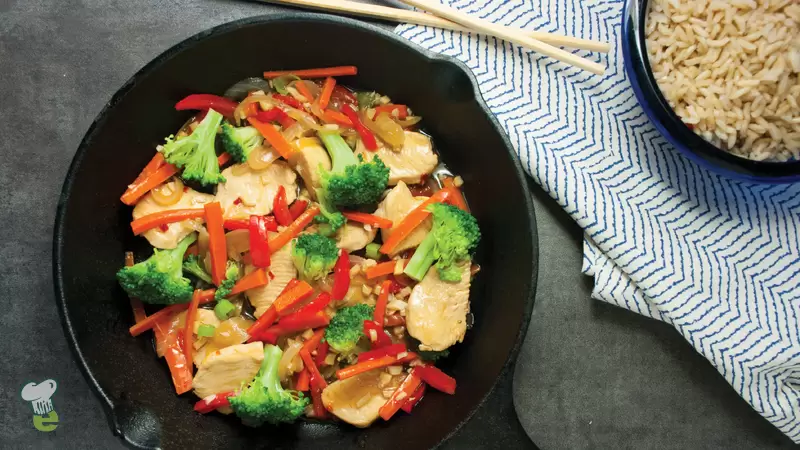
Per serving: 245 calories | 18 grams protein | 3 grams fiber | 414 mg sodium
This weeknight favorite lets you choose olive oil or canola oil, and both work beautifully over medium-high heat. Tender chicken and crisp vegetables come together in one pan for a light, satisfying dinner.

Per serving: 110 calories | 5 grams protein | 4 grams fiber | 118 mg sodium
Roasted at 450°F with just 1 tablespoon of olive oil, this broccoli comes out crisp-tender with toasty, golden edges. It's proof that olive oil holds up in a hot oven, and the garlic and red pepper flakes give every bite a little kick.
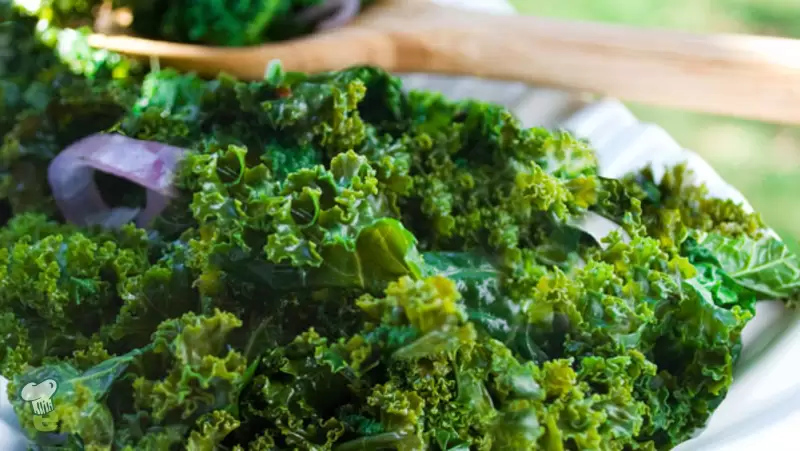
Per serving: 45 calories | 2 grams protein | 70 mg sodium
Onion, garlic, and red pepper flakes sizzle in olive oil over medium-high heat before tender kale goes in. Extra virgin olive oil is perfect here, since its fruity flavor shines through and the heat stays well within its comfort zone. A splash of red wine vinegar brightens it all up.

Per serving: 38 calories | 28 mg sodium
No heat at all means this is the place for your best bottle of extra virgin olive oil. A teaspoon of toasted sesame oil adds deep, nutty flavor, and a touch of maple balances it out. Toss it with greens, drizzle it over grain bowls, or use it as a marinade.
Refined avocado oil has the highest smoke point of the common cooking oils, at about 520°F. High-oleic safflower and sunflower oil, refined peanut oil, and pure olive oil are also excellent choices and usually cost less. All of them are heart-healthy, liquid oils that stay stable when the pan gets hot.
Extra virgin olive oil is safe for most home cooking, including sautéing and roasting. Its smoke point is lower than refined oils, but its monounsaturated fat and antioxidants help it stay stable. For very hot searing or frying, a pure olive oil or avocado oil is a better pick, and it also saves your pricier extra virgin for dishes where you can taste it.
Refined avocado oil can take more heat than any olive oil, so it's a great choice for searing steak or stir-frying. Both are high in monounsaturated fat. Olive oil, especially extra virgin, has more research behind its heart health benefits and usually costs less, so many home cooks keep both on hand.
If you're frying, choose a stable, refined oil like high-oleic sunflower, high-oleic safflower, avocado, or pure olive oil, and avoid reusing the same oil over and over. Our dietitians suggest saving deep-fried foods for special occasions. You can get a similar crunch with much less oil in our 8 heart healthy air fryer recipes.
Smell it and taste a drop. Oil that has gone rancid smells stale, like old nuts or crayons, and tastes bitter. If it seems off, toss it, since rancid oil will make your food taste off too.
Now that you know which oil to reach for, put that skillet to work. You might also like these:
(Instant Download)
Sign Up for instant access to your free cookbook plus our most popular quick and healthy recipes!