FREEHealthy 30-Minute Meals
(Instant Download)
Sign Up for instant access to your free cookbook plus our most popular quick and healthy recipes!
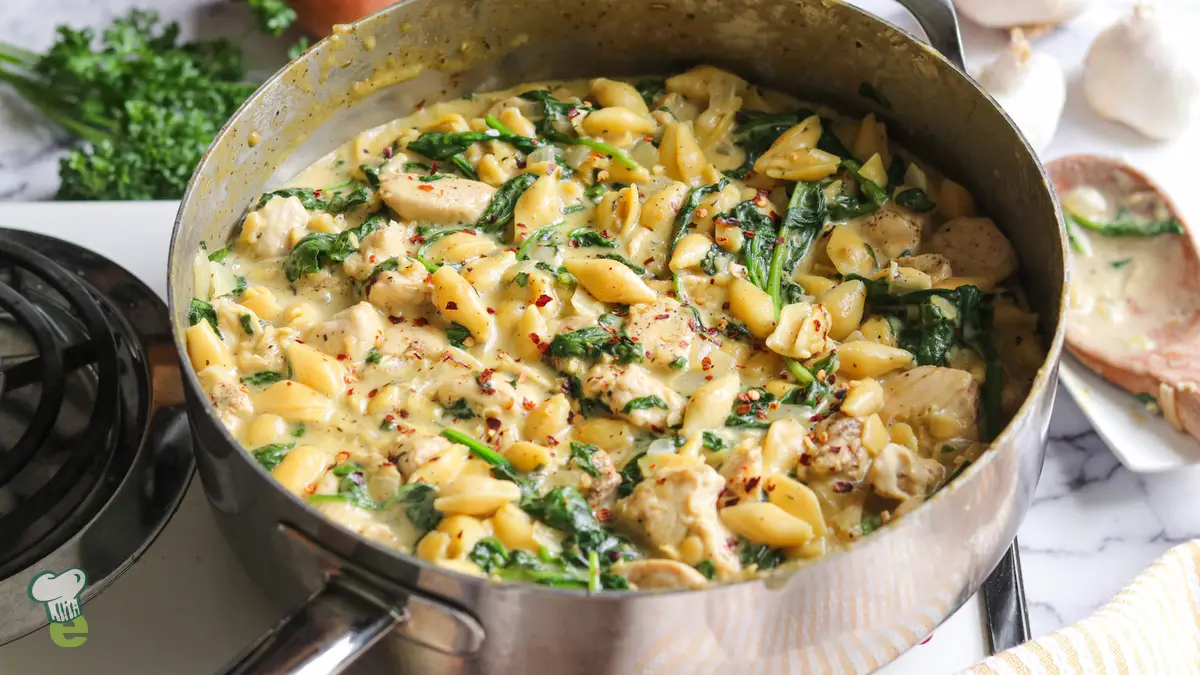
Mac and cheese usually stops being appealing the moment you turn the box around. The standard version gives you around nine grams of protein and a heavy dose of sodium, which is why it tends to get treated as a side dish rather than dinner. This High Protein Chicken Mac and Cheese changes both of those numbers at once, with 36 grams of protein and only 156 mg of sodium in a one cup serving.
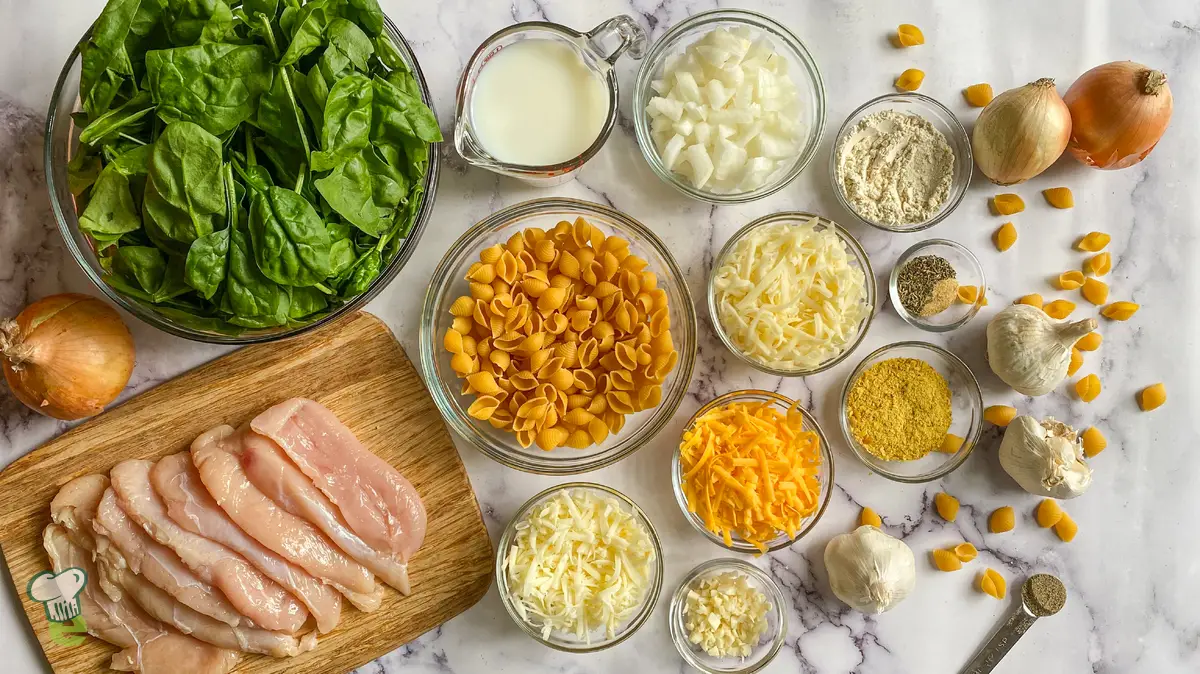
The difference starts with the pasta rather than the cheese. Chickpea shells bring protein and fiber of their own before anything else goes into the pan, so the recipe gets to 36 grams without needing a mountain of cheddar. Add a pound and a quarter of lean chicken tenders, three cheeses used sparingly and a couple of tablespoons of nutritional yeast, and dinner is on the table in 30 minutes.
For more of our protein-forward dinners, browse our collection of high protein recipes.
This recipe rebuilds a comfort food classic around lean protein and fiber instead of fat and salt. Chickpea pasta and baby spinach supply six grams of fiber, lean chicken tenders hold saturated fat to three grams, and using only six ounces of cheese across six servings is what keeps sodium at 156 mg without losing the creamy texture.
(Instant Download)
Sign Up for instant access to your free cookbook plus our most popular quick and healthy recipes!
It depends entirely on how it is built. This version has 36g of protein, 6g of fiber and 156mg of sodium per serving, which makes it a balanced main course rather than an occasional treat.
Most versions hold 10 to 15 grams per serving. This one has 36 grams, because the protein comes from the chickpea pasta and the cheese as well as the chicken.
Chicken breast or tenders give the most protein for the fewest calories. Canned tuna, white beans and blended cottage cheese also work, though none of them match lean chicken per serving.
Yes, though protein drops by about four grams per serving and you lose about half the fiber. Chickpea pasta is also what keeps this recipe gluten free.
No. It uses part-skim mozzarella, reduced fat sharp cheddar and Swiss over a skim milk sauce, so the texture stays smooth without blending cottage cheese.
If the combination of lean chicken and protein-forward pasta works for you, these dinners take the same approach, each one staying under 250mg of sodium with at least 25 grams of protein a serving.
We have a mac and cheese for most situations. If you are counting calories more closely than protein, or watching sodium because of blood pressure, one of these will suit you better than this one.
Boxed macaroni and cheese is built around powdered cheese and salt, which is why the sodium runs so high and the protein so low. Rebuilding the same dish with chickpea pasta, fresh chicken and a small amount of real cheese changes almost every line of the nutrition panel. Here is how a one cup serving of our version compares with a prepared boxed one.
*Boxed figures are per prepared serving and vary by brand. Worth a check with Erin before publication, or citing USDA FoodData Central directly.
Recipe yields 6 servings
Bring a large pot of lightly salted water to a boil. Cook the pasta to al dente, according to the package directions. Reserve about 1 cup of the pasta water. Drain the pasta, gently toss to remove excess water, and drizzle lightly with olive oil to prevent the pasta from sticking; set aside.
Heat 1 tablespoon olive oil in a large skillet over medium-high heat. Add the chicken pieces and season with ½ teaspoon ground black pepper. Sauté until the chicken is golden on the outside and fully cooked through, about 5 minutes. Transfer chicken mixture to a large plate. Set aside.
To the same skillet, add the remaining 1 tablespoon olive oil and heat until shimmering. Add the chopped onion and cook until beginning to soften, about 3 minutes. Add the minced garlic and cook until fragrant, about 30 seconds. Sprinkle the flour over the onion mixture. Cook and stir for 1 minute, until all the white bits of flour are gone (Note: the pan will seem dry).
Slowly pour in the skim milk, stirring with each addition of milk. Bring to a simmer. Stir in the Italian seasoning, garlic powder and remaining ¼ teaspoon ground black pepper. Continue simmering until beginning to thicken, about 2 to 3 minutes.
Stir in the mozzarella, sharp cheddar, Swiss cheese, and nutritional yeast and cook until fully melted and smooth. Turn off the heat and add the cooked chickpea pasta shells and chicken; stir to combine. Add the spinach about a cup at a time, until the spinach wilts and is fully incorporated. If the sauce seems too thick, add splashes of the reserved pasta water as needed (Note: the cheese sauce should be creamy and coat the pasta and chicken).
Enjoy warm garnished with a sprinkle of chopped parsley or crushed red pepper flakes, if desired. Store leftovers in an airtight container in the refrigerator for up to 4 days, or in the freezer for up to 3 months.
This is a complete meal on its own, so keep the sides light and green. A simple garden salad with a lemon vinaigrette, roasted broccoli or garlicky green beans all work well, and none of them add meaningful sodium. If you are feeding a crowd, a tray of roasted vegetables stretches six servings comfortably.
Any chickpea or lentil pasta works. Whole wheat shells are fine too, but protein drops by a few grams a serving and the dish is no longer gluten free.
Boneless skinless chicken breast cut into pieces behaves identically. Shredded rotisserie chicken saves time but usually brings added sodium with it.
Gruyere can stand in for the Swiss and provolone for the mozzarella. Keep the total at six ounces to hold the sodium figure.
Unsweetened plain almond or soy milk works in place of skim, though the sauce will be a little thinner.
Use unsweetened plant milk with a vegan cheddar alternative, and increase the nutritional yeast to three tablespoons.
If the creamy, comforting side of this dish is what appeals, these recipes take the same approach to other pasta favourites, keeping the texture rich while holding sodium under 200 mg a serving.