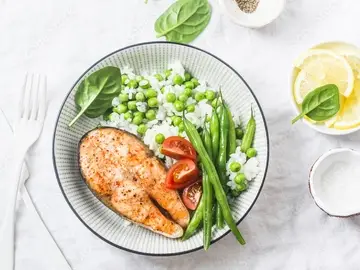
FREEHealthy 30-Minute Meals
(Instant Download)
Sign Up for instant access to your free cookbook plus our most popular quick and healthy recipes!
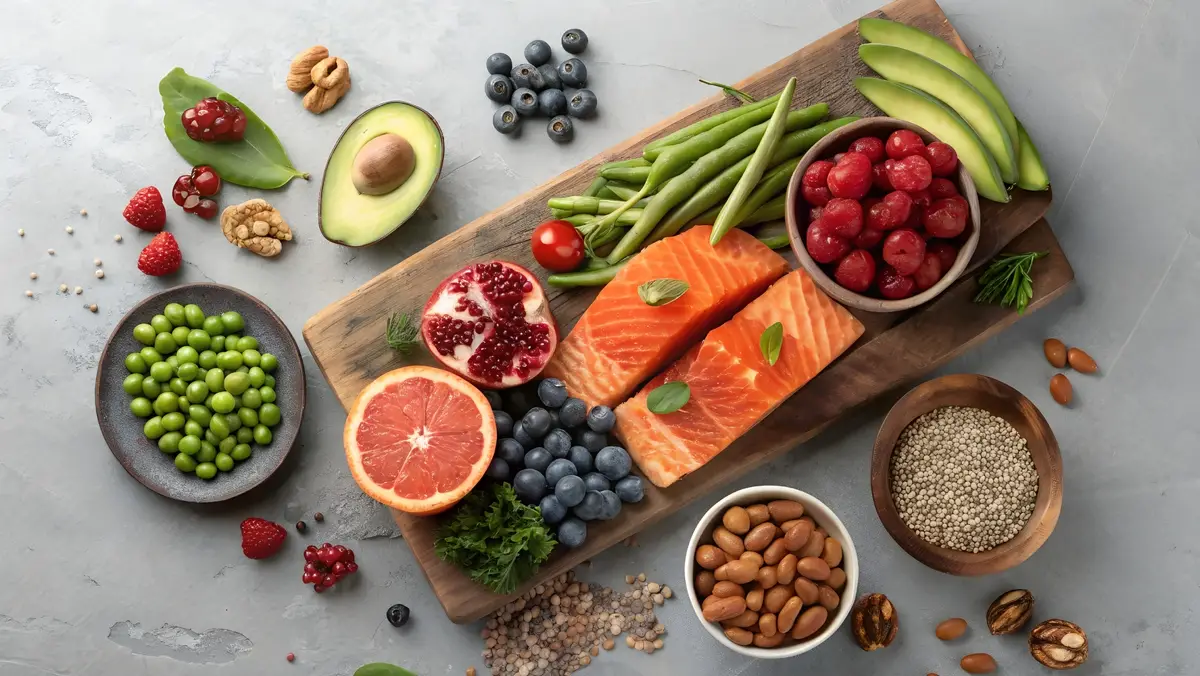
Hot flashes, restless nights, brain fog. What you put on your plate may help you feel better.
Menopause changes a lot more than your period. As your hormone levels shift, you may notice hot flashes, night sweats, mood swings, foggy thinking, low energy, and sleep that just won't cooperate. Every woman goes through this phase differently, and the symptoms can be bothersome.
If you want to address your symptoms with something natural, your kitchen is a good place to start. No single food makes menopause symptoms disappear, but certain nutrients and plant compounds have been linked to fewer hot flashes, better sleep, steadier energy, and an improved mood.
Here are nine foods to eat more often during menopause, and an easy recipe for each one from our Health eCooks dietitians and chefs.
Estrogen levels drop during menopause, and that affects far more than your cycle. It can influence your sleep, your mood, your energy, your bone strength, and your heart health. Food won't replace what your body stopped making, but it can support the systems that feel the changes the most.
Blood sugar is a good example. When meals are mostly refined carbs, your energy spikes and crashes, and that crash can show up as irritability and fatigue. Meals built around protein, fiber, and healthy fats keep things steadier.
Before you overhaul your diet, spend a week or two writing down what you eat and how you feel. Note when hot flashes hit, how you slept, and what your energy did in the afternoon.
You’ll likely notice that patterns emerge. You may find that wine at dinner wakes you at 2 a.m., or that a bigger breakfast keeps your afternoon steadier. Your list of helpful foods won't look exactly like your friend's, and a journal is the quickest way to find the food changes that will work best for you.
These nine foods each target something different, from hot flashes to sleep to foggy thinking. They’re not guaranteed to make you menopause symptom-free but they may help you feel better.
Soybeans, edamame, tofu, and tempeh contain isoflavones, plant compounds that act like a much weaker form of estrogen in your body. Some women who eat whole soy foods regularly notice their hot flashes come less often and feel less intense. Soy also delivers protein, so meals stay satisfying longer.
Try this recipe:

Whole edamame gets tossed with crisp cucumber, sweet red pepper, juicy tomatoes, and a lemony oregano dressing, with a little feta and olives for a salty bite. It's a fresh way to eat soy in its whole form instead of a supplement, and it has 10 grams of protein per serving. Browse more soy and tofu recipes if you want to work it in more often.
Salmon, trout, sardines, and mackerel are loaded with omega-3 fatty acids. Research suggests omega-3s may support mood and improve sleep quality, and both tend to get harder during menopause. Omega-3s are also good for your heart, which matters more after menopause because heart disease risk climbs once estrogen drops.
Try this recipe:

Tender salmon fillets get topped with a bright green sauce of parsley, basil, capers, and a little jalapeño heat. Each serving has 28 grams of protein and only 116 mg of sodium. Two servings of fatty fish a week is a good target, and our heart healthy salmon recipes make that easy to hit.
If menopause has you waking up at odd hours, yogurt may be worth adding to your evening routine. Stick with plain or lightly sweetened versions. Yogurt has calcium, and some research suggests calcium plays a role in healthy sleep. The protein helps too, since it keeps you full until morning instead of hungry at midnight.
Try this recipe:
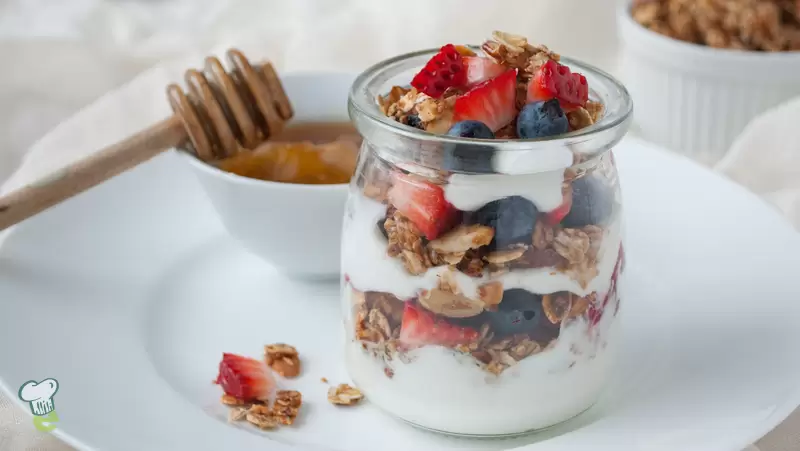
Creamy Greek yogurt gets layered with cinnamon oats, sliced almonds, strawberries, and blueberries, sweetened with just a touch of honey. Each parfait has 15 grams of protein and only 36 mg of sodium. For more evening ideas, see our roundup of foods that help you sleep.
Flaxseeds contain lignans, natural plant compounds with mild estrogen-like effects. The research here is mixed, and flaxseed isn't a guaranteed fix, but some women report fewer hot flashes once ground flaxseed becomes a regular part of their day. Buy it ground, or grind the seeds yourself, because whole flaxseeds pass through your system without providing much benefit.
Try this recipe:
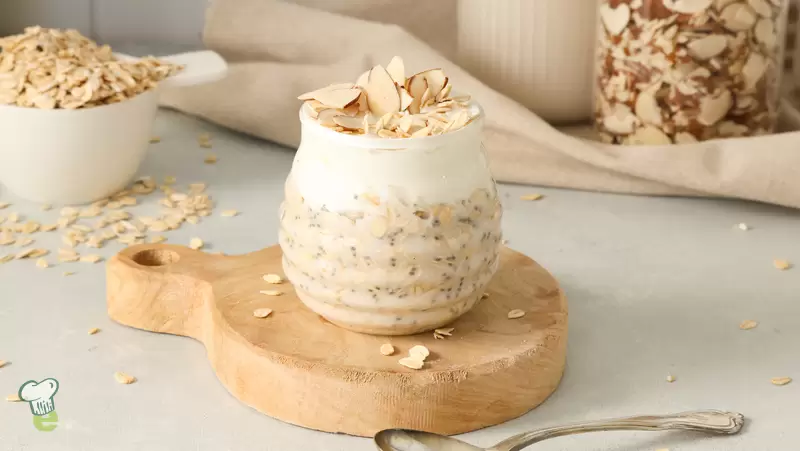
Flaxseed meal and chia seeds get stirred into creamy vanilla oats with cinnamon and a drizzle of maple syrup, then it all sits in the fridge overnight. You wake up to a delicious breakfast with 13 grams of protein and 7 grams of fiber.
Plenty of women notice they're losing words or rereading the same paragraph during menopause. Berries are packed with antioxidants that help protect brain cells and support healthy brain function, and they're one of the easiest foods on this list to eat more of.
Try this recipe:

Blueberries, strawberries, raspberries, and blackberries get blended with frozen banana, yogurt and milk into something thick, cold, and sweet. It's a good breakfast on a morning when you wake up overheated and don't feel like cooking. And you’ll find plenty more berry recipes to help you get your fill of this delicious and nutritious food.
Energy can dip hard during menopause, especially after a rough night of poor sleep. Beans and lentils contain fiber and protein, which slows digestion, keeps blood sugar from swinging, and gives you energy that lasts past mid-afternoon.
Try this recipe:
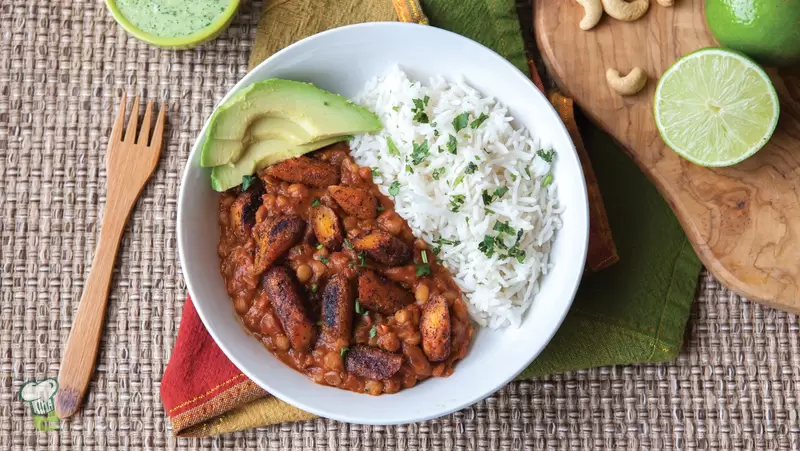
Red lentils simmer with roasted carrots, warm curry spices, and basmati rice, finished with a creamy cashew cilantro sauce. One serving has 11 grams of protein and 9 grams of fiber. Our high fiber foods guide has more ways to get more of this important nutrient in your diet.
Spinach, kale, and other leafy greens are rich in magnesium, a mineral your muscles and nerves need to work normally. Magnesium may also help some people wind down before bed, though researchers are still sorting out how much it helps and for whom.
Try this recipe:
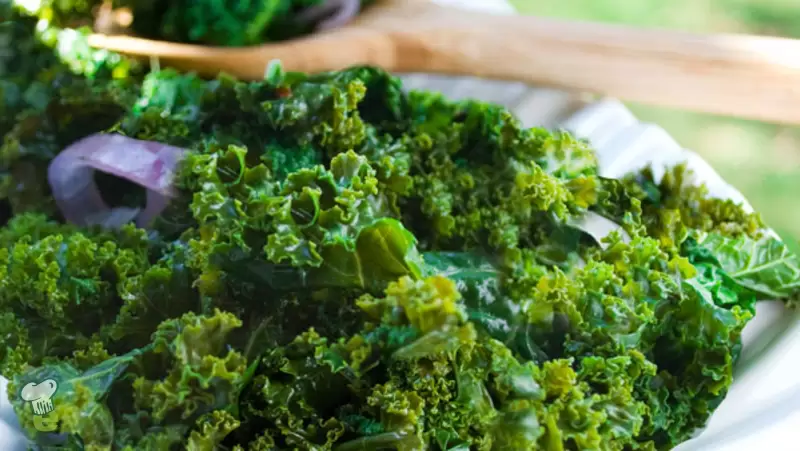
Kale gets cooked down with red onion, garlic, and a pinch of red pepper flakes, then splashed with red wine vinegar so it tastes bright instead of bitter. It's 45 calories and 70 mg of sodium per serving, and it goes with almost any dinner you're already making.
Oatmeal, quinoa, and brown rice digest slowly, which keeps your blood sugar more even through the day. Skipping those spikes and crashes may head off some of the irritability, fatigue, and mood swings that come with this stage.
Try this recipe:

Brown rice cooks in low sodium broth with onion, fresh ginger, and lime zest, so a plain side dish turns into something flavorful. It has 74 mg of sodium and 3 grams of fiber per serving.
Cucumbers, watermelon, celery, and oranges are mostly water, which makes them a smart pick when hot flashes leave you overheated and drained. Staying hydrated may also ease dry skin, headaches, and constipation, three more complaints that tend to show up during menopause.
Try this recipe:

Sweet watermelon and honeydew get chopped with cucumber, mint, fresh ginger, and a little jalapeño for a cool, juicy salsa that's 30 calories a serving. Scoop it up on its own or spoon it over grilled fish. Our list of hydrating foods and drinks has more cooling ideas.
When it comes to menopause symptoms, adding helpful foods is only half of the equation. Pulling back on a few things may help just as much, such as:
You don't need to cut all of these foods out. Your journal will tell you which, if any, of these foods triggers symptoms so you’ll have a better idea of how these common culprits affect you.
Whole soy foods like edamame, tofu, and tempeh are the most studied, and contain isoflavones that act like a weak form of estrogen. Ground flaxseed, water-rich fruits and vegetables, and meals that keep your blood sugar steady may also help. Results vary a lot from woman to woman, however.
You may need to eat a food regularly for several weeks before you can judge whether it’s helping. Most of the research on soy and flaxseed looks at daily intake over a period of weeks or months, not just a single meal or day.
Whole soy foods are considered safe for most women, and they're a normal part of everyday eating in many countries. Concentrated soy supplements are a different story. If you have a history of breast cancer or you're on hormone therapy, ask your doctor before taking soy supplements.
It may help. A dinner with protein and fiber keeps blood sugar steadier overnight, and calcium-rich foods like yogurt may support sleep. Cutting back on alcohol and afternoon caffeine usually makes a bigger difference than anything you add.
Food first is the approach our Health eCooks dietitians recommend, since whole foods give you fiber and protein alongside the compounds you're after. Talk with your doctor or a registered dietitian before starting a supplement, especially if you take other medications.
Food is one tool that may help ease symptoms, but it’s best to call your healthcare provider if your symptoms are severe, interfere with work, sleep, or your relationships, or if you have heavy or irregular bleeding. There are effective treatments available, and a provider can help you weigh them alongside any natural changes you're making at home.
Want more ideas? Start with our guide to the best foods to eat during menopause, which covers bone health, muscle strength, and weight changes in more detail. From there, browse our mood boosting foods, non-dairy calcium sources, and anti-inflammatory recipes. Every recipe on our site comes out of the Health eCooks Test Kitchen, so you can cook any of them with the confidence that they’re not only tasty, but good for you.
(Instant Download)
Sign Up for instant access to your free cookbook plus our most popular quick and healthy recipes!