FREEHealthy 30-Minute Meals
(Instant Download)
Sign Up for instant access to your free cookbook plus our most popular quick and healthy recipes!

Living with Meniere’s disease can be frustrating and unpredictable. One minute things seem fine, and the next you may be dealing with dizziness, ringing in the ears, or pressure that makes it hard to focus. Because fluid balance in the inner ear plays a primary role in causing symptoms, many health providers recommend a Meniere’s low sodium diet as part of an overall treatment plan.
Adjusting sodium intake is one of the most common nutrition strategies used to help manage flare-ups. Meniere’s disease affects the inner ear, which controls balance and hearing. Changes in fluid levels in the ear may trigger vertigo and other symptoms, and since sodium influences how the body holds onto fluid, a low sodium diet for Meniere’s disease is often suggested. By keeping sodium intake lower, it may help reduce shifts in fluid levels that trigger symptoms.
A low sodium diet is often recommended for people with this condition and focuses on limiting daily sodium while keeping intake relatively consistent from meal to meal. Many healthcare providers suggest aiming for about 1,500 to 2,000 milligrams of sodium per day, although personal recommendations can vary.
Following a low salt diet for Meniere’s disease isn’t just about skipping the salt shaker. Most sodium in the average American diet comes from packaged foods, canned soups, deli meats, frozen meals, and restaurant dishes. Changing your diet starts with paying attention to food labels, eating out less often, and enjoying more fresh ingredients instead of processed ones.
These tips from the dietitians at Health eCooks can help you make dietary changes that may reduce symptoms:
If you’re not used to limiting sodium, rest assured that taste preferences typically adjust over time. Many people find that once they reduce the amount of sodium they consume, fresh foods begin to taste better and more satisfying and they don’t even miss the salt.
Eating meals that fit into a low sodium diet for Meniere’s disease doesn’t mean you have to give up the food you love. The chefs and dietitians at Health eCooks have created flavorful recipes that work well within a low salt diet. Each is delicious, nutritious, and easy to make.

This colorful sheet pan dinner brings together juicy chicken and roasted vegetables with bright Mediterranean flavors. Olive oil, herbs, and simple seasonings do the heavy lifting, making it a naturally low sodium option that tastes fresh and vibrant.
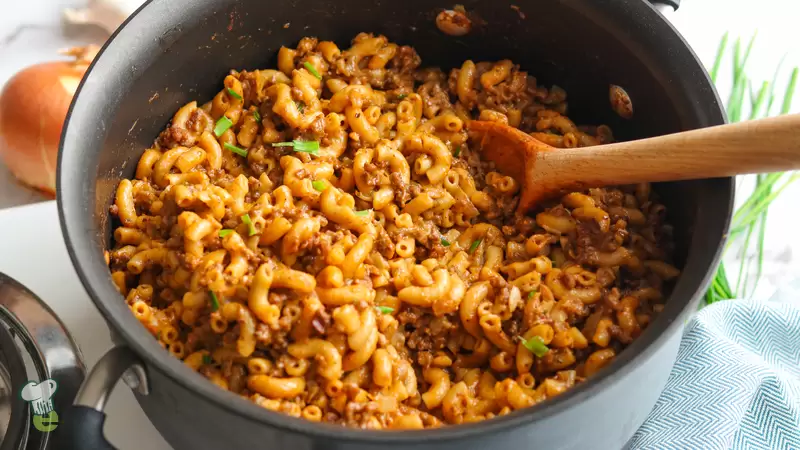
Craving comfort food? This better-for-you version of cheeseburger macaroni delivers that cozy, familiar taste without the high sodium found in many boxed meals. Lean protein and a balanced sauce create a hearty dish that fits comfortably into a low sodium diet.

Packed with crisp vegetables and lean protein, this stir-fry proves that bold flavor doesn’t require excess salt. The savory sauce is thoughtfully crafted to stay low in sodium while still giving you that classic takeout-style taste.
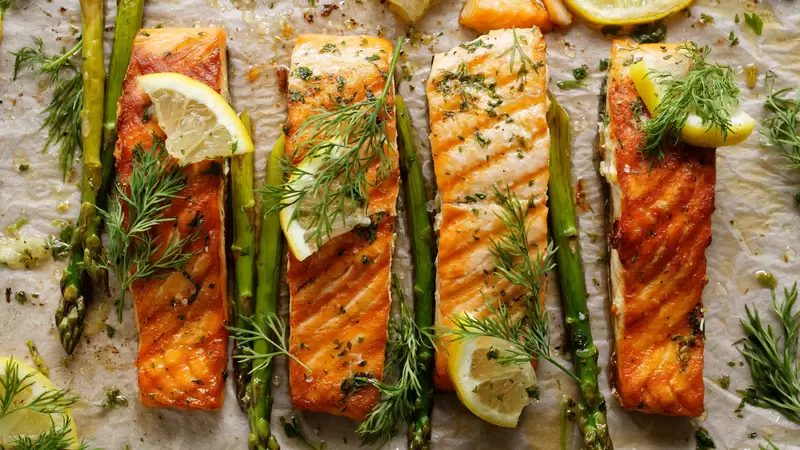
Simple, clean, and satisfying, this grilled salmon paired with tender asparagus is a naturally low sodium meal. A squeeze of lemon and carefully chosen seasonings enhance the flavor, making it a smart choice for anyone following a Meniere’s low salt diet.

This build-your-own-style bowl layers seasoned protein, grains, and fresh vegetables into a balanced meal. Because it’s made at home, sodium stays under control, and you still get those bold, taco-inspired flavors that make dinner festive and fun.
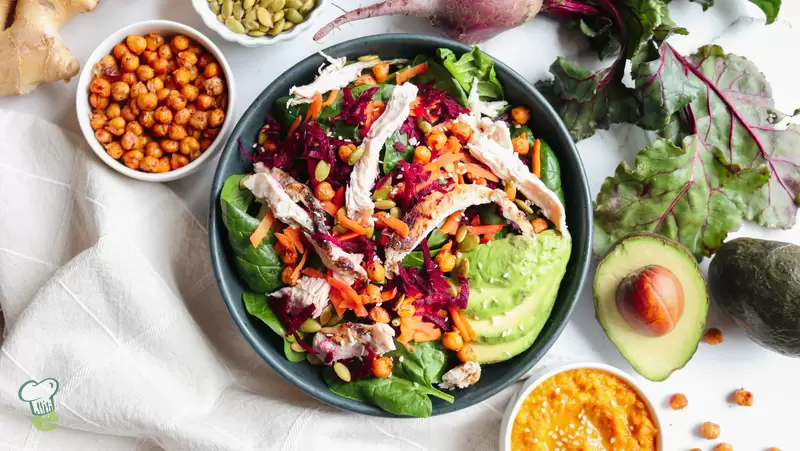
Light yet filling, this salad combines tender chicken with crisp vegetables for plenty of texture. The flavors are bright and refreshing, offering a lower sodium alternative to many restaurant-style salads that rely on salty dressings.

A comfort food classic gets a smart makeover here. This meatloaf keeps sodium lower than traditional recipes while holding onto the rich, savory taste people love. It’s proof that a low salt diet can still include familiar favorites.
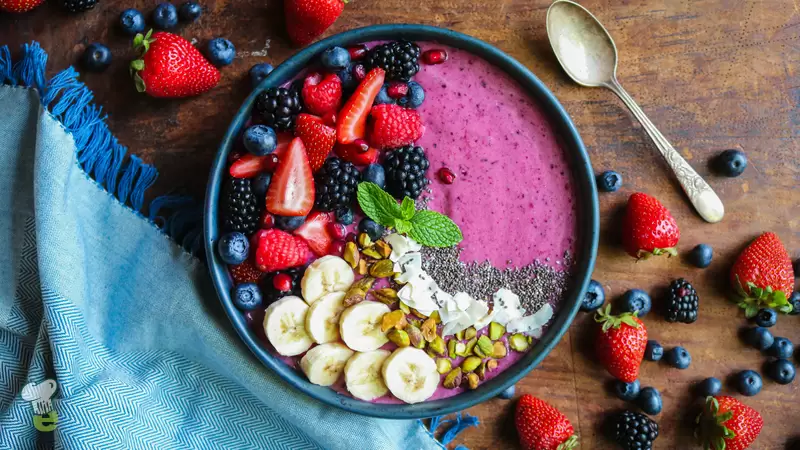
Naturally low in sodium, this smoothie bowl blends sweet berries into a creamy base and tops it with wholesome ingredients. It’s a refreshing breakfast or snack that supports a low salt diet for Meniere’s disease and keeps you going strong.

This savory breakfast option brings together wholesome ingredients and bright Mediterranean flavors in one easy dish. It’s a convenient, low sodium way to start the day with balanced nutrition and steady energy.
If you’ve been diagnosed with Meniere’s disease, treatment often includes a combination of medications, non-surgical therapies, and lifestyle changes. Although following a Meniere’s low sodium diet may not cure the condition, it can be an important tool for symptom management because it helps to reduce fluid retention in the inner ear.
Looking for more delicious low sodium recipes? Check out these blogs for ideas and inspiration or browse the other low sodium appetizers, dinners and snack recipes on our site:
(Instant Download)
Sign Up for instant access to your free cookbook plus our most popular quick and healthy recipes!