FREEHealthy 30-Minute Meals
(Instant Download)
Sign Up for instant access to your free cookbook plus our most popular quick and healthy recipes!
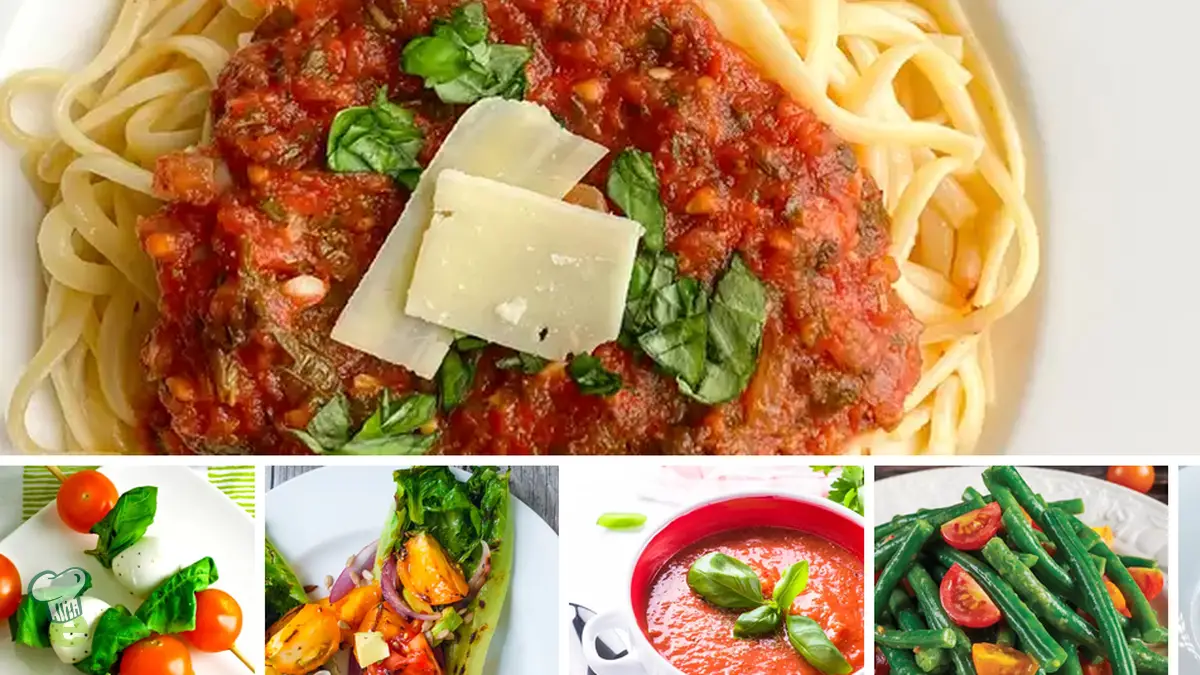
Who says a low sodium diet has to taste flat? Fresh tomatoes carry only a trace of sodium naturally, which makes them one of the easiest ingredients to build big flavor around when you're watching your salt.
The trouble starts when tomatoes go into a can, a jar or a bottle. That's where the salt gets added, and sauce, soup and juice are three of the heaviest sodium sources in an ordinary week of cooking. Every recipe below uses fresh tomatoes or no-salt-added cans, so they all fit the low sodium diet guidelines our dietitians follow. The saltiest one on the list is still only 131mg.
A fresh tomato has almost no sodium in it at all. What it does have is glutamate, the same natural compound that makes food taste savory, which is exactly what your tongue is missing when you cut back on salt.
That's why tomatoes show up again and again in low sodium cooking. Cook them down and that savory depth concentrates, so you get the rich, mouth-filling flavor you'd normally reach for the salt shaker to create.
Pair them with garlic, fresh basil, oregano and a splash of balsamic vinegar and you've replaced salt entirely. Every recipe here leans on that combination.
Two of these recipes use canned tomatoes, and that's fine as long as you read the label rather than the front of the can.
Look for the words no salt added. Regular canned tomatoes, tomato paste and tomato sauce all carry added salt, and a single cup can hold several hundred milligrams. The no-salt-added version of the same product sits close to zero.
The same goes for tomato juice and vegetable stock. Both come in unsalted versions, and both are used in the soup below.

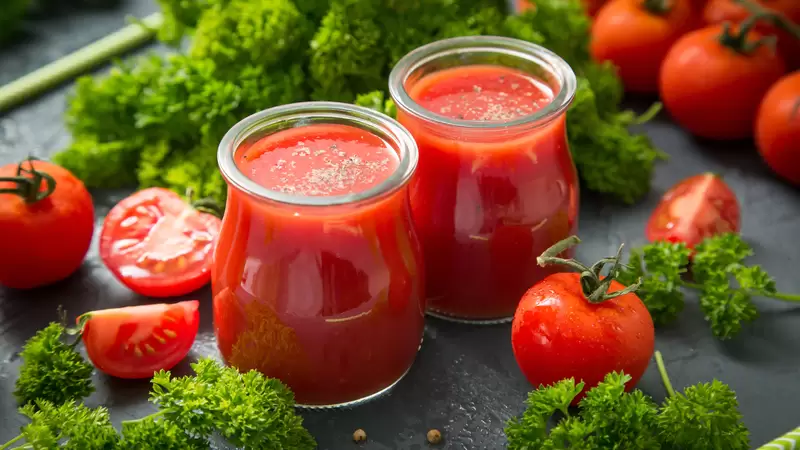
Skip the jarred sauce and the hidden salt that comes with it! A dozen fresh Roma tomatoes simmer down with garlic, onion and no-salt-added tomato paste, while balsamic vinegar and a touch of brown sugar do the work salt usually does. You get a rich, slow-cooked sauce with just 95mg of sodium per serving.
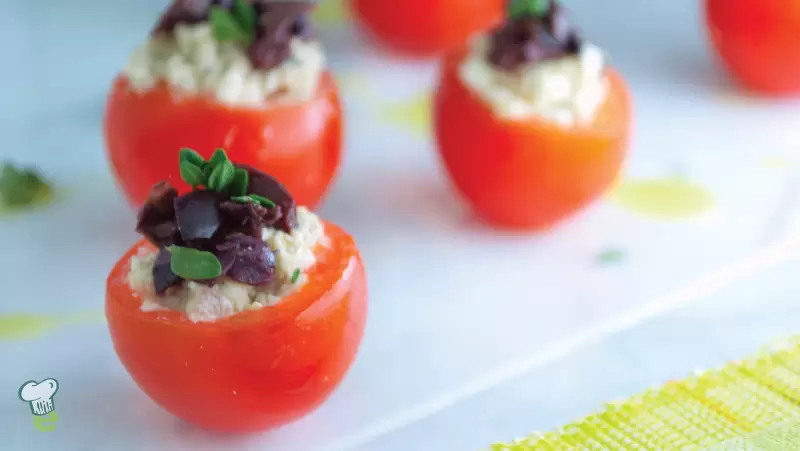
Feta gets crossed off most low sodium lists, but used as a filling rather than a base, a little goes a long way. Four ounces mashed with shallot, oregano and balsamic fills a whole pound of sweet cherry tomatoes for you. Nothing goes near a stove, and each serving holds only 124mg of sodium.
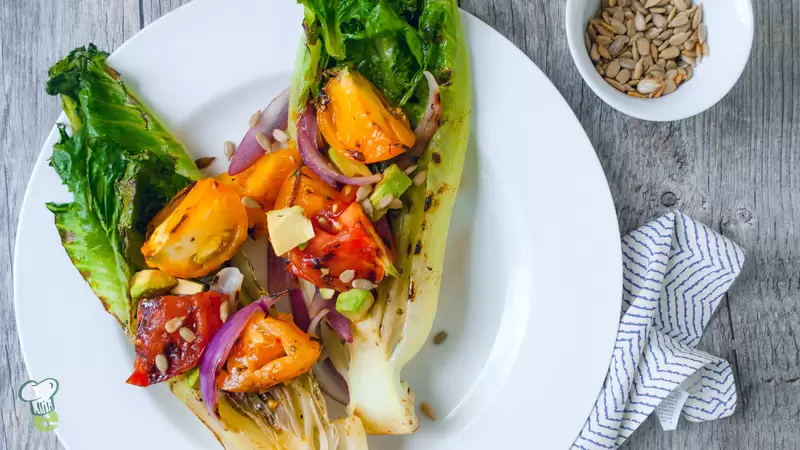
The grill does the seasoning here, so you barely need salt at all. Romaine hearts, red and yellow tomatoes and onions go on cut side down until the sugars caramelize, then get olive oil, balsamic, creamy avocado and sunflower seeds. It's smoky, fresh, and just 86mg of sodium per serving.

If you're working to a strict sodium limit, start right here. Garlic and dried oregano stand in for salt completely: squash, zucchini and onion soften in the pan first, then tomato wedges go in at the end so they keep their shape. Nothing salty touches it, leaving you just 6mg per serving.
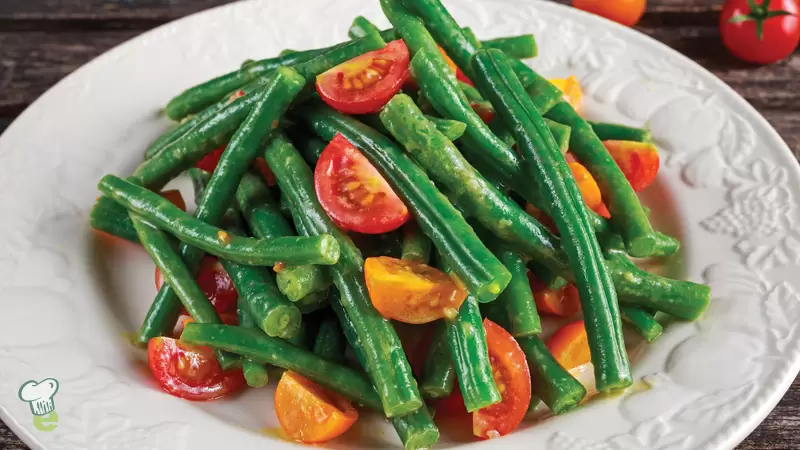
A splash of dry white wine replaces the salt entirely in this one. It reduces down with plum tomatoes, shallot and garlic into something closer to a light sauce than a dressing, then gets finished with fresh basil. It's tender, bright, and the lowest on this list, giving you only 5mg of sodium.
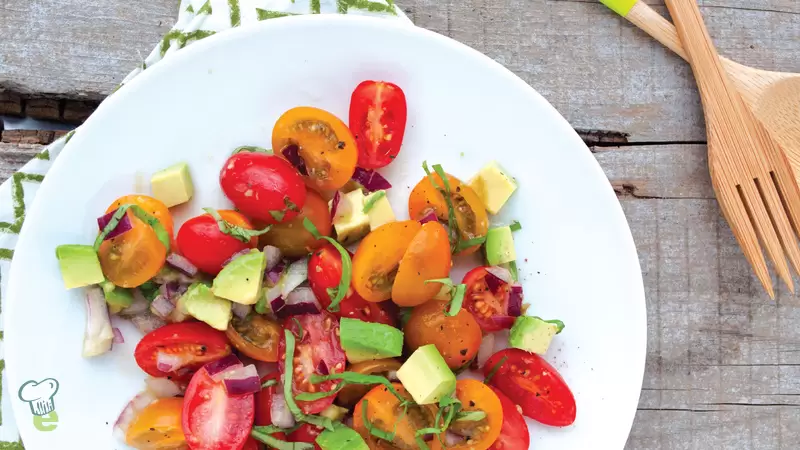
Bottled vinaigrette is where the sodium hides in most tomato salads. Here the dressing is one clove of garlic and a spoonful of white balsamic, and that's the whole of it. Cherry and yellow tomatoes, red onion, basil and buttery avocado bring you 6g of fiber and just 6mg of sodium.
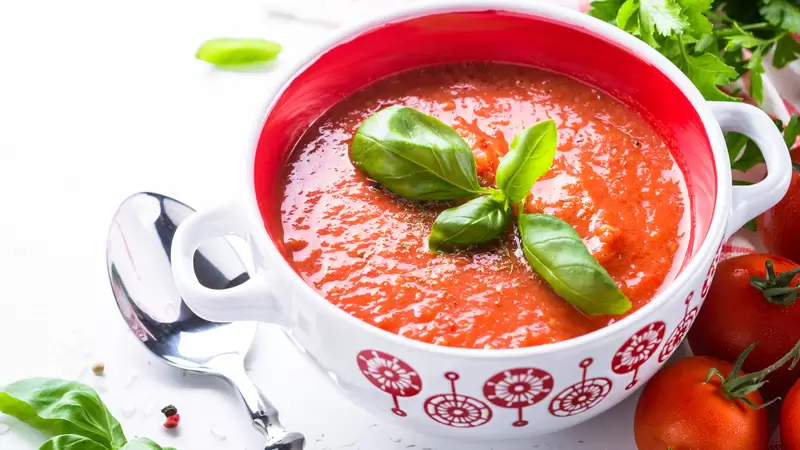
Canned tomato soup is probably what sent you looking for a recipe in the first place. This version builds its body from vegetables rather than salt, with onion, carrot, celery and a whole head of fennel cooked down with fresh Roma tomatoes. Almond milk makes it creamy, and a bowl comes to just 90mg.
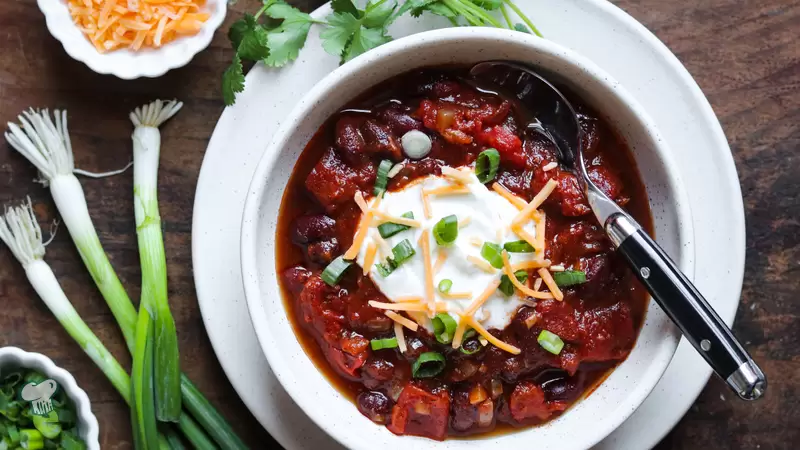
When you want a full meal instead of another side dish, this vegan chili delivers. No-salt-added diced tomatoes and kidney beans do the heavy lifting, seasoned with chili powder, cumin and oregano. Top it with nonfat Greek yogurt if you like. Each bowl brings 15g of fiber, 15g of protein and only 93mg of sodium.
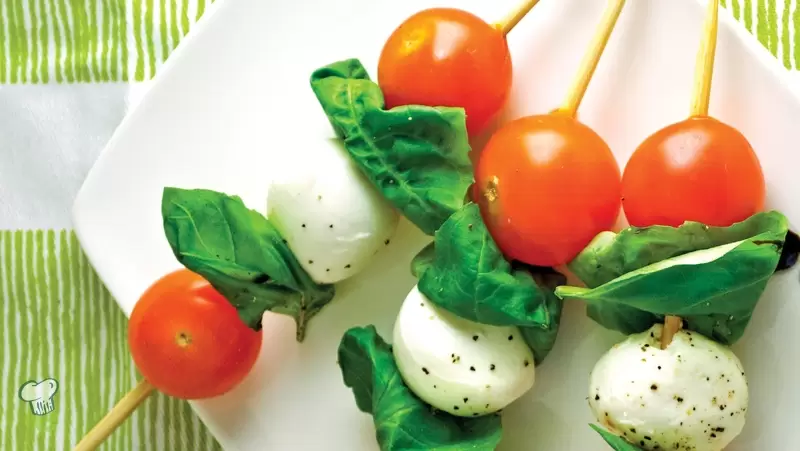
Party food usually means salty cheese and crackers. These skip both! Cherry tomatoes, fresh basil and small mozzarella balls thread onto twelve skewers, then get a balsamic glaze reduced on the stove. Fresh mozzarella is far lower in sodium than most cheeses, so each skewer you pick up is just 28mg.
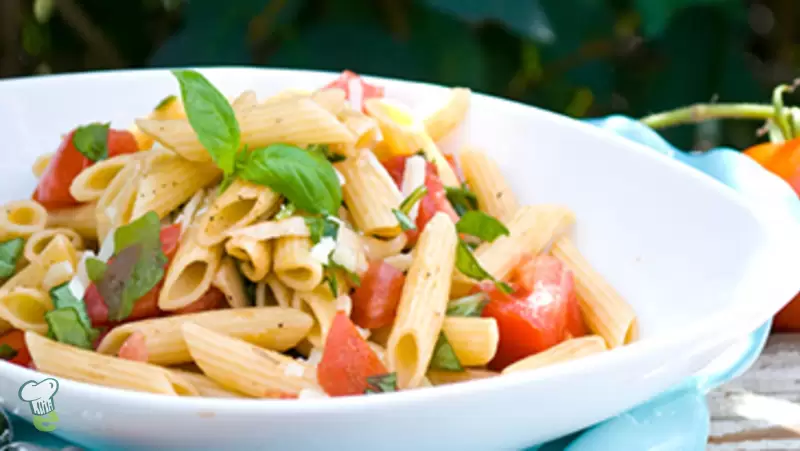
Deli counter pasta salad runs heavy on mayonnaise and salt. This one drops both, dressing whole grain penne with olive oil, balsamic, garlic and Italian seasoning instead. A pound of fresh tomatoes, peppery arugula and plenty of basil go through it, with shaved Parmesan on top. You still finish with only 131mg of sodium per serving.
Yes! A fresh tomato has only a trace of sodium naturally. Nearly all the sodium in a tomato dish gets added later, from canned or jarred products, cheese, or salt at the stove.
Garlic, fresh basil, oregano and balsamic vinegar do most of the lifting in these recipes. Acid and a touch of sweetness cover much of what salt would otherwise do, which is why balsamic, maple syrup or a pinch of brown sugar turn up in both the sauce and the soup.
The sautéed green beans with tomatoes, at only 5mg per serving. The squash and tomato salad and the tomato, basil and avocado salad sit just behind at 6mg each.
You can, as long as the can says no salt added. The chili uses no-salt-added diced tomatoes and beans, and the spaghetti sauce uses no-salt-added tomato paste, and both stay under 100mg per serving. Regular canned tomatoes carry added salt, so check the nutrition panel every time.
Looking for more ways to cut back on salt without losing flavor? Browse our full collection of low sodium recipes for more dietitian-approved meals, or try these heart healthy recipes to support your blood pressure goals.
(Instant Download)
Sign Up for instant access to your free cookbook plus our most popular quick and healthy recipes!