FREEHealthy 30-Minute Meals
(Instant Download)
Sign Up for instant access to your free cookbook plus our most popular quick and healthy recipes!

For many people in the Seventh Day Adventist community, food is about more than just filling a plate; it is about honoring good health and living a long, vibrant life. You might have heard that the Seventh Day Adventist diet is followed by some of the longest-living people on the planet. In fact, Loma Linda, California, home of a large Adventist population, is the only Blue Zone diet region in the United States. People there live healthier and longer than the average American. A big part of Blue Zone "secret sauce" is the way they eat.
If you want to know more about the foods in Seventh Day Adventist diet recipes, you are in the right place. Health eCooks dietitians and chefs have been developing and testing a library of healthy recipes for Adventist hospitals for more than 25 years. Our dietitians created this healthy recipe guide to explain why the Adventist diet is special, which foods to keep off the Adventist menu, and how to make plant-based meals taste amazing.
The Adventist health message focuses on "clean living." This means cooking and eating heart healthy foods that come naturally from the earth and avoiding additives that might hurt the body.
When your diet focuses on whole grains, fruits, nuts, and vegetables, you give your heart and brain clean fuel. Eating more vegetarian recipes and eating plenty of fiber helps to naturally reduce blood pressure and lower cholesterol. Because the Adventist diet is naturally high in nutrients, many followers find they have more energy throughout the day. It is not a restrictive "diet" in the way people usually think of dieting; it is a lifelong eating plan for a healthy heart that prioritizes whole, unprocessed foods and avoids hidden chemicals and heavy fats.
According to Health eCooks registered dietitian Erin McNamara, Adventists attribute their good health to avoiding foods such as pork, shell fish, caffeine and alcohol, and strong spices. Adventists don’t eat these foods because they don’t comply with the organization’s "clean" eating principles that keep the mind and body in harmony.
Many people following an Adventist diet choose to be vegetarian because it aligns with the "Eden Diet," a concept based on biblical beliefs that the first and best foods for humans were plant-based such as fruits, grains, and nuts.
Science backs the benefits of plant-based diets. Plant-based recipes are packed with antioxidants that fight off sickness and help your skin glow. When you eat a meat-free meal, you can get plenty of protein from beans, lentils, and nuts without the heavy saturated fats found in animal products. It is also a very kind way to eat, as it respects the life of animals and is better for the environment. Whether you prefer vegan recipes full time, or occasionally follow a vegetarian diet, eating plant-based meals is a win-win for good health.
Here are 20 of our best plant-based meals from Health eCooks that fit perfectly into a healthy Seventh Day Adventist lifestyle. These are recipes Health eCooks creates for Adventists hospitals and Adventist University. These recipes focus on whole ingredients, mild flavors, and heart-healthy nutrients.

Lentils are easy to digest and very high in iron, making them perfect for those following a vegetarian path. Toss in a handful of spinach to add a boost of leafy green nutrients to this Adventist recipe.

Mushrooms provide a savory "umami" flavor that makes this 7th Day Adventist dinner idea feel hearty without using meat. Using low-fat broth keeps the calorie count down while maintaining a creamy texture.
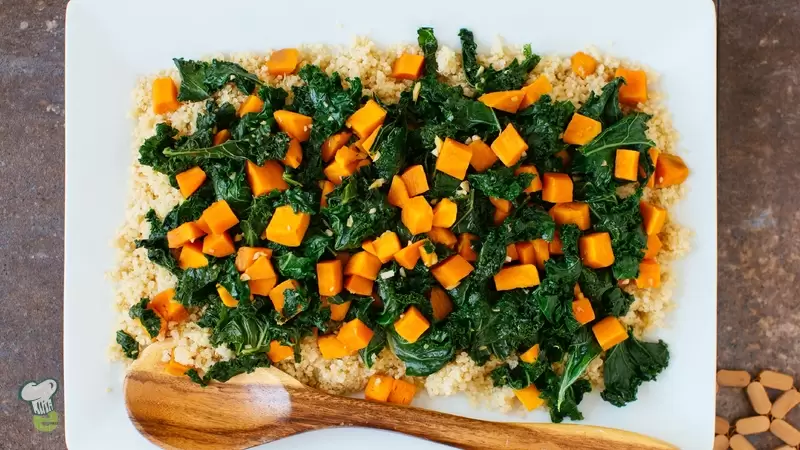
Quinoa is a unique plant that contains all nine essential amino acids. This salad is a nutritional powerhouse that is gentle on the stomach.

This classic French Adventist side dish is a celebration of popular garden vegetables such as eggplant, zucchini, and tomatoes. It is naturally low in fat and free of any "unclean" ingredients.

Roasting cauliflower gives it a great texture that can replace meat in many meals. It is a simple way to enjoy a "clean" vegetable-centered main course.

Using low-fat ricotta cheese makes this a healthy Adventist pasta recipe. It provides protein and calcium while avoiding heavy fats and spices.

This vibrant, plant-based dish features a base of crisp-tender cauliflower and red bell peppers, seasoned with fresh aromatics like ginger, garlic, and lime. Add tofu for more plant protein; it absorbs the flavors of mild seasonings like ginger and soy sauce.

This 7th Day Adventist recipe uses whole vegetables and nuts, which are staples of the original “Eden Diet.” It provides healthy fats and fiber without heavy spices or gut irritants.

Sweet potatoes are a nutrient powerhouse and baking them instead of frying keeps the fat content low. They provide a natural sweetness that satisfies cravings without added sugar.

Barley is an ancient grain that is very filling and heart-healthy. This vegetarian Adventist ragout recipe is packed with mild vegetables, making it easy to digest while providing plenty of vitamins.
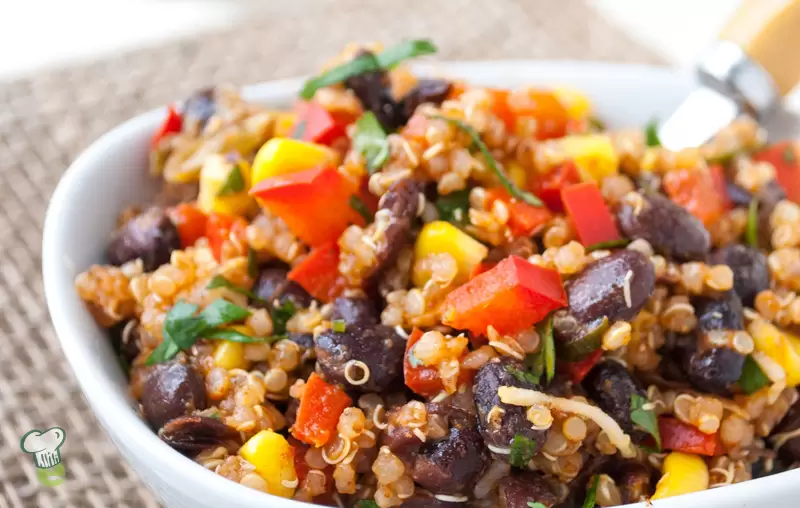
Here’s a high protein salad recipe for a Seventh Day Adventist diet. It provides a complete protein source by combining legumes and grains with fresh lime and cilantro for flavor instead of hot peppers or strong mustard.

By using low-fat dairy options, this Adventist dish is a healthy way to get calcium and fiber. It is a comforting meal that stays within the "clean" eating guidelines.

Mashed chickpeas are a wonderful, fiber-rich alternative to meat-based fillings. It is a simple, plant-based Adventist lunch idea that is easy to prepare and very satisfying.

Roasting the tomatoes brings out a natural sweetness, so Adventists can avoid harsh spices. It is a soothing, low-fat meal that pairs perfectly with whole-grain crackers.

Fruit is a core part of the Adventist diet, providing natural sugars and hydration. The mint adds a refreshing flavor without using any caffeine or stimulants.

Do Adventists eat eggs? Yes! This recipe uses eggs and plenty of fresh garden vegetables to make a high-protein breakfast.

Buttery edamame beans combined with fresh cucumbers and olives make for a light, heart-healthy Adventist meal. It relies on lemon and mild herbs rather than hot spices for its bright taste.

Hummus is made from chickpeas, which are a great plant-based protein source. This wrap is an excellent way to eat more raw vegetables in a portable, easy way.

This recipe focuses on whole, plant-based ingredients like butternut squash and arborio rice, which align with the "Eden Diet" of fruits and grains. It also uses heart-healthy vegetable broth and avoids the strong spices and heavy fats that are excluded from the Adventist lifestyle.
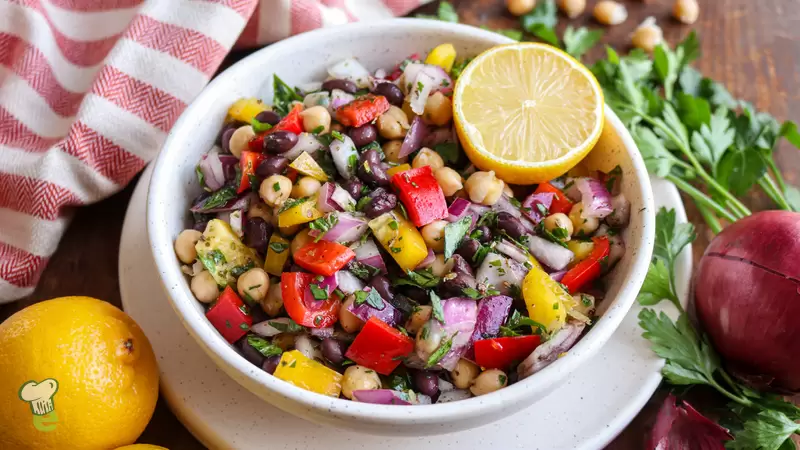
This salad is an ideal Adventist recipe because it centers on fiber-rich legumes and fresh vegetables, which are cornerstones of a Blue Zone meal plan.
By choosing these Adventist diet recipes, you are making a choice to value your health and your future. You may find that you sleep better, think more clearly, and feel more connected to the world around you.
Remember, the goal is progress, not perfection. Enjoy the crunch of a fresh apple, the warmth of a bowl of lentil soup, and the joy of sharing easy, healthy meatless dinner recipes with the people you love. Good health starts with healthy recipes.

(Instant Download)
Sign Up for instant access to your free cookbook plus our most popular quick and healthy recipes!