FREEHealthy 30-Minute Meals
(Instant Download)
Sign Up for instant access to your free cookbook plus our most popular quick and healthy recipes!

Have you ever pulled a pan of vegetables out of the oven only to find them pale, soft, and a little soggy? It happens to almost everyone, and the fix is usually simpler than you'd think. Knowing what temperature to roast vegetables, how long to leave them in, and how to give them enough room on the pan makes all the difference between limp veggies and golden, caramelized ones you'll actually want to eat.
Roasting is one of the easiest ways to make vegetables taste great without much effort. The dry heat of the oven draws out their natural sugars, so Brussels sprouts turn nutty, carrots get sweeter, and broccoli picks up crispy, browned edges. It's also a simple way to follow the heart healthy diet guidelines, because a little olive oil and a few herbs are all most vegetables need.
In this guide, you'll learn how to roast vegetables in the oven, including the best temperature for each type of veggie, roasting times at 400° and 425°, how to roast frozen vegetables, and how to season them with less salt. Then you'll find 18 of our favorite roasted vegetable recipes, all tested in the Health eCooks Test Kitchen and approved by our registered dietitians.
For most vegetables, the sweet spot is between 400°F and 425°F. That's hot enough to brown the outside before the inside turns mushy. Lower temperatures tend to steam vegetables in their own moisture, and much higher temperatures can burn the edges before the centers are tender.
The best temperature does shift a little depending on the vegetable, though. Here's a simple guide you can use for almost anything in your crisper drawer:
If you're roasting a mix of vegetables on one pan, 400°F is a safe middle ground. It's the temperature we use for our Easy Oven Roasted Vegetables, which combines carrots, potatoes, parsnips, sweet potatoes, and Brussels sprouts.
Roasting time depends on what you're cooking and how big you cut it. Smaller pieces cook faster, and pieces that are all about the same size cook evenly. These times are a good starting point for vegetables cut into 1-inch pieces and roasted at 400°F:
At 425°F, you can usually take about 5 to 10 minutes off each of those times. Either way, the best test is your eyes and a fork. Vegetables are done when they're tender all the way through and have golden brown spots on the edges.
Almost any vegetable can be roasted, but some really shine in the oven. Sturdy, low-moisture vegetables brown beautifully and hold their shape, while very watery vegetables like cucumbers and lettuce don't roast well at all.
These are some of the best vegetables to roast:
Fall and winter are a great time to roast vegetables, since many of the best ones are in season. Roasted fall vegetables like butternut squash, sweet potatoes, and Brussels sprouts make easy side dishes for holiday dinners, and roasted winter vegetables like beets, parsnips, and carrots are hearty enough to stand up to cold-weather mains.
A few small habits make a big difference in how your roasted vegetables turn out. If yours have been coming out soft or soggy, one of these tips will probably fix it:
A light coating of oil helps too. You don't need much, usually about 1 tablespoon of olive oil per pound of vegetables, just enough to coat each piece with a thin sheen.
Frozen vegetables are budget-friendly, they're already washed and chopped, and they can absolutely be roasted. The key is to skip the thawing step. Thawed frozen vegetables release a lot of water, which makes them mushy.
Follow these steps for the best results:
Frozen broccoli, cauliflower, Brussels sprouts, green beans, and butternut squash cubes all roast well. They may not get quite as crispy as fresh, but they'll still have plenty of browned, roasted flavor.
Olive oil, black pepper, and a pinch of salt are all roasted vegetables really need. But the right seasoning for roasted vegetables can take them from simple to special, and herbs and spices add flavor without adding sodium.
Here are some pairings we love:
A salt-free blend like our Homemade Mrs. Dash Seasoning Blend works on just about any vegetable, and our Homemade Ranch Seasoning is great on roasted potatoes. For even more ideas, check out our guide to spices low in sodium.
One last tip: Add a hit of freshness right before serving. A squeeze of lemon juice, a splash of balsamic vinegar, or a handful of fresh parsley or basil brightens up roasted vegetables and makes them taste less like they need salt.
Now that you know how to roast vegetables, it's time to put it into practice. Each dish was developed by our team of chefs and dietitians to balance taste and nutrition. These first 6 recipes are the everyday roasted vegetable side dishes you'll come back to again and again.

If you only make one recipe from this list, start here. Carrots, Brussels sprouts, red potatoes, parsnips, sweet potatoes, and onion wedges are tossed with olive oil, rosemary, thyme, and basil, then roasted together on one big sheet pan until they're golden and tender. It makes 12 servings, so it's perfect for a holiday table or a week of easy leftovers.
Per serving: 153 calories, 1 g saturated fat, 76 mg sodium, 4 g fiber

High heat is the secret to perfectly crisp-tender broccoli, and this recipe roasts it at 450°F until the edges are browned and crunchy. Fresh garlic and a pinch of red pepper flakes add plenty of flavor, and toasted pine nuts sprinkled on top add a nice crunch. Each serving also has 5 grams of protein.
Per serving: 110 calories, 0 g saturated fat, 118 mg sodium, 4 g fiber

Even people who say they don't like Brussels sprouts tend to change their minds after trying them roasted. Red onion wedges go into the oven first to soften and sweeten, then the halved sprouts join them with chopped pecans (walnuts work, too). The result is tender, caramelized, and never bitter.
Per serving: 132 calories, 1 g saturated fat, 60 mg sodium, 4 g fiber

Here's a smart make-ahead trick. You toss the cauliflower and Brussels sprouts with olive oil, garlic, and rosemary the night before, so the flavors soak in while they sit in the fridge. The next day, they roast at 450°F until crisp and golden, and a sprinkle of crumbled turkey bacon finishes them off.
Per serving: 83 calories, 1 g saturated fat, 233 mg sodium, 3 g fiber

Sometimes simple is best. These carrots only need olive oil, a little sea salt, pepper, and fresh thyme (or parsley) to taste delicious. They roast at a gentler 350°F and get turned a few times along the way, so they come out evenly browned and naturally sweet. At just 53 calories per serving, they're one of the lightest sides on the list.
Per serving: 53 calories, 0 g saturated fat, 148 mg sodium, 3 g fiber
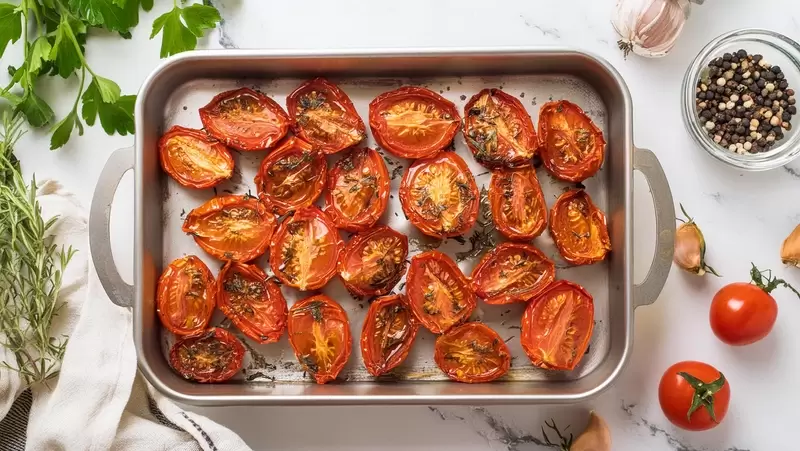
Slow roasting turns ordinary plum tomatoes into something rich and almost jammy. The halves are drizzled with olive oil, seasoned with herbes de Provence and a tiny bit of sugar, and roasted at 325°F until they shrivel and their flavor concentrates. Serve them as a side, pile them onto toast, or toss them into pasta and salads. They also freeze beautifully, and you can learn how in our post on roasted tomatoes you can freeze.
Per serving: 30 calories, 0 g saturated fat, 200 mg sodium, 1 g fiber
Potatoes and squash are some of the most satisfying vegetables to roast. They get crispy on the outside and soft and fluffy inside, and they're hearty enough to hold their own next to any main dish. If you want even more ways to cook spuds, our guide on how to cook potatoes in the oven covers baking, roasting, and more.
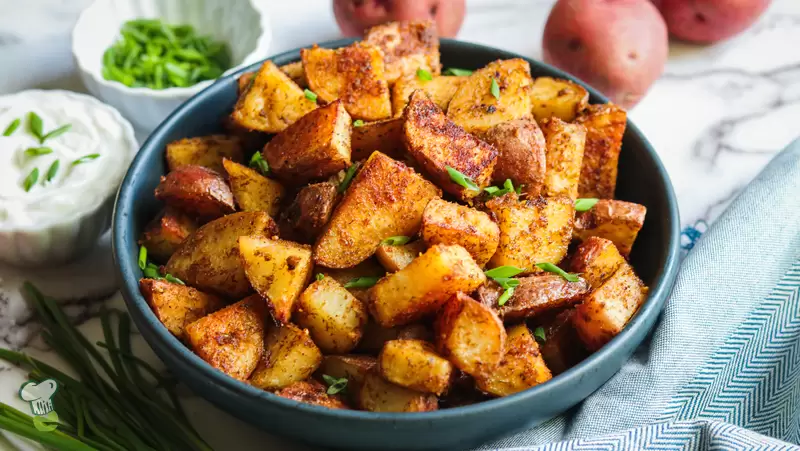
These potatoes get all the zesty flavor of ranch from a homemade seasoning made with paprika, dill, onion powder, garlic powder, and a little cayenne. Ground pistachios and nutritional yeast give it a savory, almost cheesy taste. Small red potatoes roast at 450°F until golden and crispy, and you can serve them with a dollop of nonfat Greek yogurt for dipping.
Per serving: 194 calories, 1 g saturated fat, 64 mg sodium, 4 g fiber

Hasselback potatoes look fancy, but they're easy to make. Place a chopstick on either side of a Yukon gold potato, then slice down until the knife hits the chopsticks, so you never cut all the way through. The thin slices fan open in the oven and get crispy on the edges, with garlic, olive oil, and parsley tucked between them. Each serving has only 20 milligrams of sodium.
Per serving: 226 calories, 1 g saturated fat, 20 mg sodium, 4 g fiber

This colorful side is as pretty as it is tasty. Sweet potatoes and beets roast on separate pans because the beets need extra time to get fork-tender. Once they're done, they're tossed with sweet caramelized onion and a sprinkle of fresh thyme. It's a great example of roasted winter vegetables that look festive on a holiday table.
Per serving: 78 calories, 0 g saturated fat, 71 mg sodium, 2 g fiber

Skip the fryer and still get crispy fries. Sweet potatoes are cut into sticks with the skins on, tossed with olive oil and black pepper, and baked at 450°F on a cooling rack set over a baking sheet so they crisp up on every side. A light sprinkle of Parmesan cheese adds a savory finish. (If you're watching your sodium, you can cut the salt in half.)
Per serving: 96 calories, 1 g saturated fat, 433 mg sodium, 2 g fiber
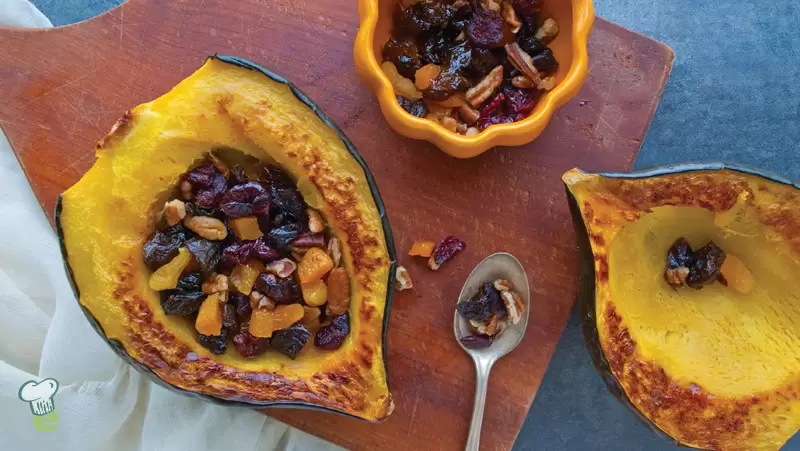
Acorn squash halves roast cut side down until tender, then get flipped and filled with a sweet mix of dried cranberries, dried plums, dried apricots, and pecans. It's a festive side for Thanksgiving or Christmas, and it has 6 grams of fiber per serving with almost no sodium.
Per serving: 255 calories, 0 g saturated fat, 12 mg sodium, 6 g fiber

Roasting a whole spaghetti squash is easier than you might think. Just pierce it all over with a knife and roast it at 400°F for about an hour, then scrape out the tender strands with a fork. Here, they're tossed with sautéed garlic, bell pepper, and jalapeño, plus cherry tomatoes, capers, black olives, reduced-fat feta, and fresh basil. It's hearty enough to serve as a light vegetarian main dish.
Per serving: 66 calories, 1 g saturated fat, 193 mg sodium, 1 g fiber
Roasted vegetables aren't just for dinner plates. These recipes have bigger, bolder flavors that make them great for parties, game day, or any night you want something a little more exciting on the side.

These little bites are always a hit at parties. Halved Brussels sprouts roast cut side down first, then each one is flipped and topped with a bit of crumbled blue cheese and turkey bacon before going back into the oven. They come out caramelized, tangy, and smoky, and each serving has only 56 calories.
Per serving: 56 calories, 0 g saturated fat, 140 mg sodium, 2 g fiber

This might be the most fun way to eat Brussels sprouts. They roast at 400°F until crispy outside and soft inside, then get drizzled with a creamy peanut sauce made with light coconut milk, fresh lime juice, and reduced-sodium soy sauce. Red bell pepper, scallions, bean sprouts, and chopped peanuts go on top. It's vegan, and each serving has 6 grams of fiber and 7 grams of protein.
Per serving: 225 calories, 2 g saturated fat, 285 mg sodium, 6 g fiber

Craving something crunchy to munch on? Cauliflower is pulled apart into popcorn-size pieces, tossed with olive oil, paprika, and nutritional yeast, and roasted at 425°F until golden. It's a fun, savory treat for movie night with just 66 calories per serving. (To lower the sodium, try using half the salt.)
Per serving: 66 calories, 1 g saturated fat, 343 mg sodium, 4 g fiber

All the spicy, tangy flavor of buffalo wings comes through in these cauliflower bites, without the deep fryer. The florets roast at 425°F until lightly golden, then get tossed in hot sauce and a little melted butter. Serve them with celery sticks and reduced-fat blue cheese or ranch dressing for dipping.
Per serving: 96 calories, 1 g saturated fat, 645 mg sodium, 3 g fiber

Keep extra napkins nearby for these sweet and savory bites. Cauliflower florets are coated in seasoned panko bread crumbs and roasted until crispy, then glazed with a sticky sauce made with gochujang, maple syrup, fresh ginger, and garlic. Toasted sesame seeds and green onions finish them off, and each serving has 9 grams of protein.
Per serving: 302 calories, 2 g saturated fat, 583 mg sodium, 3 g fiber

Think of these as a lighter take on eggplant Parmesan. The eggplant slices are pressed to remove extra moisture, then coated in panko and Parmesan and roasted at 475°F until crispy, with no frying needed. A topping of part-skim ricotta and diced tomatoes tossed with red wine vinegar adds a fresh finish. Each serving has 6 grams of protein.
Per serving: 112 calories, 2 g saturated fat, 516 mg sodium, 2 g fiber
Roasted vegetables are delicious on their own, but they're also a great starting point for full meals. These recipes use roasted veggies as the star:
For more ideas, our 5 Easy Heart-Healthy Sheet Pan Meals pair roasted vegetables with lean proteins, all on one pan.
Most vegetables take 20 to 45 minutes at 400°F. Quick-cooking vegetables like zucchini and asparagus are usually done in 15 to 20 minutes, broccoli and cauliflower take about 20 to 25 minutes, and dense root vegetables like potatoes can take 35 to 45 minutes. Cut pieces about the same size and check for tender centers and browned edges.
At 425°F, most vegetables roast in about 15 to 40 minutes, which is roughly 5 to 10 minutes faster than at 400°F. The higher heat is especially good for broccoli, cauliflower, and Brussels sprouts, since it gives them crispier edges.
You can, and it's a great option when you don't want to heat up the whole oven. Air fryer roasted vegetables usually cook at about 400°F in 10 to 15 minutes, as long as you keep them in a single layer and toss them halfway through. Try our Air Fryer Carrots or Air Fryer Garlic Broccoli to get started.
Vegetables with similar textures and cooking times roast well together. Root vegetables like carrots, potatoes, parsnips, and sweet potatoes make a great team, and so do broccoli, cauliflower, and Brussels sprouts. If you want to mix dense and tender vegetables on one pan, start the denser ones first and add the quicker-cooking ones partway through.
Roasted vegetables keep well in an airtight container in the fridge for 3 to 4 days, which makes them perfect for meal prep. Reheat them in a 400°F oven or the air fryer for a few minutes to bring back some of their crispiness, since the microwave can make them soft. You can also add them cold to salads, grain bowls, and wraps. For more ideas, see our vegetable meal prep ideas.
Roasted vegetables are a delicious way to eat more fiber, vitamins, and minerals, and they can easily fit into a heart healthy eating plan. Roasting them with a small amount of olive oil, which is a heart-healthy unsaturated fat, and seasoning them with herbs and spices keeps the saturated fat and sodium low. Our registered dietitians recommend filling half your plate with vegetables, and roasting is one of the easiest ways to make that happen. You can learn more in our heart healthy diet guidelines.
Now that you know how to roast vegetables, you can turn just about anything in your fridge into a delicious side dish. Here are a few more of our favorite vegetable guides and recipe collections:
(Instant Download)
Sign Up for instant access to your free cookbook plus our most popular quick and healthy recipes!